 FRP I-beamsGirders and cross-members for pedestrian bridges and frames.
Industry· Infrastructure
FRP Composite Profiles for Infrastructure
Fiber-reinforced polymer (FRP) profiles for bridge decks, pedestrian structures, handrails and utility infrastructure. They do not rust, so they avoid the corrosion cycle that wears out steel and reinforced concrete.
FIG. 1 Infrastructure
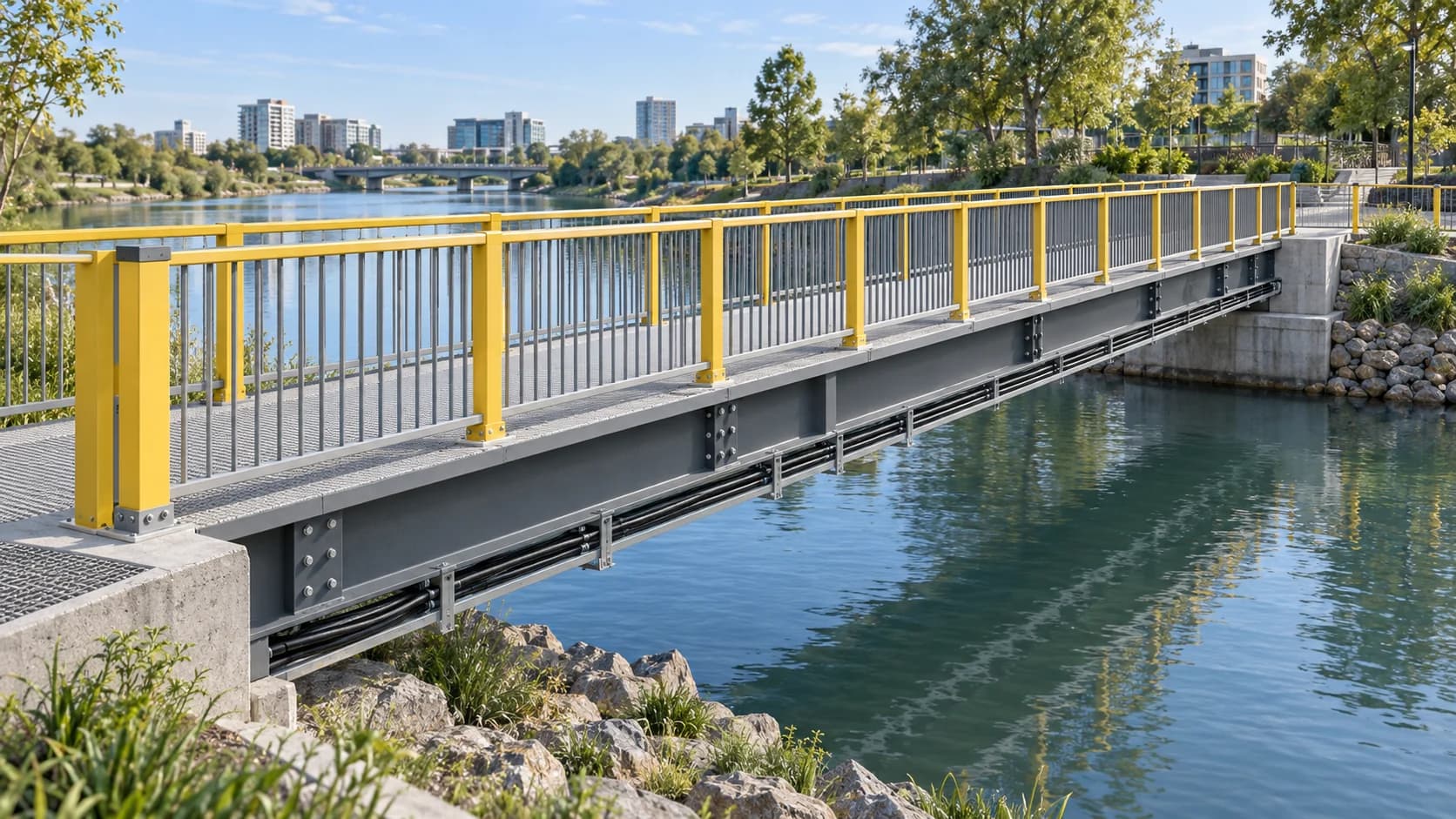
Where FRP is used, area by area
Infrastructure work runs to a design code and an owner's acceptance process. The checks below are the ones that usually decide whether FRP fits.
| Area | Conditions | Typical FRP parts | What to check |
|---|---|---|---|
| Pedestrian and cycle bridges | Steel girders need recoating; heavy spans need cranes | I-beams and girders, deck panels, grating, handrails | Deflection and vibration, connections and the owner's acceptance of FRP |
| Decks and walkways | De-icing salt and coastal air corrode steel and reinforcement | Closed-top deck panels, pultruded grating | Point and wheel loads, slip resistance, drainage and hold-down details |
| Handrails and guardrails | Galvanized rails corrode at welds and fixings | Handrail systems in square or round tube | Guard loads and deflection for the complete system, anchors and the governing code |
| Noise barriers | Metal panels corrode, and weight drives the foundations | FRP sound barrier wall panels with posts and closures | Wind loads, post spacing and the acoustic test data of the configured system |
| Concrete in chloride exposure | Steel reinforcement corrodes and spalls the concrete | GFRP straight bars, factory bends and mesh | Design code, bond, anchorage and an approved bar schedule |
Products 6 product families
- FRP I-beamsGirders and cross-members for pedestrian bridges and frames.
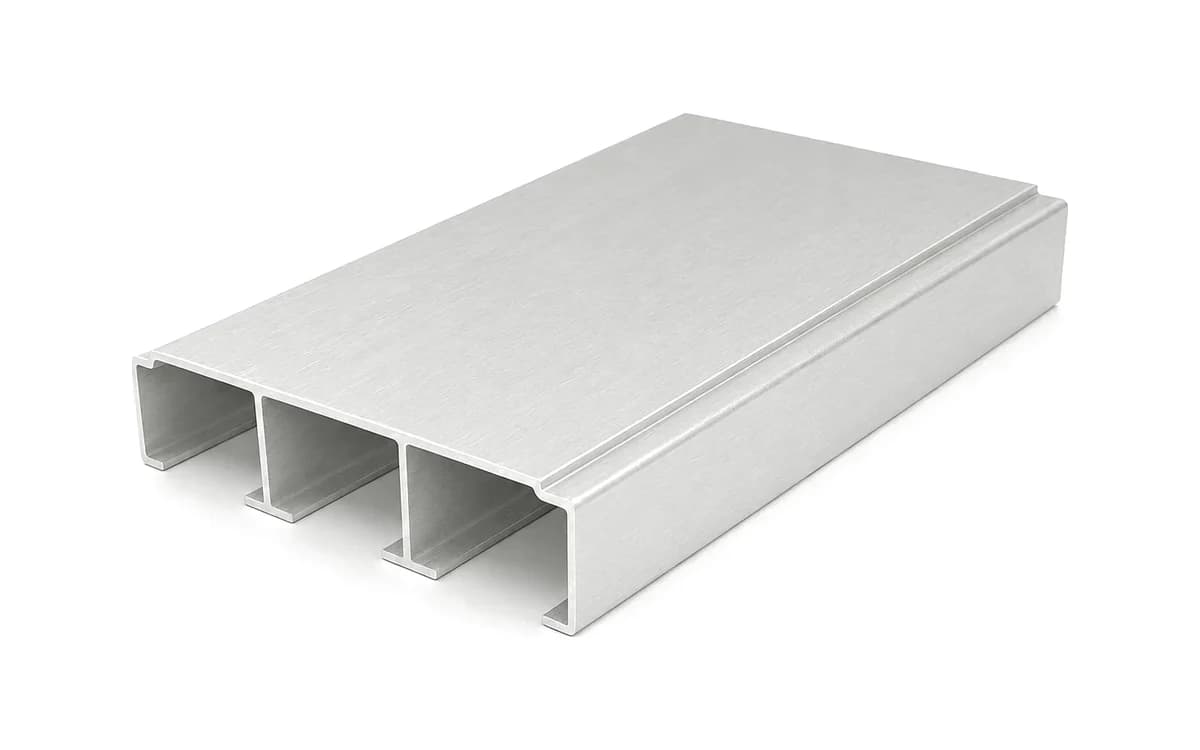 Structural deck panelsClosed-top planks for pedestrian bridges and light access decks.
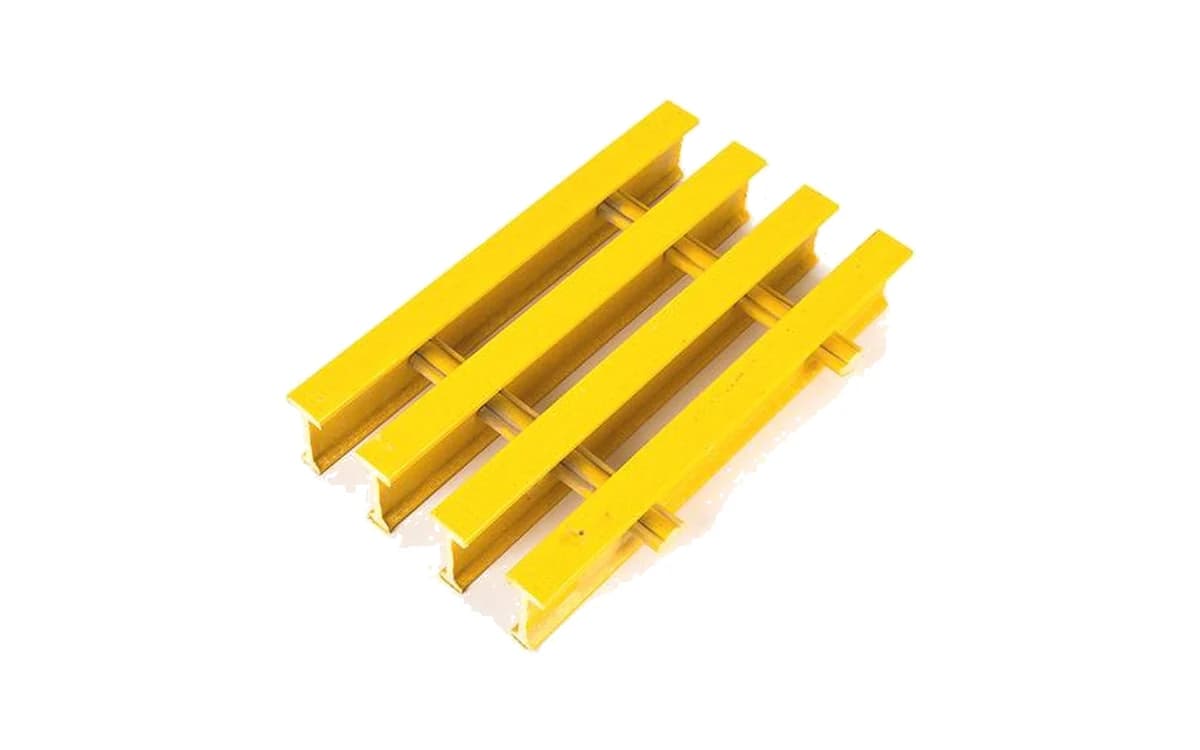 Pultruded gratingOpen walking surfaces with drainage.
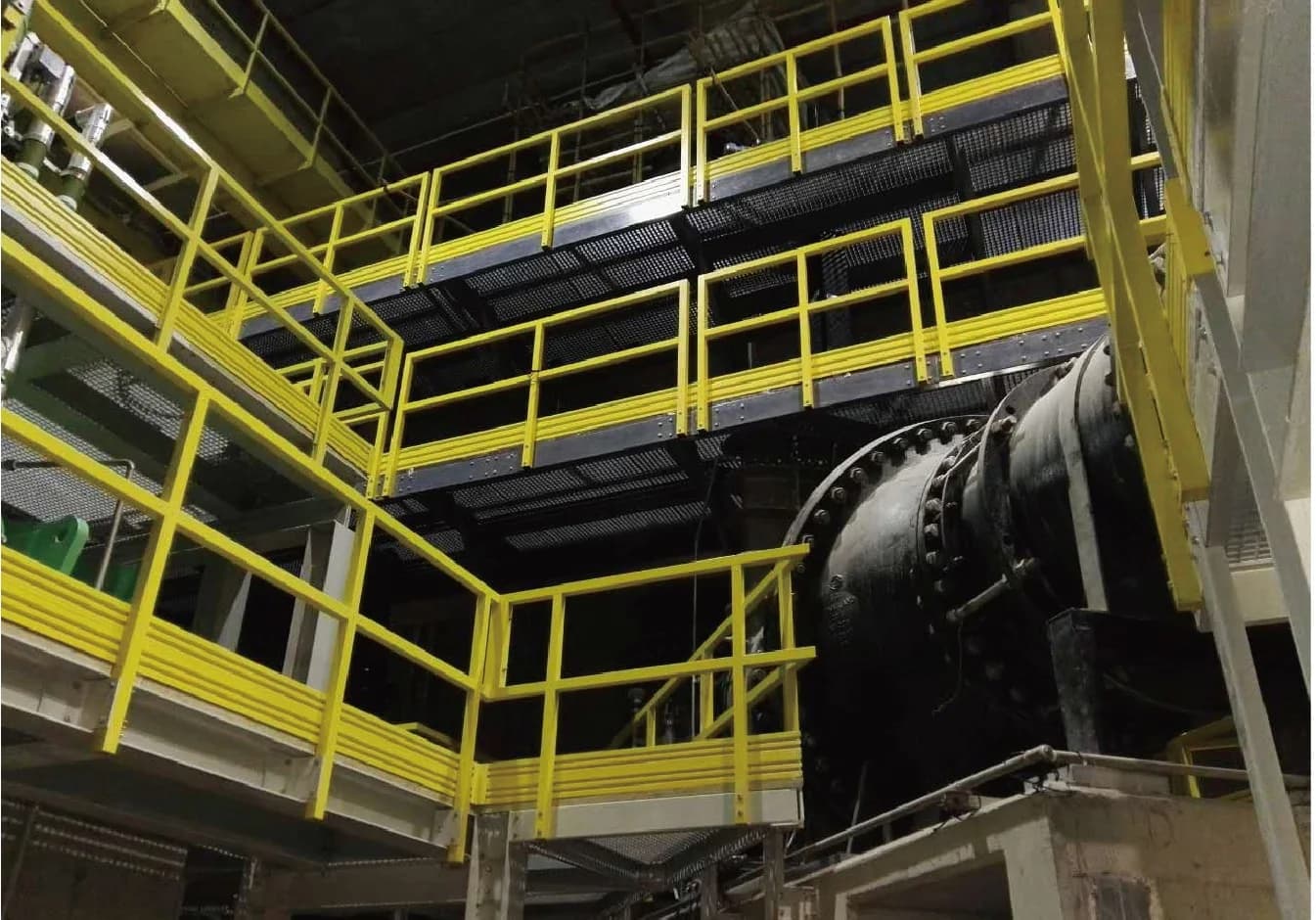 Reference photoHandrail systemsPosts, rails and fittings for walkways and bridges.
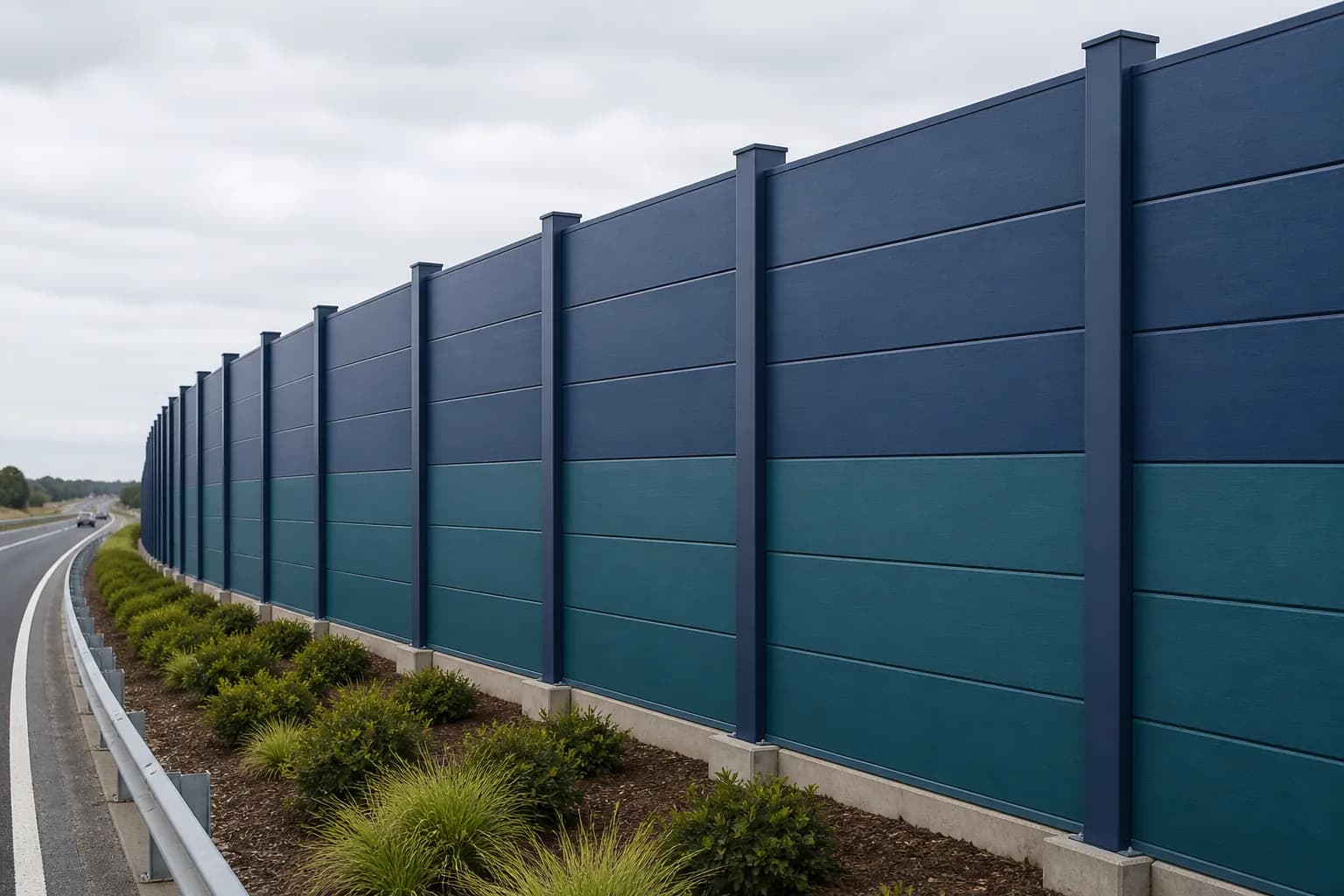 FRP sound barrier wallsReflective or absorptive panels for roads and railways.
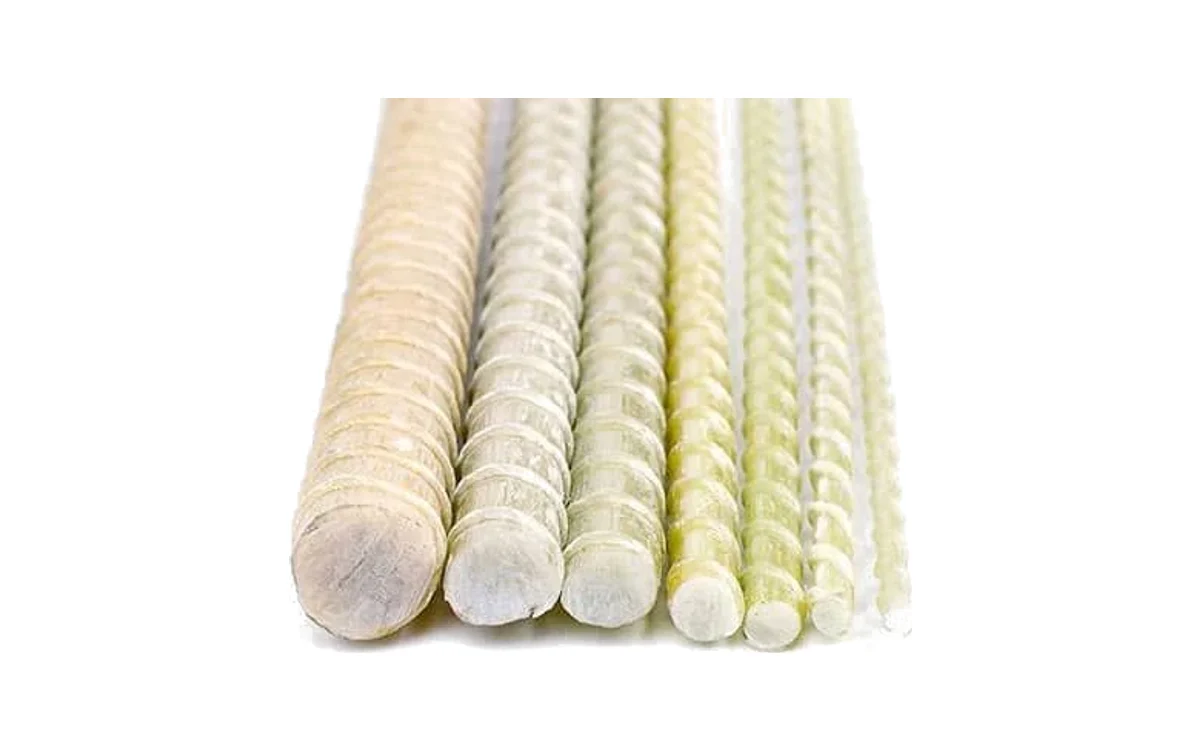 GFRP rebarBars, bends and mesh for concrete in chloride exposure.
Projects and applications
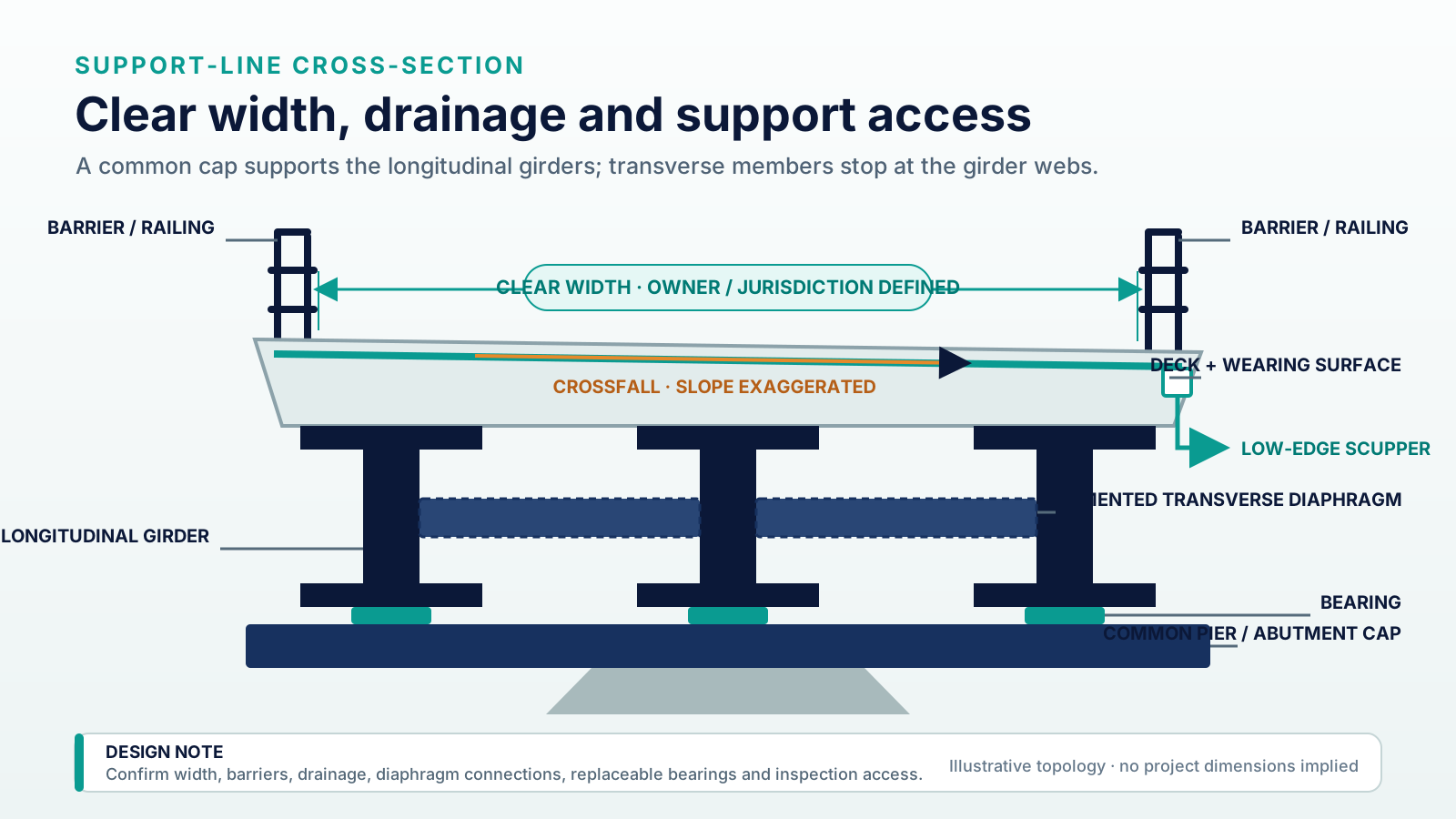 Design guideBeam bridge designLoad paths, width, vibration and FRP detailing for pedestrian and cycle bridges, with three source-backed case studies.
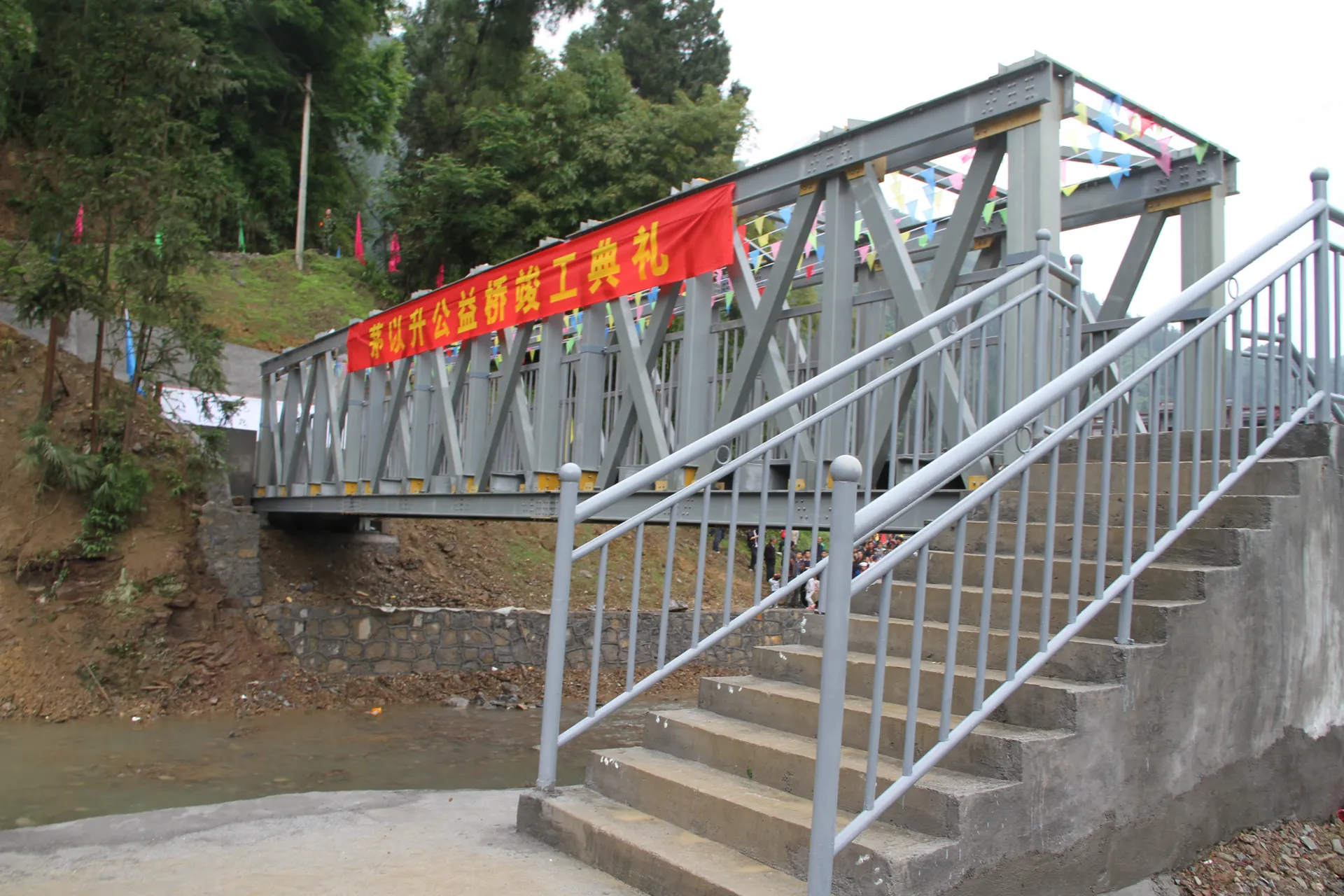 Application · Reference photoFRP pedestrian bridge superstructuresSpecify FRP pedestrian bridges: compare beam and truss systems, review vibration, joints, decking and installation, and prepare a component RFQ.
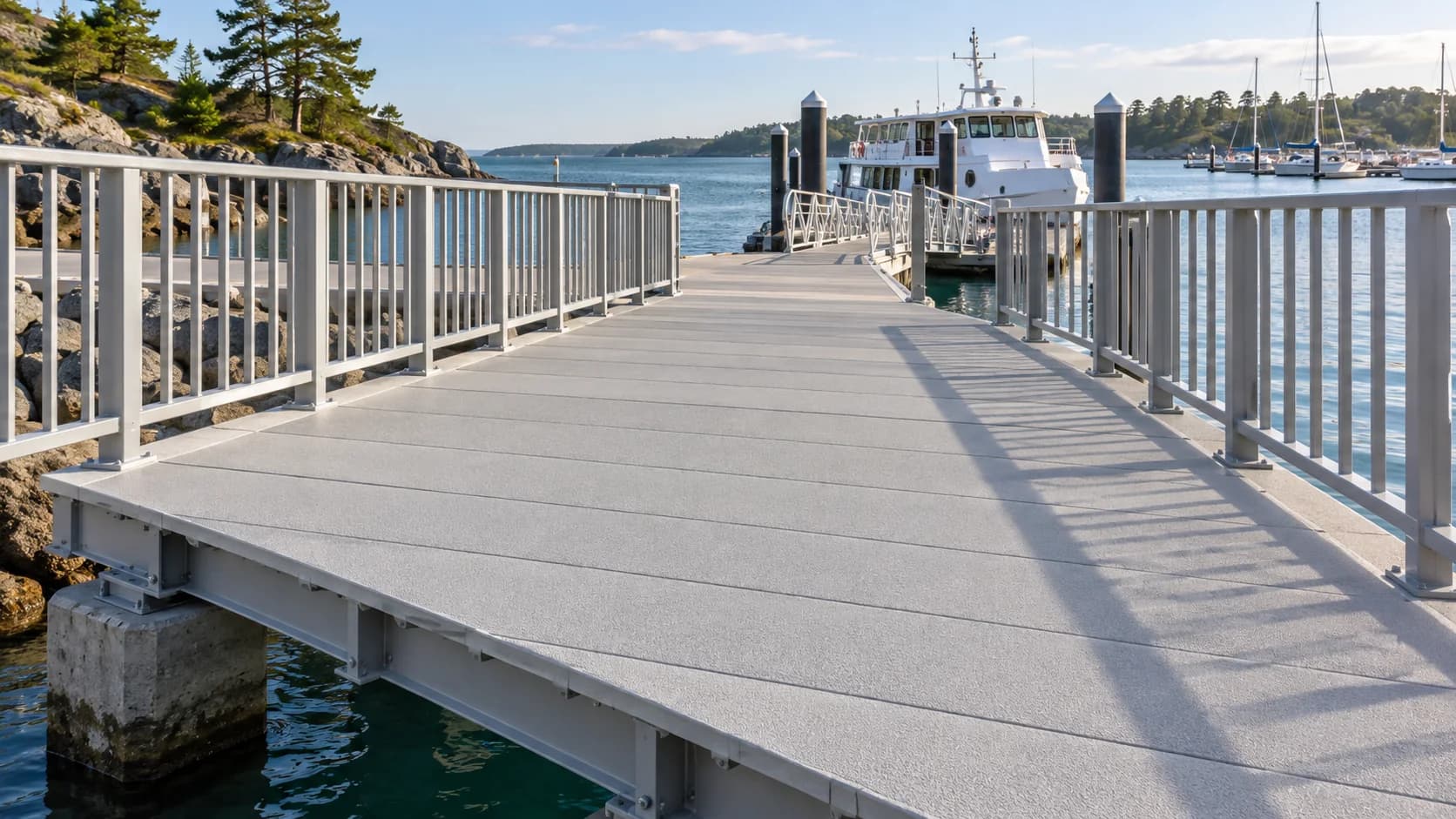 ApplicationFRP bridge deck panelsFRP bridge deck panels and pultruded structural decking for pedestrian bridges, access decks and lightweight bridge deck replacement.
Documents
- Data sheetPDF · 3 MB
FRP Profile Design Manual — DOC-PF-2026-EN Rev. B
- Issued by
- F1 Composite
- For
- Structural shapes
Revision B (October 2026), generated from the website's catalog, laminate and design-basis data: EN 13706 E23 laminate values beside the grade minimums, section properties of all 114 catalog sizes, allowable uniform loads to the published LRFD screening basis, application guides, durability stated by resin formulation, fabrication and inspection. A preliminary-sizing reference, not a project approval or batch certificate; it supersedes the withdrawn Rev. A.
- CertificatePDF · 142 KB
EPD & Carbon Footprint — Pultruded GFRP Composite Profiles
- Issued by
- CABR
- For
- Standard profiles
Environmental Product Declaration and product carbon footprint analysis for F1 Composite pultruded GFRP composite profile products, with 1 m² functional unit. Calculation reference CABR-CFC-01(02)-2025(20030)1, cradle-to-gate 33,934.34 g CO₂e/m², distribution 254.59 g, cradle-to-grave 36,099.32 g. Standards: GB/T 24025-2009 (ISO 14025-aligned Type III EPD), GB/T 32161-2015, ISO 14067, PAS 2050. Issued by China Academy of Building Research Co., Ltd. (CABR) Certification Center on April 30, 2025.
- CADOn request
Standard Profiles — CAD Library
- Issued by
- F1 Composite
- For
- Standard profiles
2D and 3D CAD models for all standard I-beam, channel, angle, and tube profiles.
- CatalogOn request
Product Catalog 2024
- Issued by
- F1 Composite
- For
- All products
Complete catalog of standard pultruded FRP profiles with dimensions, properties, and ordering information.
- CertificateOn request
ISO 9001:2015 Certificate
- For
- All products
Request the current quality-management certificate holder, validity and scope for your proposed supply.
- CertificateOn request
CE Declaration of Performance
- For
- All products
Request product-specific performance and applicable conformity documentation; confirm the intended use and assessment route.
Questions buyers ask
How long do FRP infrastructure components last?
Design life and maintenance depend on the material system, loads, exposure, connections and inspection plan, so no single service life applies to every product. State the design life your project needs and request the evidence for the offered laminate.
Can FRP handrails and guardrails meet code requirements?
The complete system is what gets checked: posts, top and middle rails, fittings, splices, base details, anchors and the supporting structure, against the governing guard loads and deflection criteria.
Why use FRP for a pedestrian bridge?
Light members can be lifted with smaller equipment and do not need anti-corrosion recoating. Because FRP is about a tenth as stiff as steel, the design usually has to control deflection and vibration; the beam bridge guide sets out the checks.
Quote FRP for infrastructure
Send what the parts do, the loads and exposure, the requirements that apply and the destination. We reply within one business day; a formal quotation follows once the specification and delivery are reviewed.
- Structure and spans
- Bridge, deck, walkway or barrier type, spans and supports, with drawings.
- Loads and design code
- Pedestrian, vehicle, wind and guard loads, and the code or owner's standard.
- Exposure and design life
- De-icing salt, coastal air, UV and the required design life.
- Quantities and site
- Members, panels or rails, lengths, delivery site and program.