 GRP I-beamFRP I-Beam / Wide FlangePrimary structural beams for walkways, platforms and short-span bridges.76×38 mm to 305×305 mmExplore
 Pultruded profiles
Pultruded FRP & GRP profiles
Find glass-reinforced plastic (GRP) profiles, also specified as fiberglass or glass-fiber FRP: standard sections and custom cross-sections. Review geometry, materials and supply requirements, then open the detailed specification page.
FIG. 1 Pultruded sections
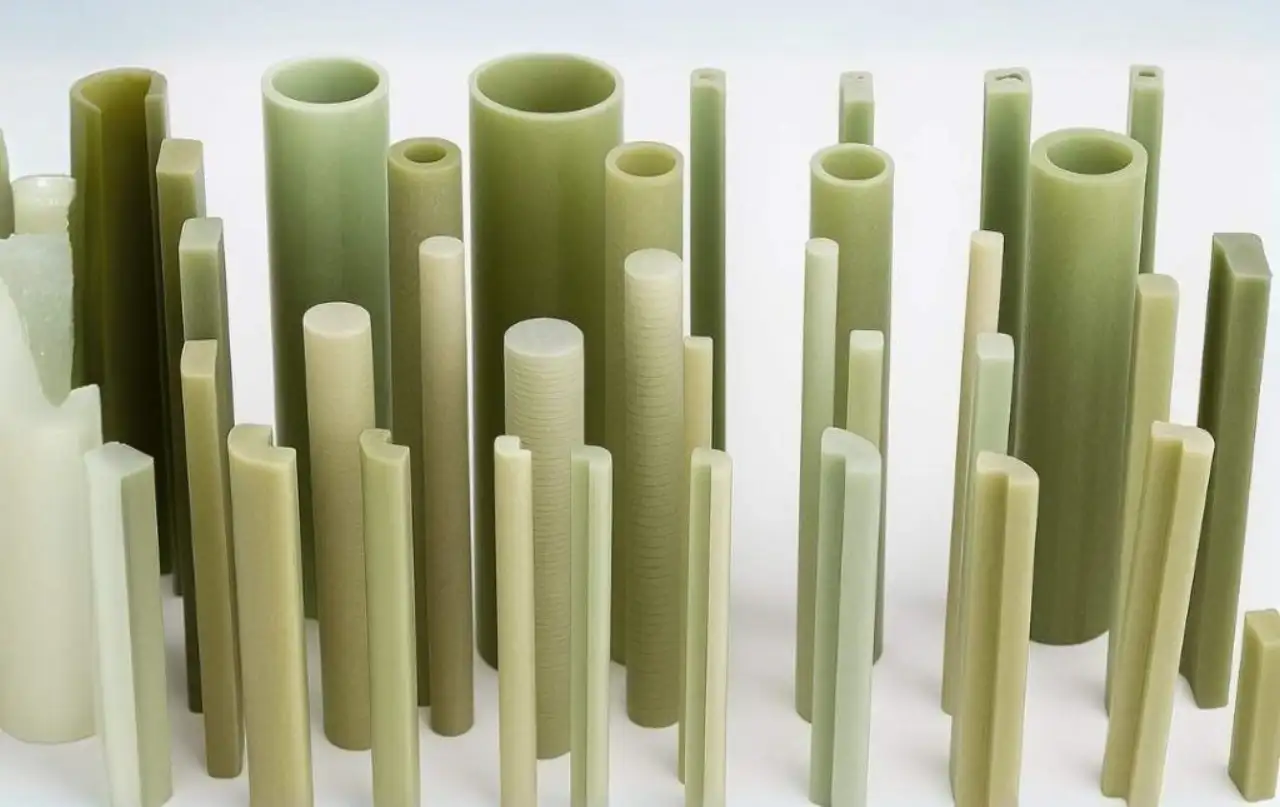
Standard sections and custom pultruded profiles 12 families
Each family is an F1 manufacturing or drawing-led quotation program. Open one for the published geometry, selection inputs and RFQ data; tooling status, material and production availability are confirmed where the product page says order release is required.
Match a standard section
Compare I-beams, channels, angles, tubes and solid sections by dimensions and published section properties.
View structural shapesDevelop a custom cross-section
Start with a drawing, quantity and service conditions to review tooling, material and sampling requirements.
Review custom profile requirementsStart with an application
Find profiles and systems for access, equipment, energy and other uses when the section is not yet defined.
Browse applications and products
- GRP I-beamFRP I-Beam / Wide FlangePrimary structural beams for walkways, platforms and short-span bridges.76×38 mm to 305×305 mmExplore
 GRP channelFRP Channel (C and U)Open-section framing for cable trays, stringers, modular skids and stair stringers.38×13 mm to 360×108 mmExplore
  GRP angleFRP Angle (L-profile)Equal and unequal-leg angles for stiffeners, bracing, ledger supports and frame connectors.25×25 mm to 152×152 mmExplore
  GRP box sectionFRP Square & Rectangular TubeTorsionally stiff sections for columns, trusses, frames, guardrails and solar posts.25×25 mm to 240×240 mmExplore
  GRP round tubeFRP Round TubeCircular hollow sections for handrails, antenna masts and insulating stand-offs.25 mm to 150 mm ODExplore
 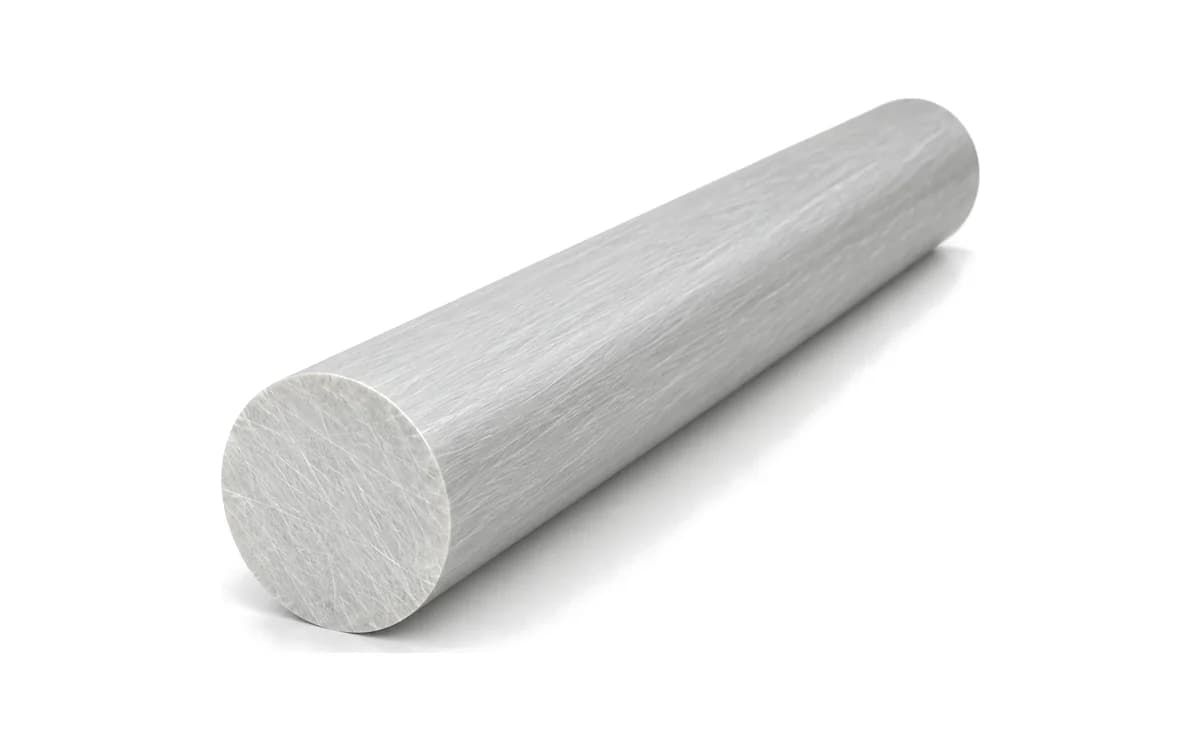 fiberglass rodFRP Solid RodSolid circular pultrusions for supports, spacers and fabricated rods. Reinforcing rebar has a separate specification.Ø6 mm to Ø50 mmExplore
  fiberglass flat barFRP Flat BarSolid rectangular sections for stiffeners, splice plates and wear strips.12×3 mm to 305×25 mmExplore
 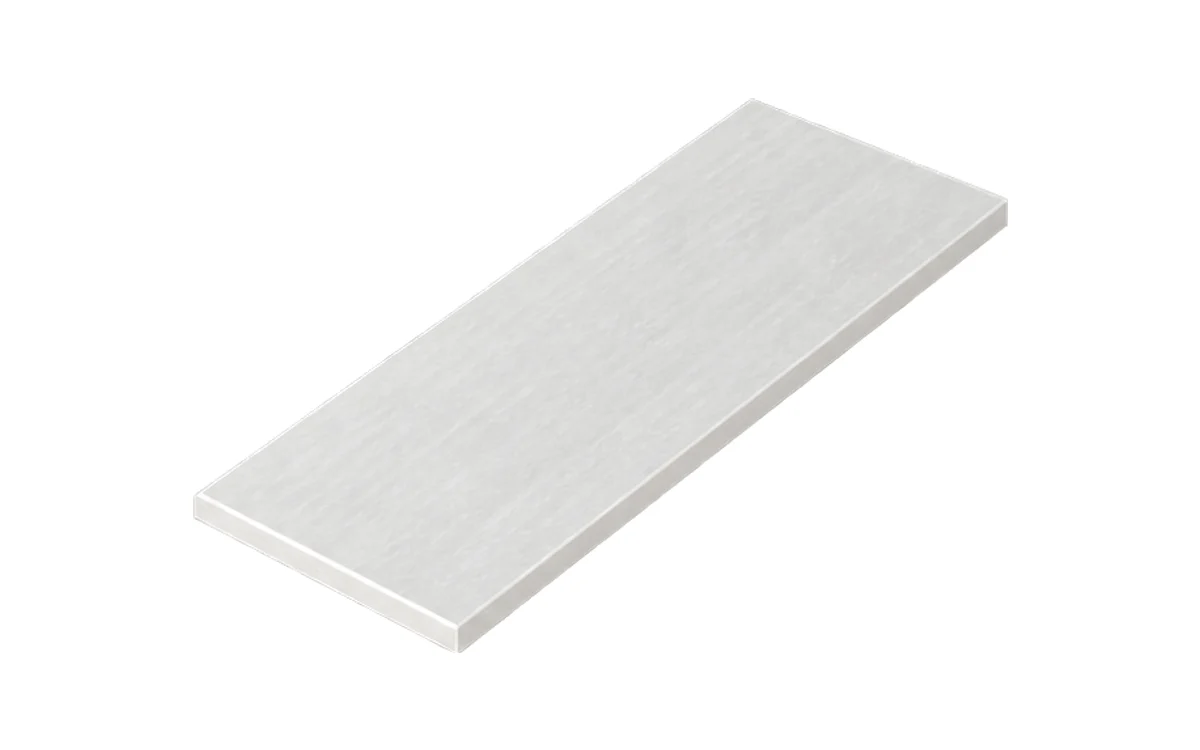 solid fiberglass sheetPultruded Fiberglass SheetsSolid flat stock for liners, covers, baffles and fabricated blanks, smooth, gritted or embossed.2–25 mm thick, cut to sizeExplore
  multi-cell FRP plateHollow & Multi-cell ProfilesDrawing-led hollow, multi-cell and edge-formed plate profiles with A/B/t1/t2 values and source IDs.19 records, 15 schematicsExplore
 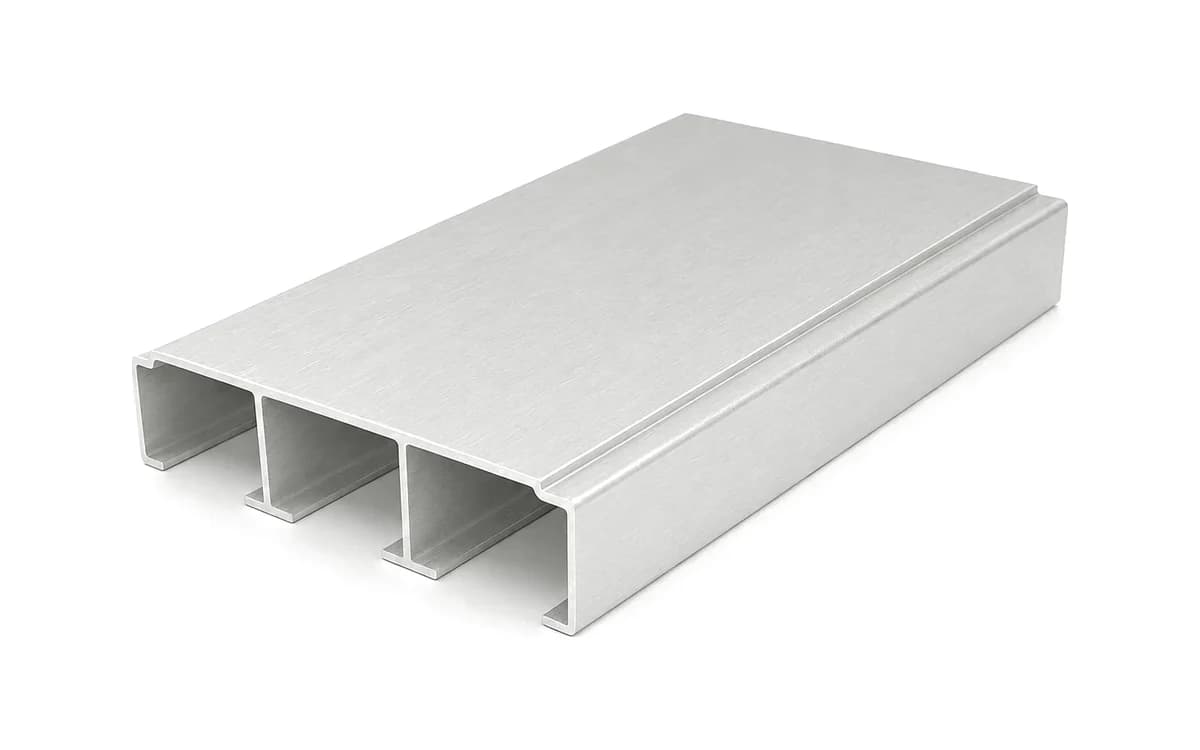 fiberglass deck panelStructural FRP Deck PanelsClosed-profile deck sections with neutral A/B/t drawing values and distinct edge geometries.12 cross-sectionsExplore
 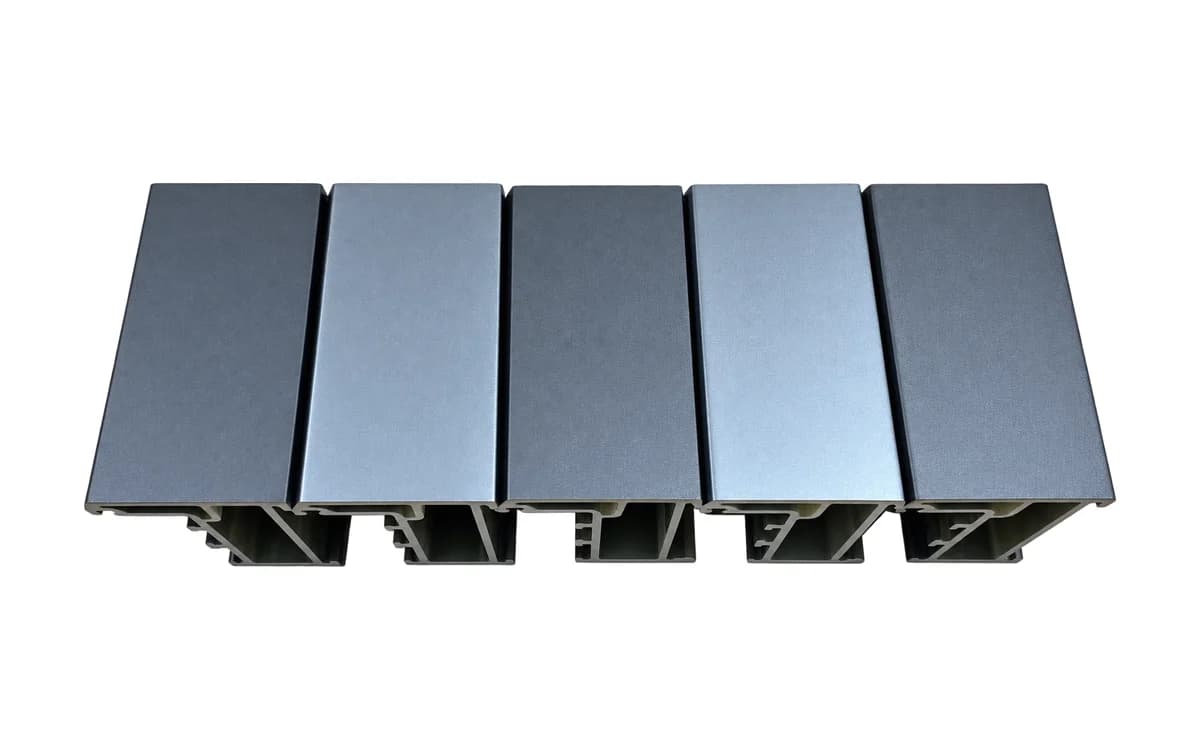 fiberglass window profileWindow & Door ProfilesFrame, sash, mullion and sill lineals for window and door fabricators.9 series, 50–140 mmExplore
 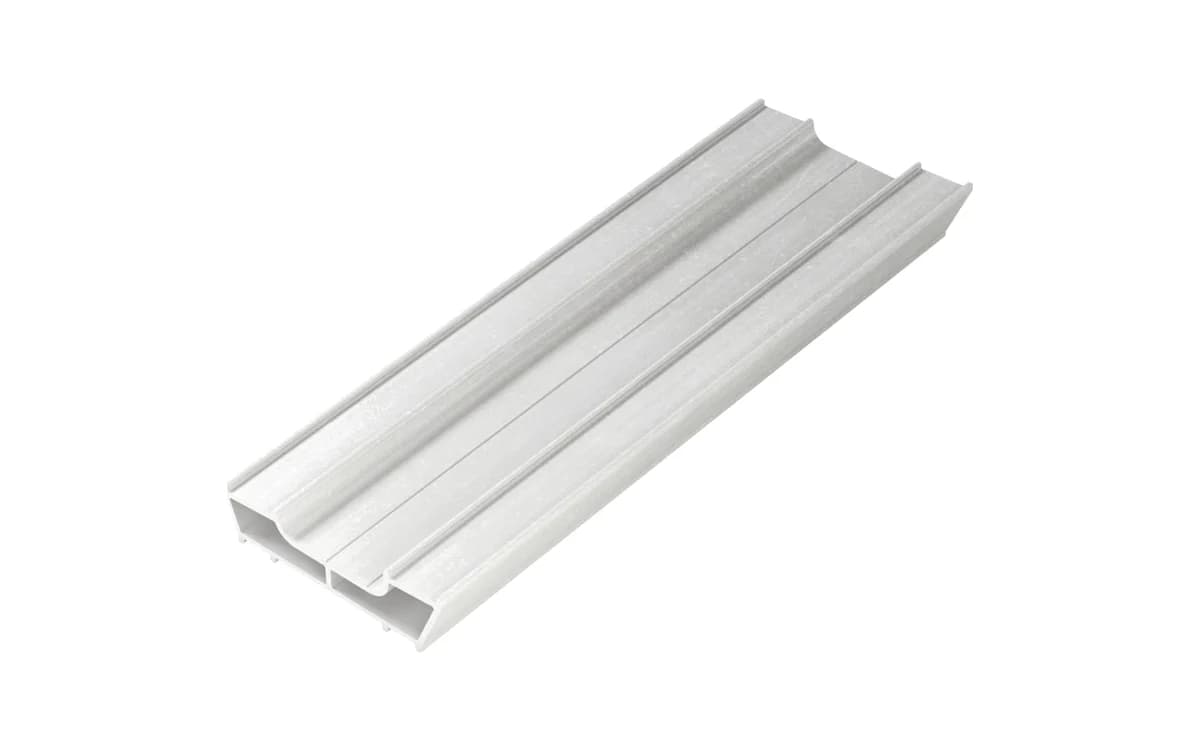 custom pultrusionCustom Pultruded ProfilesA die for your own section, with first delivery in 6–10 weeks.Up to 600×300 mmExplore
Pultruded FRP profiles: fiberglass structural shapes, continuously manufactured
Pultrusion pulls glass reinforcement and resin through a heated die to make a continuous profile with a constant cross-section. The section geometry, reinforcement and resin determine the properties to check for your project.
F1 Composite supplies profiles direct from the FengDu production network. Confirm the cut lengths, tolerances, material, inspection requirements and delivery scope against the selected product and approved drawing.
Looking for GRP profiles? Our glass-reinforced sections are the products also described as fiberglass structural shapes or GFRP profiles. Match the shape, resin and required performance, rather than the abbreviation. Carbon and carbon-glass hybrid products are identified separately. Compare FRP, GRP and GFRP terminology.
FRP avoids steel-like rusting, but chemical resistance depends on resin, medium, concentration, temperature and exposure. Confirm compatibility, surface protection and maintenance for the proposed application. Electrical insulation and thermal performance must be verified for the specified laminate and service conditions; they are not interchangeable across all FRP products.
Start from the structure you need to replace
Engineers often search by application before they know the profile geometry. These pages translate common use cases into resin systems, profile families, standards and RFQ inputs.
Application guides
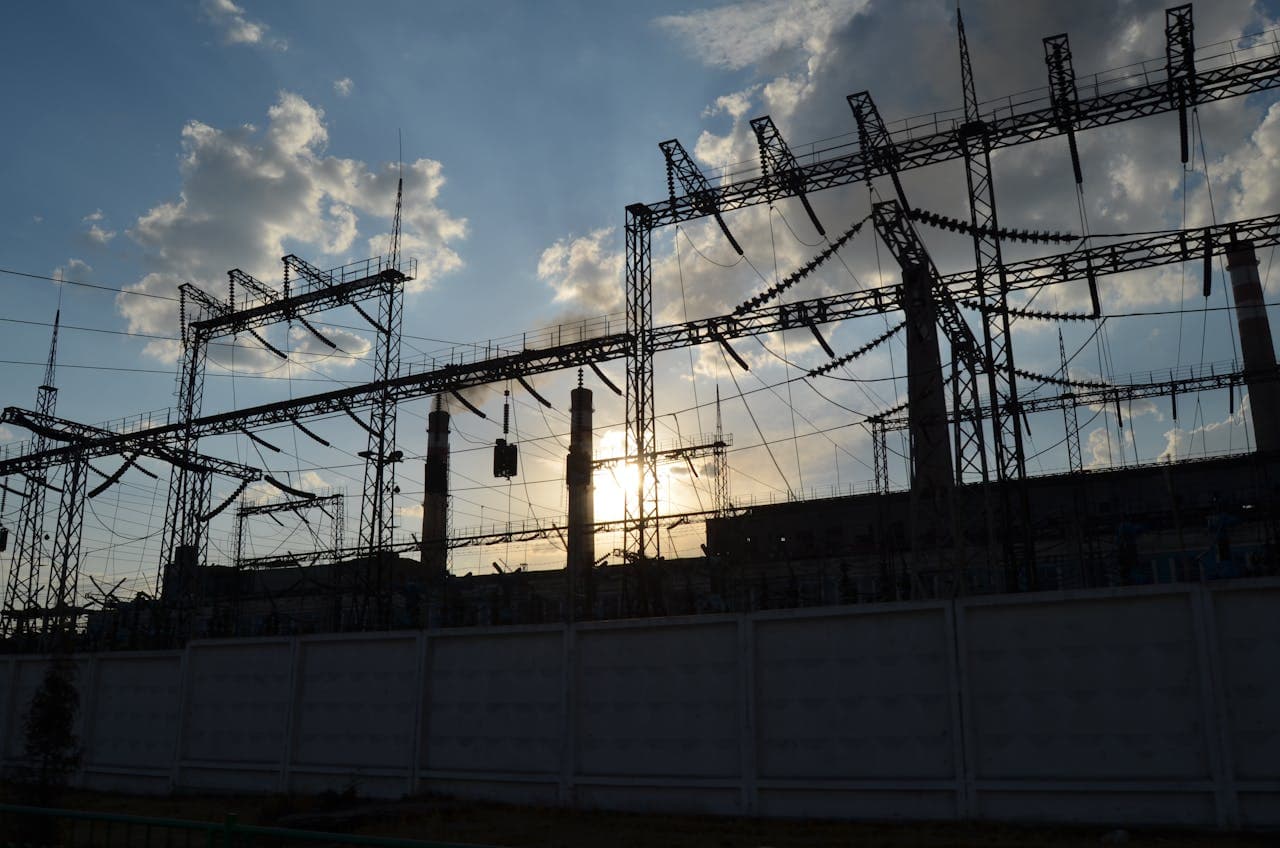
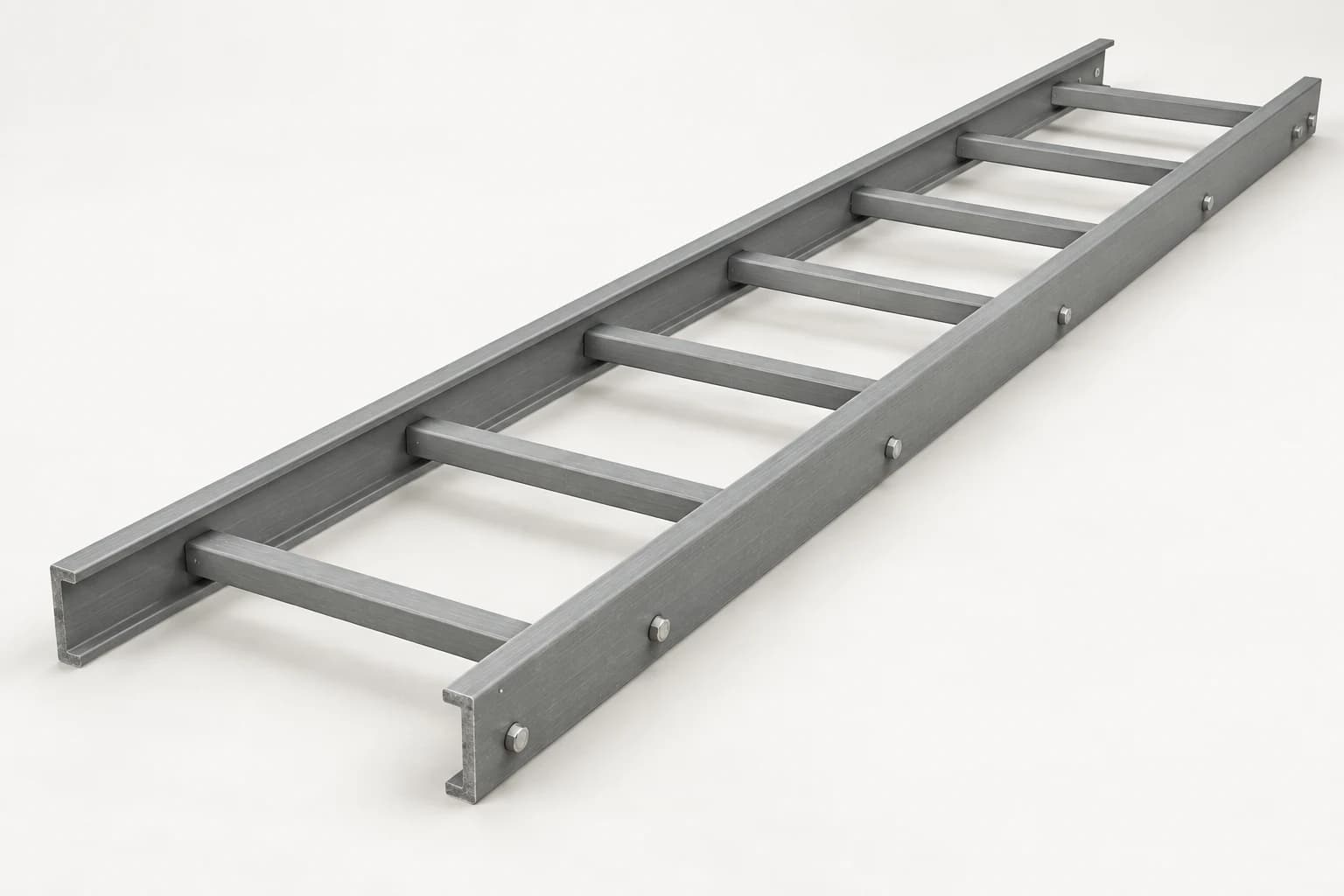 FRP cable tray supportsNon-conductive pultruded channels, angles, and brackets for substations, tunnels, and corrosive cable routing.
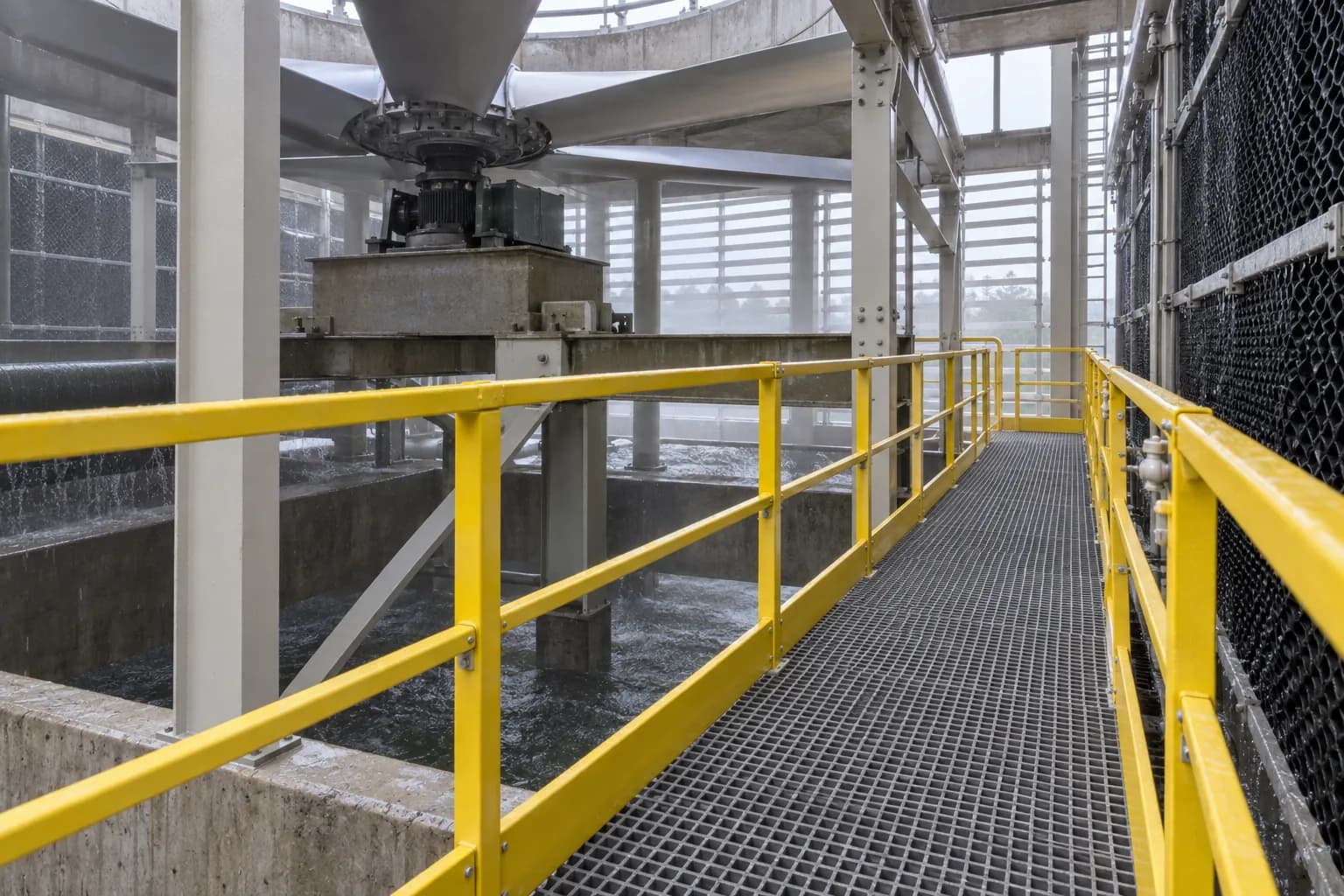 FRP cooling tower profilesVinyl ester beams, tubes, louvers, and access members for wet, chlorinated, and high-humidity cooling tower structures.
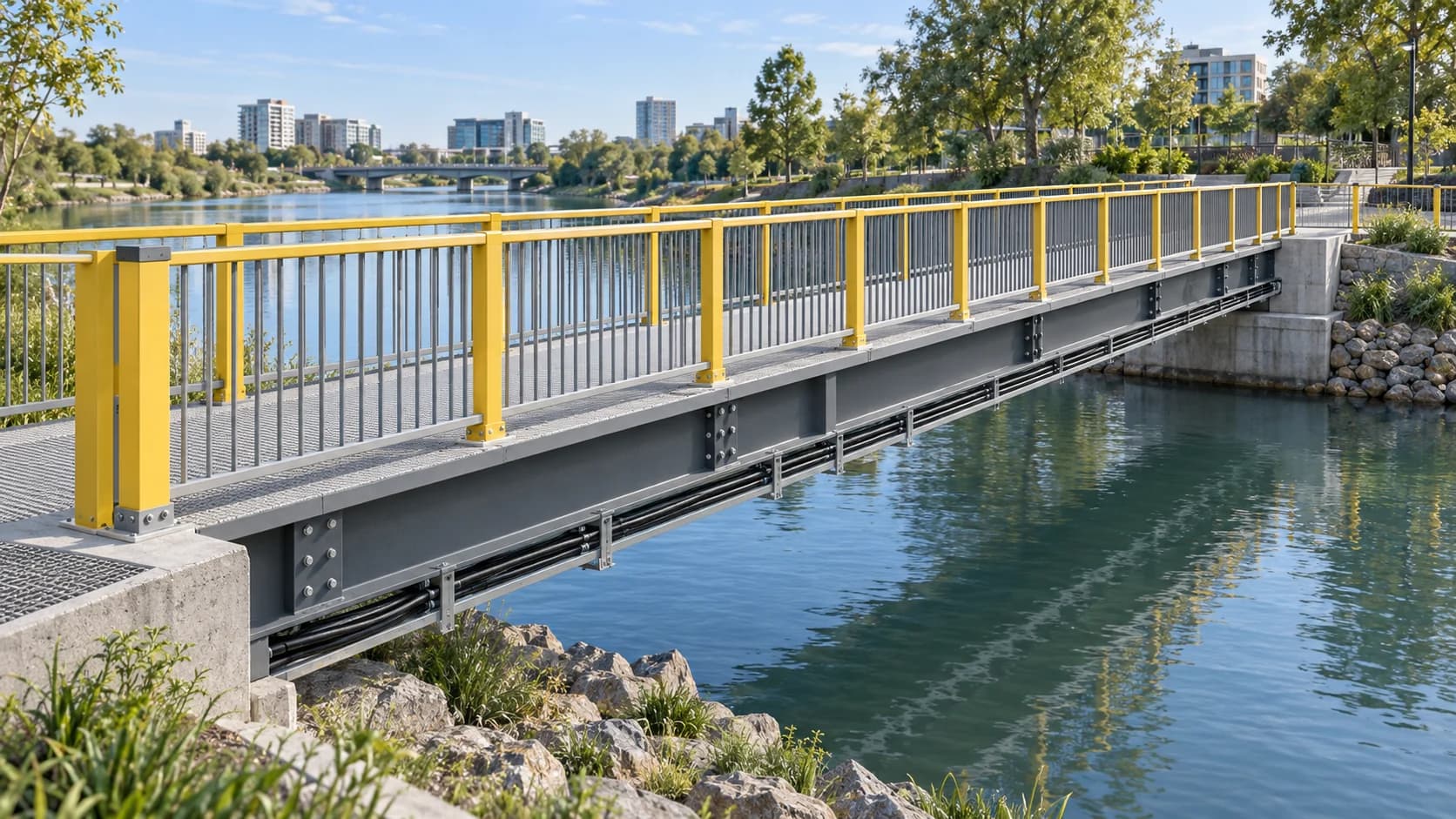
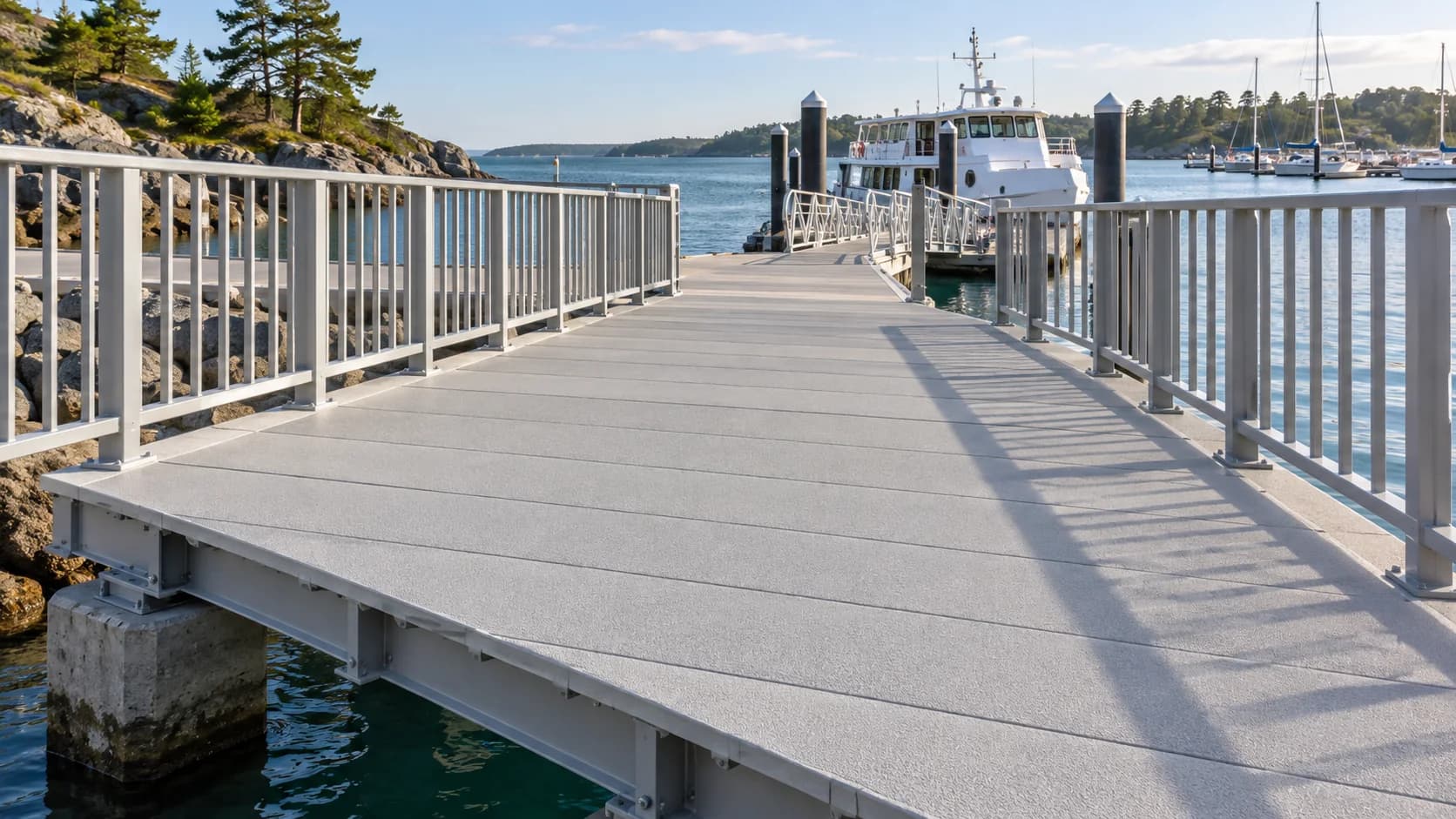 FRP bridge deck panelsClosed-top deck planks, gratings, and support profiles for pedestrian bridges and lightweight deck replacement.
 Project photoFRP solar mounting profilesUV-stable pultruded beams, channels, and posts for solar farms where weight, corrosion, and electrical isolation matter.
 FRP chemical plant platformsCorrosion-resistant beams, gratings, stair treads, and handrails for acid splash zones and process access platforms.
Products made from these profiles
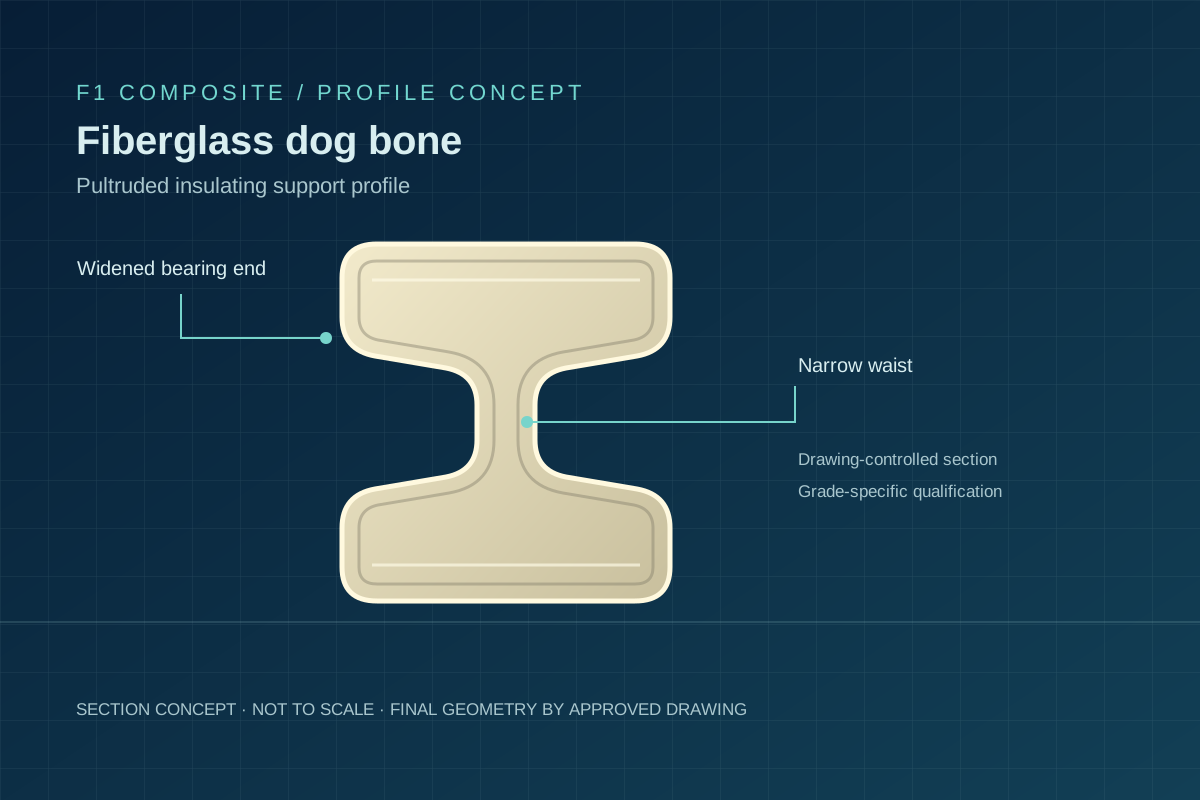 Fiberglass dog bone profiles
- Project photoSolar frames and supports
 Supplier photoWind turbine blade panels
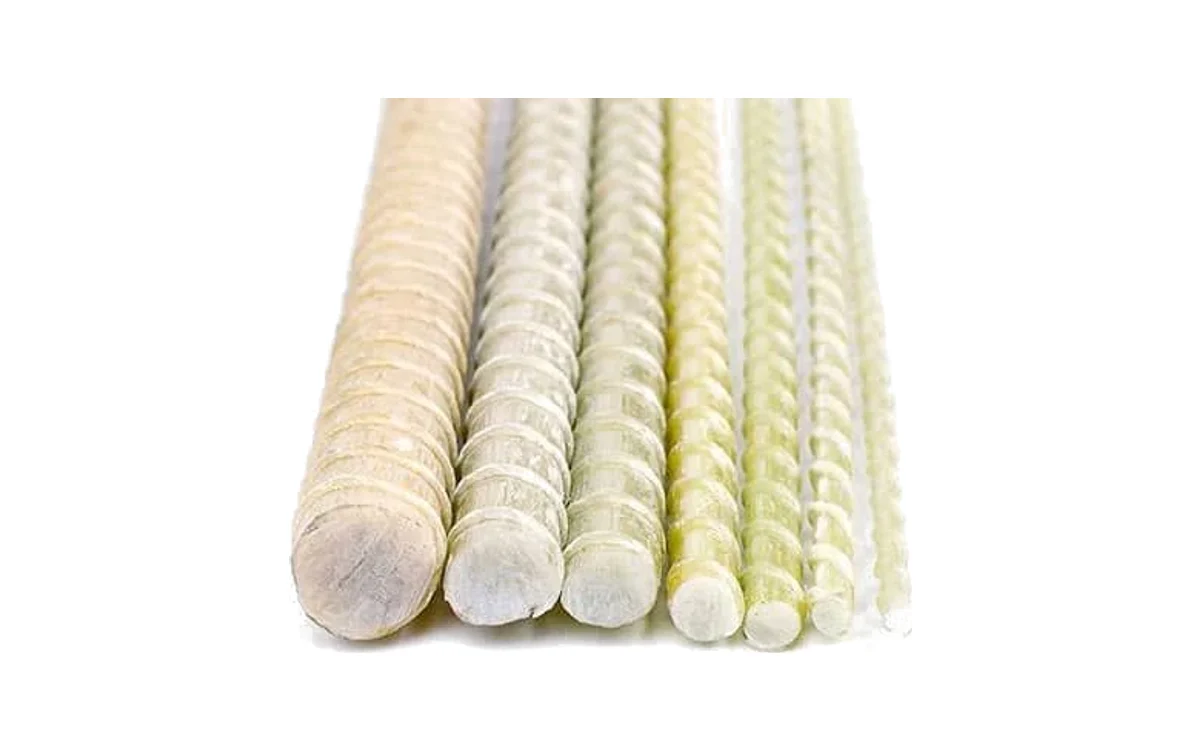 GFRP rebar
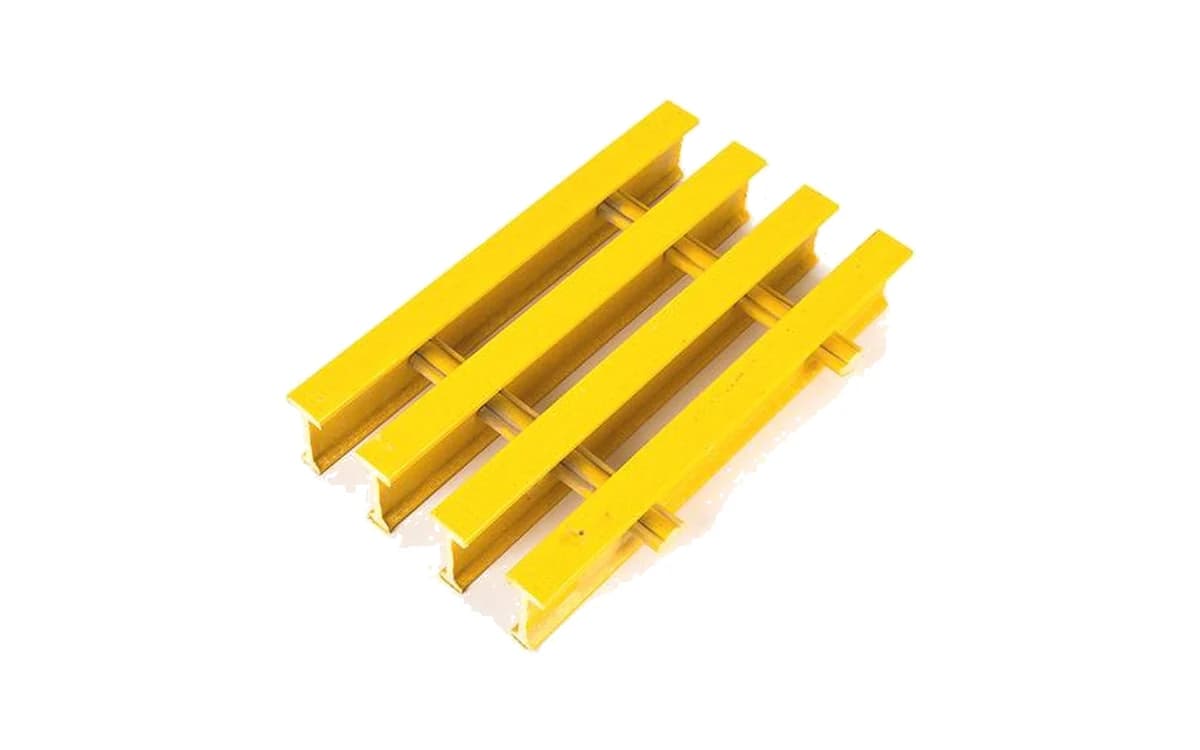 Pultruded grating
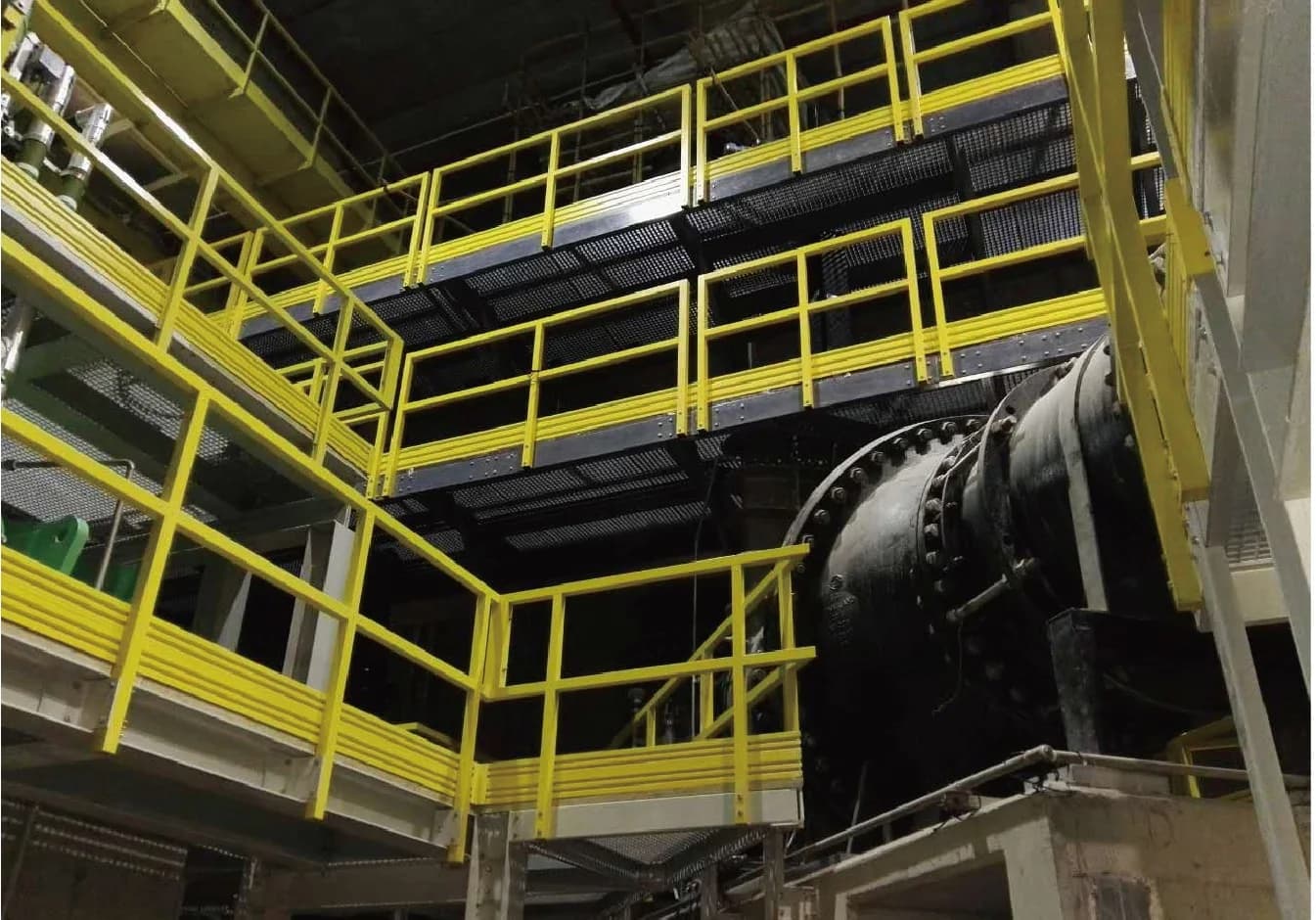 Reference photoHandrails
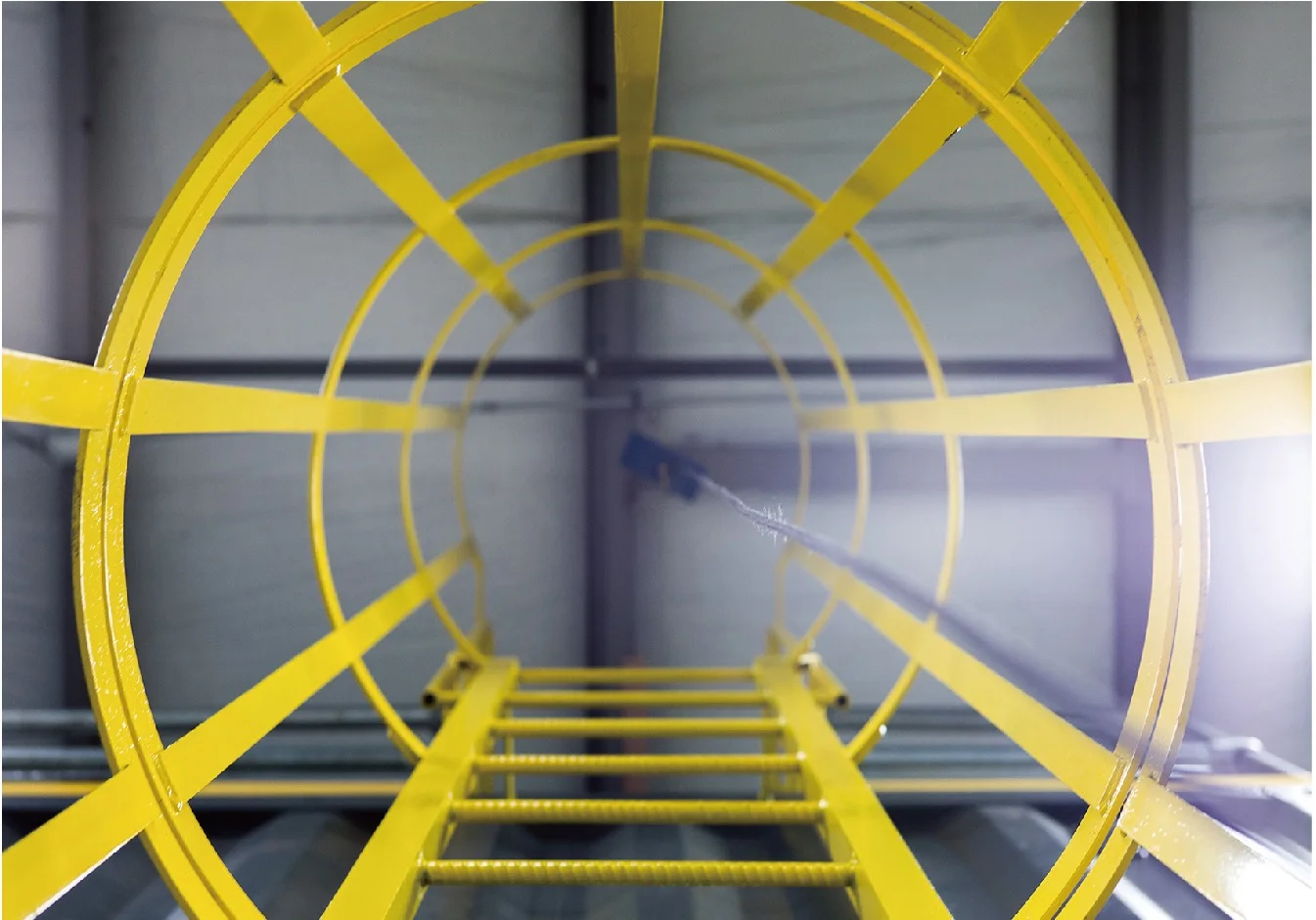 Reference photoLadders
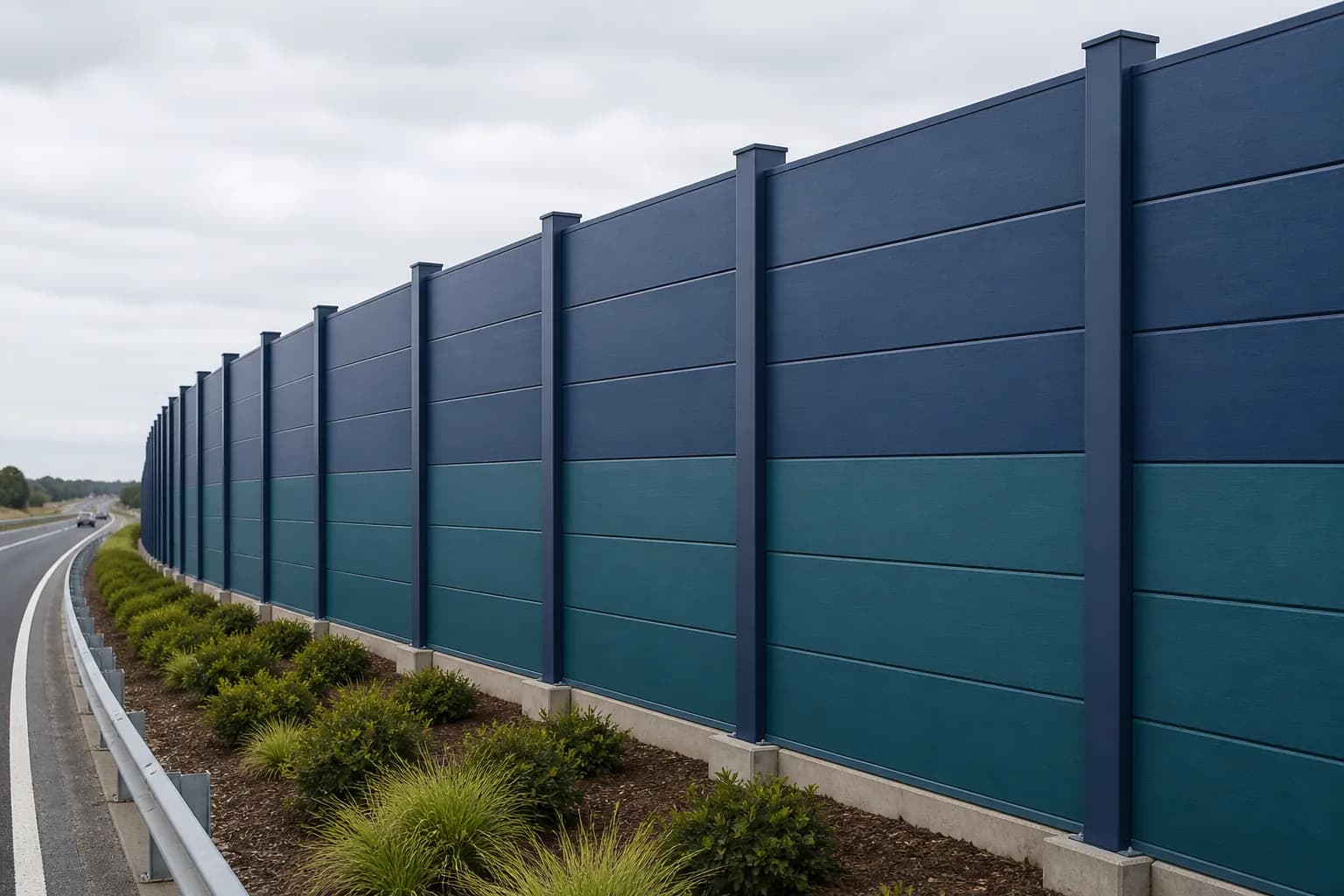 Sound barrier profiles
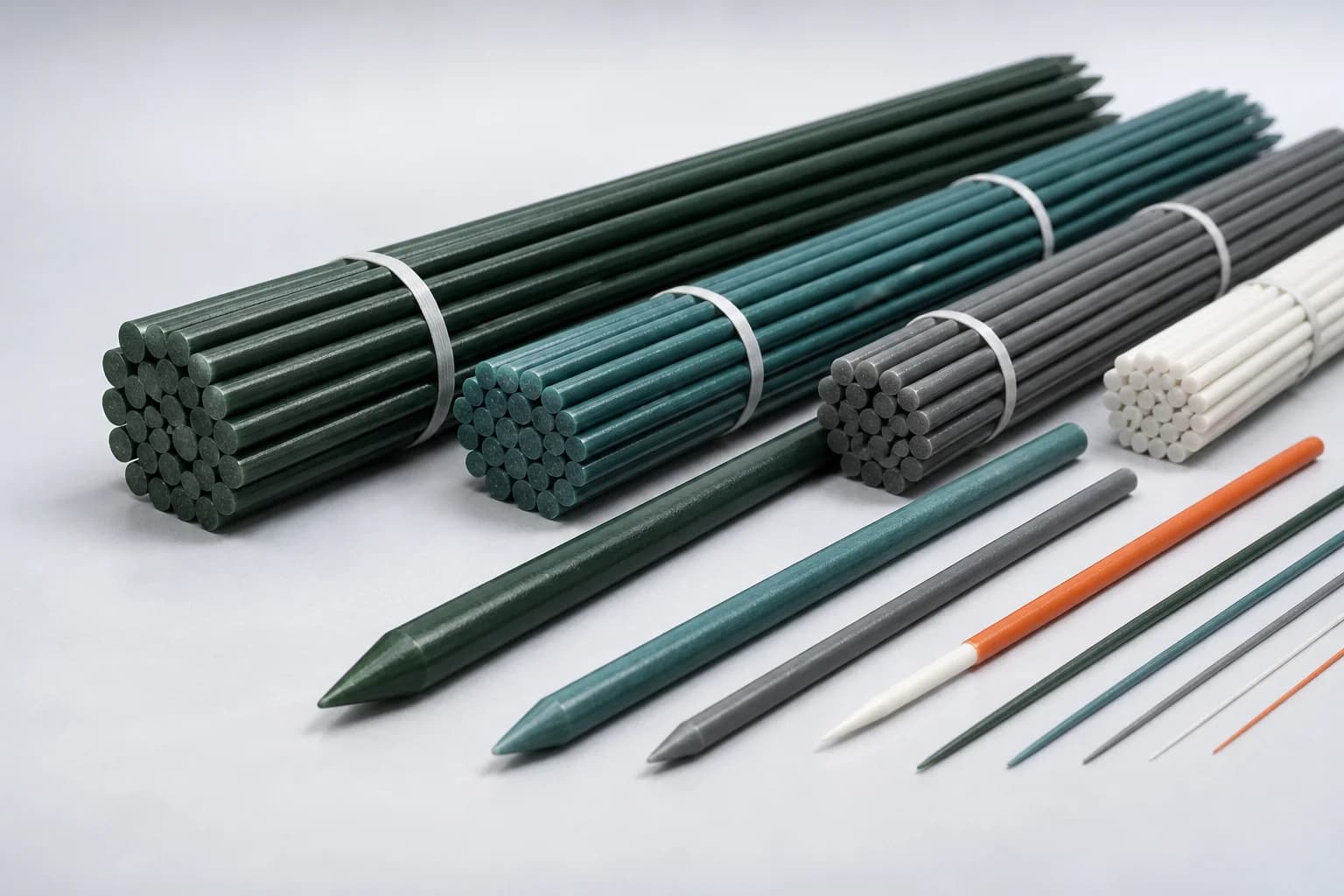 Fiberglass stakes
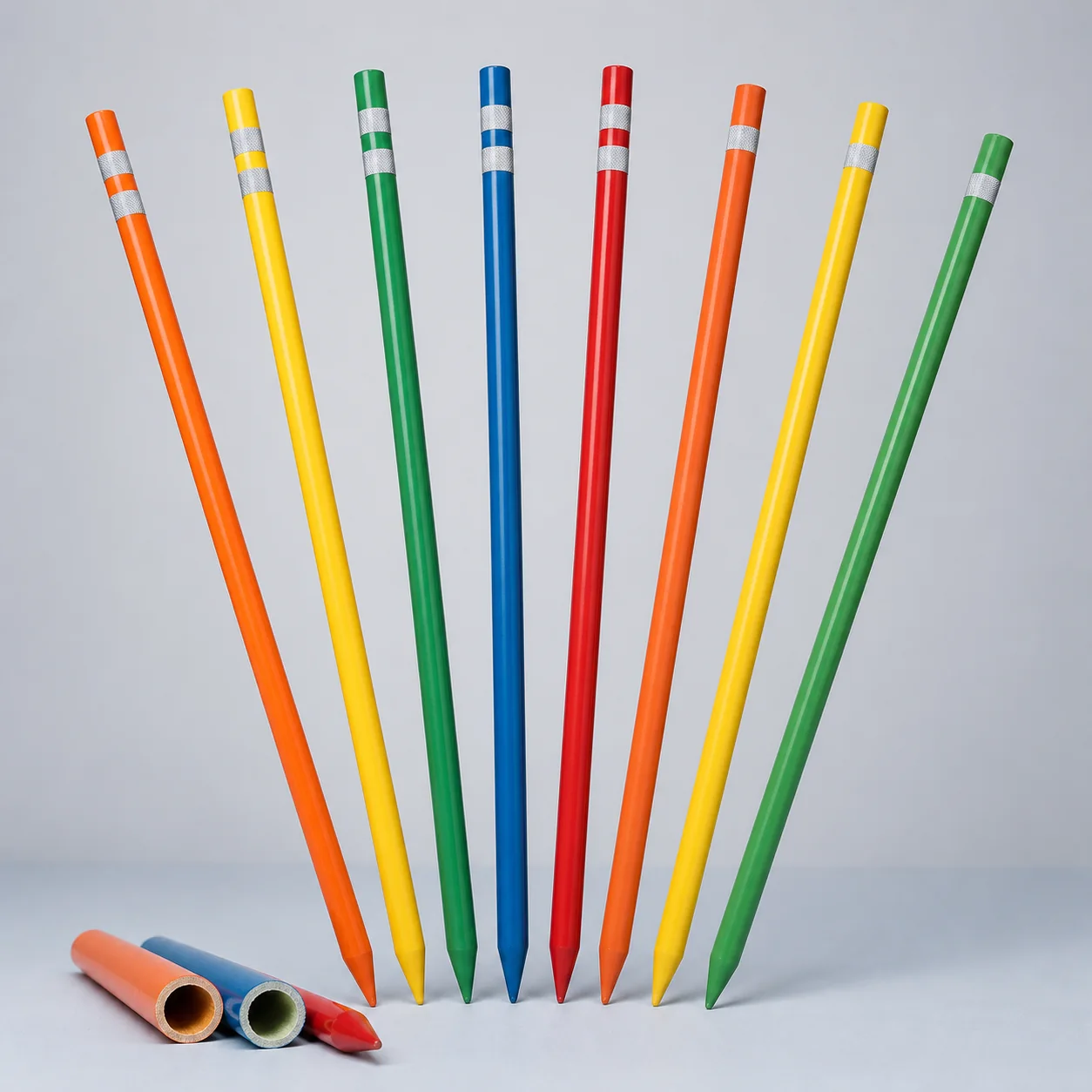 Snow markers
Industries
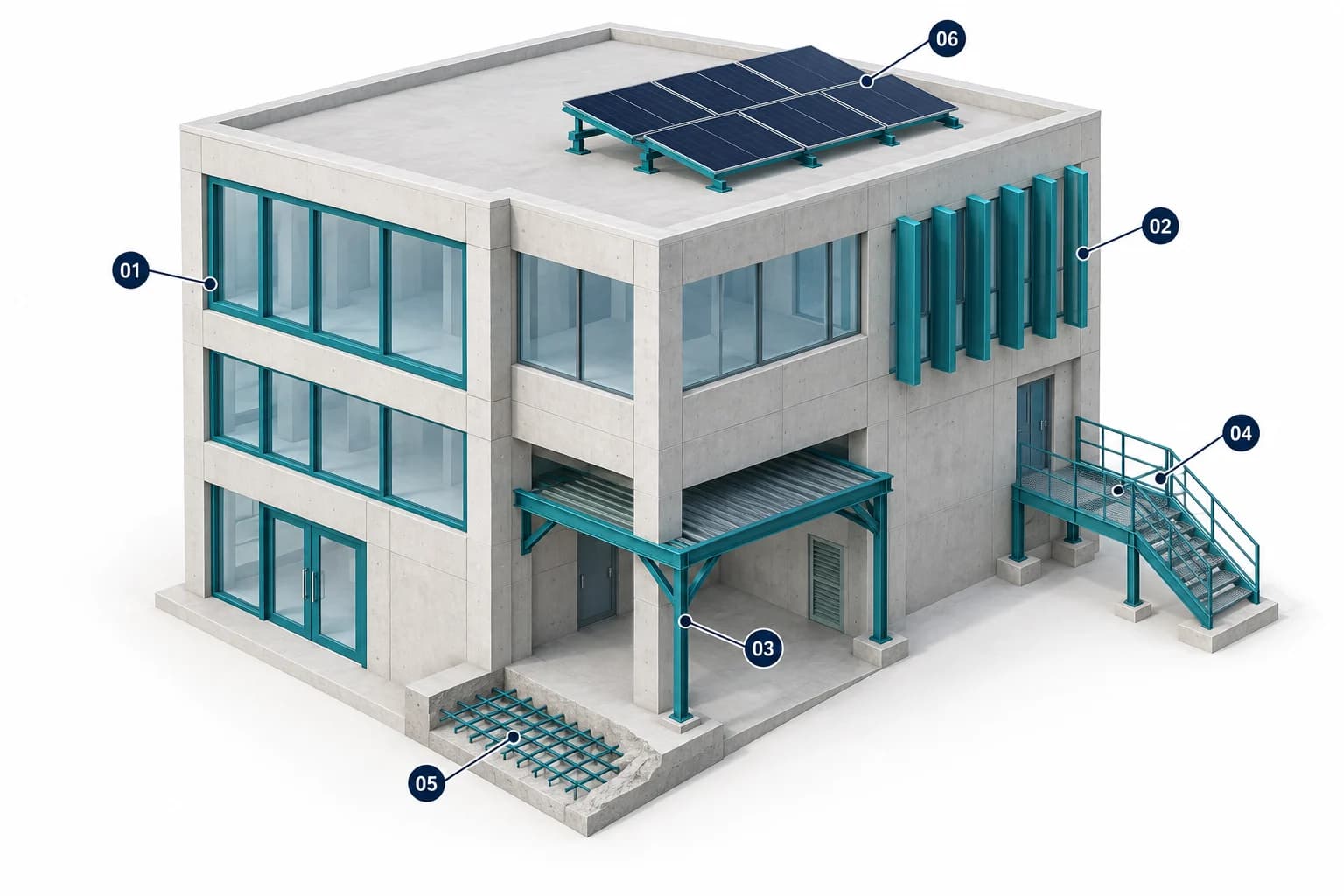
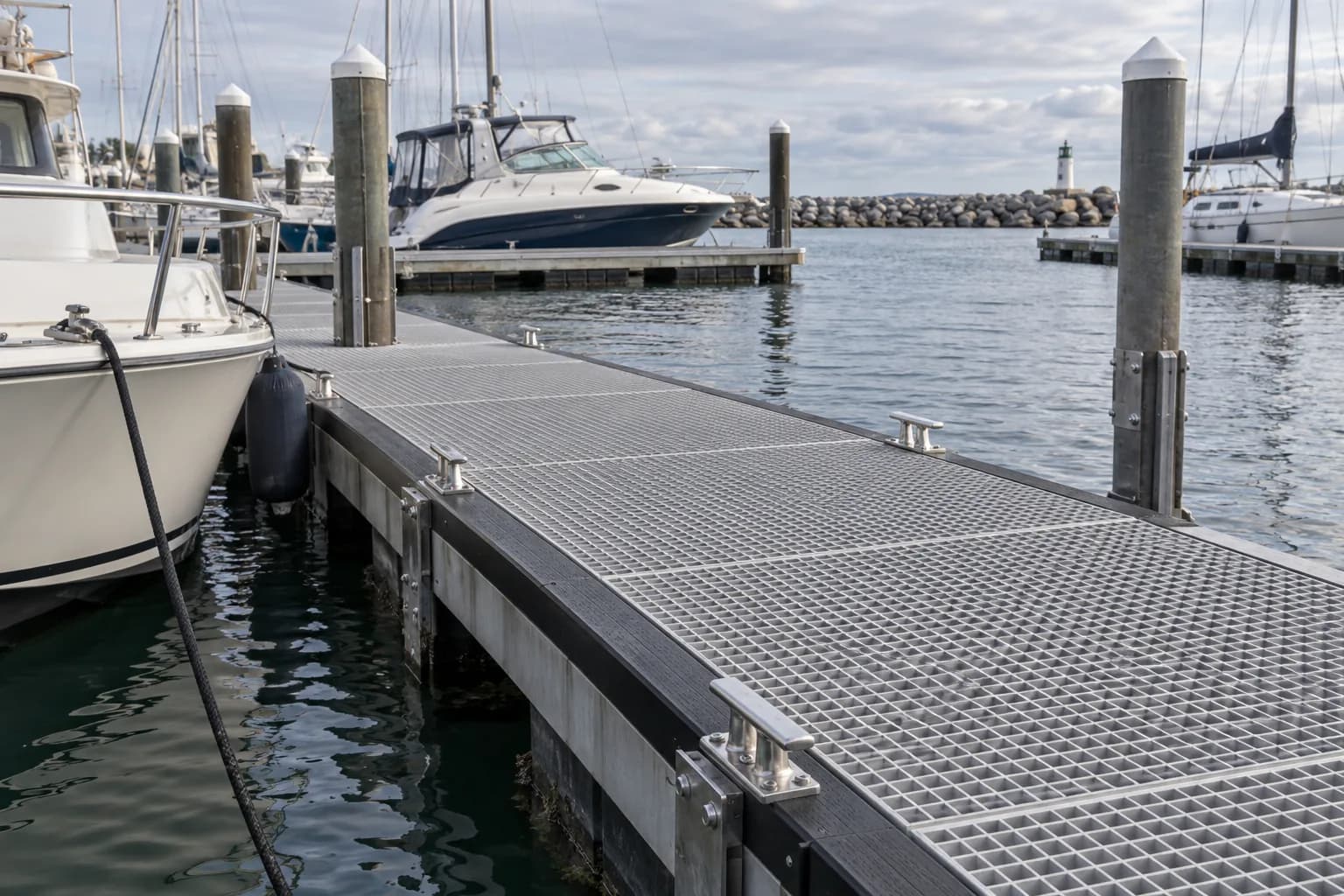

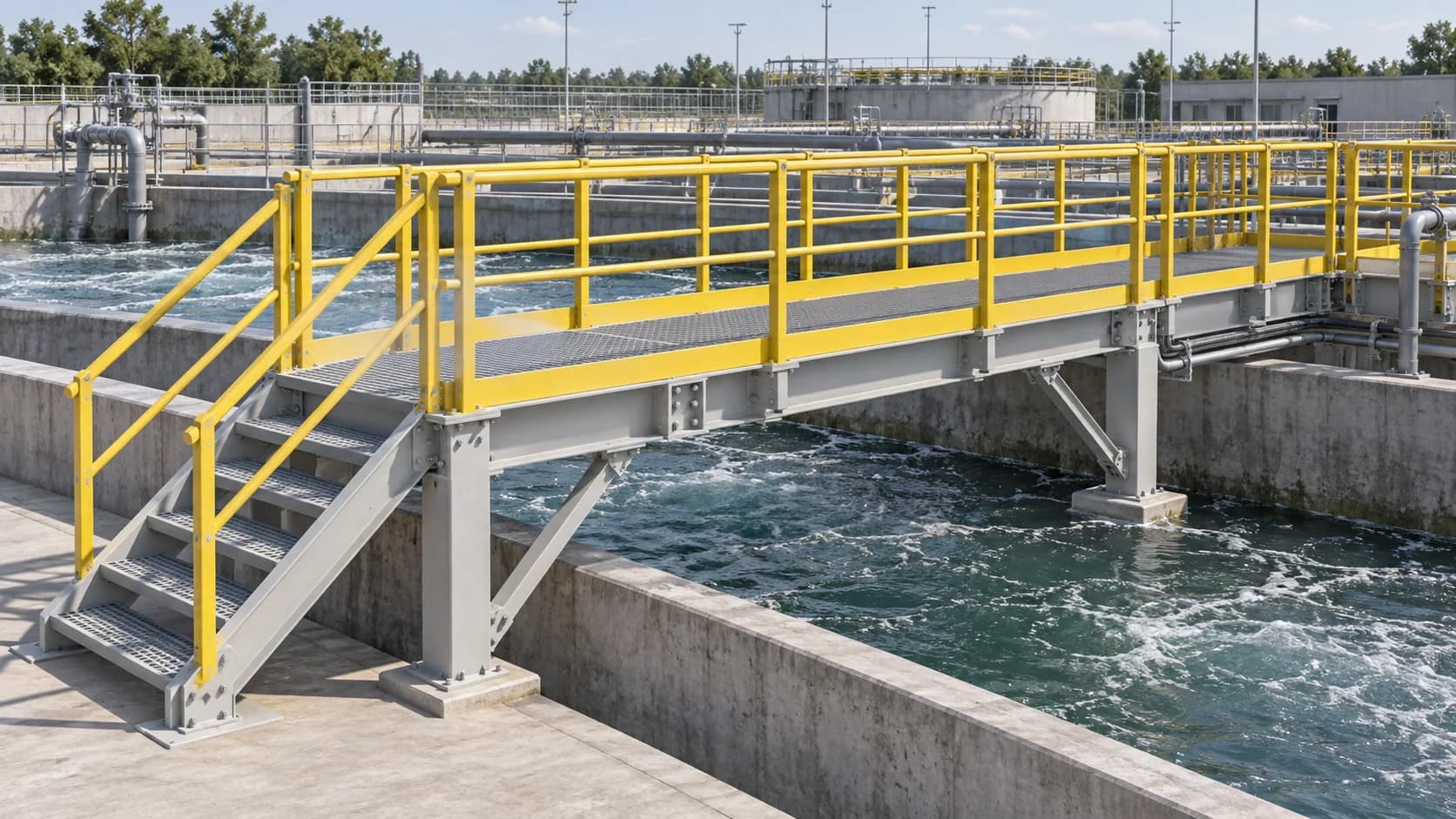
Five resin systems, chosen by environment and code
Use the environment and performance requirements to discuss a resin system. Availability depends on the product, tooling and laminate; confirm chemical compatibility, fire-test scope and design values for the proposed configuration.
| Resin system | Typical use | Notes |
|---|---|---|
| Isophthalic polyester | General structural (default) | Best cost / performance balance. ASTM E84 Class II flame spread available. |
| Vinyl ester | Marine, chemical, wastewater | Superior resistance to hydrolysis, chlorides, and osmotic blistering. |
| Polyurethane (PU) | High-toughness, fast-cure | Review the published PU-GF material data and confirm the proposed laminate and test method. |
| Phenolic | Fire-critical (BS 476 / EN 45545-2) | Match the fire and smoke report to the formulation, specimen and required classification. |
| Epoxy | High mechanical performance | Specify the tensile and fatigue requirements, then verify them for the proposed reinforcement and section. |
Pultruded FRP vs steel vs aluminum
Typical property bands for E-glass/polyester pultruded profiles compared with A36 carbon steel and 6061-T6 aluminum. Actual values vary by resin system, fiber architecture, and cross-section. Use this table as a first-pass material selection reference.
| Property | Pultruded FRP | Carbon steel | Aluminum |
|---|---|---|---|
| Density (g/cm³) | 1.8 – 2.1 | 7.85 | 2.70 |
| Tensile strength (MPa) | 240 – 400 | 400 (A36) | 240 (6061-T6) |
| Elastic modulus (GPa) | 17 – 28 | 200 | 69 |
| Thermal conductivity (W/m·K) | 0.3 | ≈50 | ≈160 |
| Corrosion | Resin- and exposure-dependent | Requires galvanizing / painting | Galvanic & chloride pitting |
| Electrical conductivity | Verify dielectric performance for the specified laminate and conditions | Conductive | Conductive |
| Typical service life | Project-specific design and inspection plan | Exposure and protection dependent | Alloy and exposure dependent |
For a detailed comparison including cost analysis and lifecycle economics, see FRP vs traditional materials.
What the EN 13706 grades E17 and E23 mean
EN 13706-3 classifies pultruded structural profiles by their minimum full-section flexural modulus: grade E17 = 17 GPa and grade E23 = 23 GPa (the standard also requires the axial tensile modulus to meet the grade number). The grade is a minimum, not a typical value.
F1 Composite’s standard structural profiles are made to E23, and sections with a high fiber content are stiffer than the 23 GPa minimum. Each property is paired with the test method that produces it.
| Property | Test method | E17 | E23 |
|---|---|---|---|
| Full-section flexural modulus (grade definition) | EN 13706-2 Annex D | ≥ 17 GPa | ≥ 23 GPa |
| Axial tensile modulus | EN ISO 527-4 | ≥ 17 GPa | ≥ 23 GPa |
| Axial tensile strength | EN ISO 527-4 | 170 MPa | 240 MPa |
| Interlaminar shear strength (short-beam) | EN ISO 14130 | 15 MPa | 30 MPa |
| Density | EN ISO 1183 | 1.8 g/cm³ | 1.9 g/cm³ |
| Glass content (by weight) | ISO 1172 | 55–60% | 65–70% |
| Barcol hardness (cure proxy) | ASTM D2583 | ≥ 40 | ≥ 40 |
Modulus rows are the EN 13706 grade definition; strength, density, glass content, and hardness are F1 characteristic values per the cited method. Per-size section properties (A, Ix, Sx, weight/m) are published on each shape datasheet, or compute them live in the FRP profile calculator.
Compare the same specification and delivery scope
Pricing is confirmed against the section or assembly, resin, quantity, tooling, finishing, packing, destination and Incoterm. Calculator estimates are planning references, not offers.
- Section and material
- Compare the same geometry, tolerances, resin, reinforcement and finish.
- Quantity and tooling
- Separate production quantity, minimum run, die cost, sampling and tooling ownership.
- Evidence
- Match report holders, tested specimens, grades and acceptance criteria to the offered product.
- Delivered cost
- Use the same quotation date, currency, Incoterm, destination, packing and tax assumptions.
- Schedule and support
- Confirm drawing release, sample approval, production, inspection, shipping and after-sales scope.
We will acknowledge your requirements within one business day and confirm the next step. A formal quotation follows specification and delivery review. Review product evidence and document scope.
Pultruded FRP terms, defined
- Pultrusion
- A continuous process that pulls fiber reinforcement through a resin bath and a heated die to form a profile with a constant cross-section. The name combines “pull” and “extrusion.”
- E-glass roving
- Continuous bundles of electrical-grade glass filaments that carry the longitudinal load in a pultruded profile.
- Continuous strand mat (CSM)
- A randomly-oriented glass mat layered between rovings to build transverse (cross-direction) strength.
- Surfacing veil
- A thin veil at the surface that creates a resin-rich, UV- and corrosion-resistant outer layer.
- EN 13706 E17 / E23
- European grades for pultruded structural profiles, defined by minimum full-section flexural modulus: 17 GPa (E17) and 23 GPa (E23).
- ASTM D3917
- A dimensional-tolerance specification for pultruded shapes. Confirm the applicable dimension, tolerance class and acceptance criteria on the approved drawing.
- Vinyl ester resin
- A corrosion-grade resin for acid, alkali, chlorine and marine service, one step up from general-purpose isophthalic polyester.
- Barcol hardness
- A surface-indentation test (ASTM D2583) used as a quick proxy for adequate cure of a pultruded profile.
Full glossary: FRP and pultrusion terminology
Datasheets and design data
- Data sheetPDF · 3 MB
FRP Profile Design Manual — DOC-PF-2026-EN Rev. B
- Issued by
- F1 Composite
- For
- Structural shapes
Revision B (October 2026), generated from the website's catalog, laminate and design-basis data: EN 13706 E23 laminate values beside the grade minimums, section properties of all 114 catalog sizes, allowable uniform loads to the published LRFD screening basis, application guides, durability stated by resin formulation, fabrication and inspection. A preliminary-sizing reference, not a project approval or batch certificate; it supersedes the withdrawn Rev. A.
- Data sheetPDF · 13 KB
Wind Energy Pultruded Laminate — Mechanical Data Sheet
- Issued by
- F1 Composite
- For
- Wind turbine blade panels
The tested laminate and reinforcement described in the document. Fatigue and fiber-content results apply to the stated specimens, not all blade or spar-cap designs.
- Data sheetPDF · 8 KB
PU-GF Pultruded Profile — Mechanical Data Sheet
- Issued by
- F1 Composite
- For
- Custom pultrusions
The material system and methods identified in the sheet. Confirm whether each value is typical, measured or a design value before applying it to another laminate or section.
- CertificatePDF · 142 KB
EPD & Carbon Footprint — Pultruded GFRP Composite Profiles
- Issued by
- CABR
- For
- Standard profiles
Environmental Product Declaration and product carbon footprint analysis for F1 Composite pultruded GFRP composite profile products, with 1 m² functional unit. Calculation reference CABR-CFC-01(02)-2025(20030)1, cradle-to-gate 33,934.34 g CO₂e/m², distribution 254.59 g, cradle-to-grave 36,099.32 g. Standards: GB/T 24025-2009 (ISO 14025-aligned Type III EPD), GB/T 32161-2015, ISO 14067, PAS 2050. Issued by China Academy of Building Research Co., Ltd. (CABR) Certification Center on April 30, 2025.
Size a pultruded FRP profile in your browser
Check a section against your span and load, compare it with a steel or aluminum member, and get a planning price, all from the published section data.
 Profile finderFilter the standard sizes by shape, size, mass and stiffness.Open the tool
 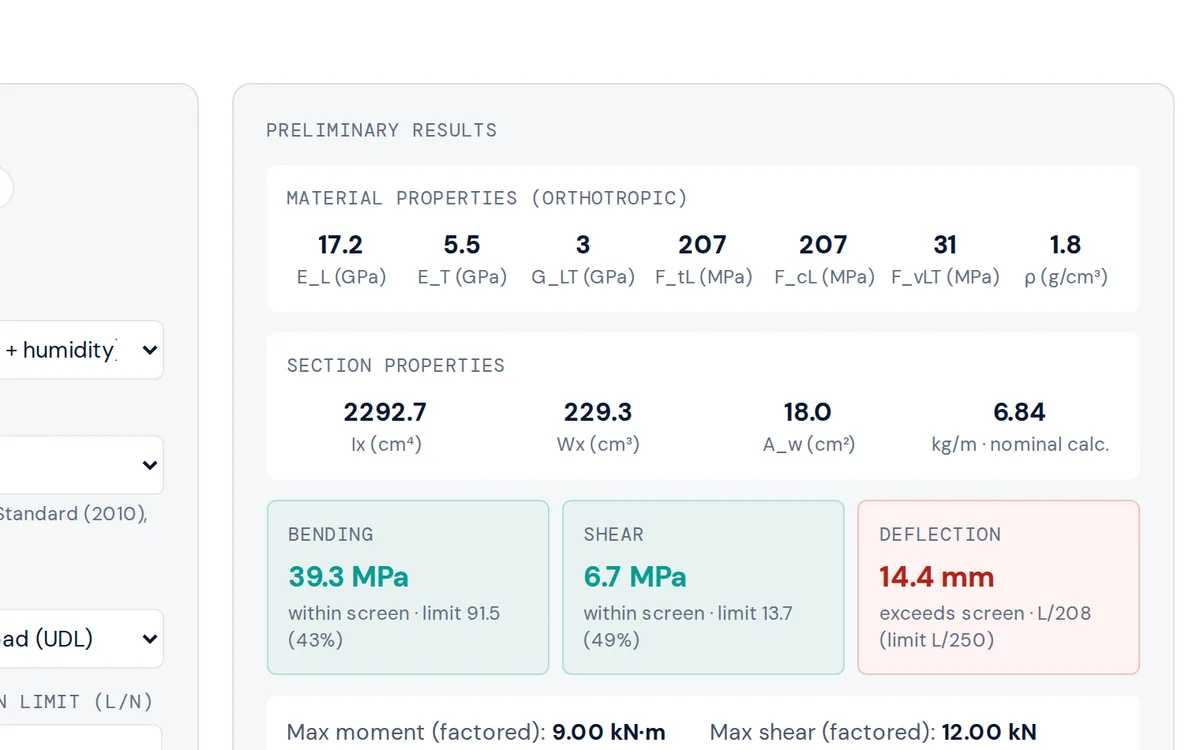 Profile calculatorScreen bending, shear and deflection using the stated loads, material values and design basis.Open the tool
  Span tablesAllowable uniform loads for every standard I-beam, channel and tube over 1–6 m.Open the tool
  Price estimatorA budget price range per meter, with quantity breaks.Open the tool
Span tables by family: fiberglass I-beam, channel and tube, over simple spans of 1–6 m on an EN 13706 E23 basis with deflection checked.
Pultruded FRP profiles — frequently asked questions
Short answers for specifying engineers, procurement managers, and contractors evaluating pultruded fiberglass profiles.
What are pultruded FRP profiles?
Pultruded FRP (fiber-reinforced polymer) profiles are continuous fiberglass structural shapes produced by pulling reinforcing fibers through a resin bath and a heated steel die. The result is a profile with a constant cross-section, such as an I-beam, channel, angle, tube or rod, with 60–70% glass fiber by weight, a high strength-to-weight ratio and chemical resistance that depends on the resin.
How do pultruded FRP profiles compare with steel?
Pultruded FRP is approximately 75% lighter than steel (density 1.9 vs 7.85 g/cm³), has comparable tensile strength (240–400 MPa vs 400 MPa for A36), but lower elastic modulus (~25 GPa vs 200 GPa). FRP does not rust like steel; chemical and electrical performance depend on the material and exposure, and has thermal conductivity ~170× lower than steel. Stiffness or deflection usually governs FRP design rather than strength.
Are pultruded FRP profiles certified to international standards?
Profiles are supplied to EN 13706-1/2/3 (the European pultruded profile standard, grades E17 and E23) and ASTM D3917 (dimensional tolerances), and mechanical testing follows ASTM D638 (tensile), D790 (flexural) and D695 (compression). ISO 9001 and fire test reports for fire-retardant formulations (BS 476, ASTM E84, EN 45545-2) are provided on request with the holder, number and scope.
What CSI MasterFormat section covers pultruded FRP structural shapes?
In North American construction specifications, pultruded FRP structural shapes are specified under CSI MasterFormat Division 06, most often Section 06 50 00 (Structural Plastics) and Section 06 51 00 (Structural Plastic Shapes and Plates). FRP gratings are typically specified under Section 06 74 13 (Fiberglass Reinforced Gratings). F1 Composite supports spec-section submittals with EN 13706 / ASTM D3917 compliance data, mechanical test reports (ASTM D638 / D790 / D695), and material test reports (MTRs) for each production batch. These are the documents an engineer of record usually asks to review.
What is the typical lead time for pultruded FRP profiles?
Catalog sections on an existing die: 2–4 weeks. Variants on existing tooling: 4–6 weeks. New sections on a new die: 6–10 weeks in total, of which die manufacture takes 4–8 weeks before trial and production. Window and door projects: 6–12 weeks depending on volume. Catalog dimensions are standard section options, not live inventory; production timing is confirmed in the quotation.
Is FRP more expensive than steel?
Compare quotations for members that meet the same load, deflection, exposure and delivery requirements. Include tooling, fabrication, freight, installation, inspection and maintenance over the same study period. FRP may reduce some corrosion-related maintenance, but there is no fixed price premium or lifecycle saving across projects. The lifecycle cost calculator lets you compare your own cost and maintenance assumptions.
Can FRP profiles be used for primary structural members?
Yes. FRP is widely used for primary structural members in walkways, pedestrian bridges, platforms, cooling tower framing, solar mounting, and cable tray support. Design follows ASCE/SEI 74-23 LRFD Pre-Standard for Pultruded FRP Structures or EN 13706. Local and global buckling checks are essential because of the lower modulus.
What is the minimum order quantity for custom FRP profiles?
F1 Composite's minimum order quantity for custom pultruded profiles is 500 linear meters for the first production run; repeat orders start from 200 meters. Catalog sections have no fixed minimum; quantity and production timing are confirmed in the quotation.
How does FRP compare to Strongwell, Fiberline, and Creative Pultrusions?
F1 Composite supplies to the same EN 13706 / ASTM D3917 specifications as Strongwell (EXTREN®), Fiberline Composites, and Creative Pultrusions (SuperStrut®). The differentiators are the scale of the FengDu manufacturing base it exports from (370 pultrusion lines, 150,000 t/year), direct-from-factory pricing without regional distributor markups, and custom tooling turnaround for export markets.
Where can I buy pultruded FRP profiles, and how do I source FRP pultruded profiles from China?
F1 Composite sells pultruded FRP profiles direct from the production network, without a distributor, and exports to 30+ countries on FOB or DDP terms. For a quote, send the profile geometry or a drawing, the quantity, resin system and destination port. Catalog sections ship in 2–4 weeks; profiles that need a new die take 6–10 weeks. Buyers sourcing pultruded profiles from China usually ask for EN 13706 or ASTM D3917 test data, a Barcol hardness and glass content report, and a pre-shipment inspection; we provide these on request.
Specify pultruded FRP profiles for your next project
Send the size, length and quantity, the service environment and the destination. We reply within one business day; a formal quotation follows once the specification and delivery are reviewed.
- Lengths & tolerances
- Use 6 m as the standard-length inquiry reference or specify cut lengths and counts. Identify the required tolerance standard, holes and end cuts on your drawing; available lengths and dimensional acceptance are confirmed for the selected section.
- Resin & surface
- Give the chemicals, concentrations, temperature, outdoor exposure, color and fire requirements. Review the proposed resin, reinforcement and surface treatment against those conditions and the evidence for the offered material.
- Quantity & samples
- Give the trial quantity, expected repeat demand and target delivery date. Minimum quantities, sample arrangements and the production schedule are confirmed for the section, material and fabrication scope in the quotation.
- Documents & delivery
- List the required drawings, material reports and batch inspection records. Confirm which documents cover the offered product, any additional testing, the packing method and available delivery terms for your destination.