 Electrical Infrastructure · How to Install FRP Cable Tray and Cable Ladder: Supports, Splices, Expansion and GroundingA step-by-step FRP cable tray installation guide: support spacing, splice and fitting locations, expansion splices, grounding, cutting and sealing, cable pulling and inspection.
Blog
Engineering insights
Technical articles and industry perspectives from the F1 Composite engineering team.
Articles, newest first 52 articles
- Electrical Infrastructure · How to Install FRP Cable Tray and Cable Ladder: Supports, Splices, Expansion and GroundingA step-by-step FRP cable tray installation guide: support spacing, splice and fitting locations, expansion splices, grounding, cutting and sealing, cable pulling and inspection.
 Catalog drawingAccess & Safety · How to Install FRP Handrail: Layout, Post Bases, Anchors, Fittings and Cut-Edge SealingA step-by-step FRP handrail installation guide: layout drawing, post spacing and tolerances, post bases and anchors, rail fittings and splices, cut sealing and handover checks.
 SchematicConcrete Reinforcement · How to Install GFRP Rebar: Handling, Storage, Cutting, Supports, Ties and Concrete PlacementA site guide to GFRP rebar: receiving and storage, lifting, cutting, bar supports and ties, preventing flotation during concrete placement, and inspection before the pour.
 Catalog drawingAccess & Safety · FRP Handrail and Guardrail Requirements: OSHA 1910.29, IBC and EN ISO 14122-3What OSHA 1910.29, the IBC with ASCE 7 and EN ISO 14122-3 require of guardrails and handrails, and how to specify an FRP system that can be checked against them.
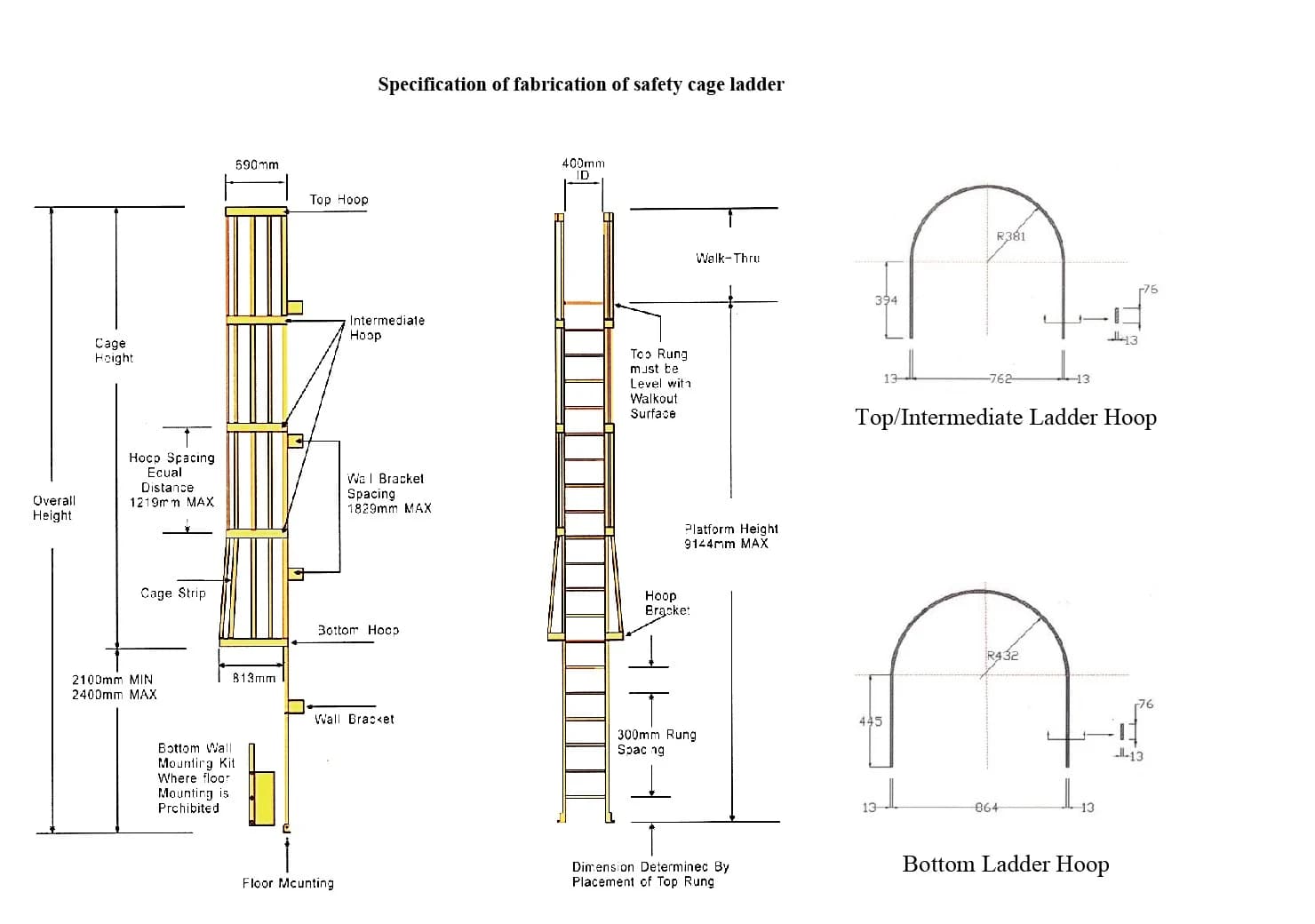 Catalog drawingAccess & Safety · Fixed Ladder Requirements for FRP Ladders: OSHA 1910.23, 1910.28 and EN ISO 14122-4OSHA 1910.23 geometry, the 1910.28(b)(9) fall protection timeline and EN ISO 14122-4 cage rules for fixed ladders, and how they shape an FRP ladder order.
 Product photoConcrete Reinforcement · GFRP Rebar Specification Guide: ACI 440.11, ASTM D7957, CSA S807 and What to SubmitHow to write a GFRP rebar specification: design code, ASTM D7957 or CSA S807 edition control, the submittals to request and the site rules that stay fixed.
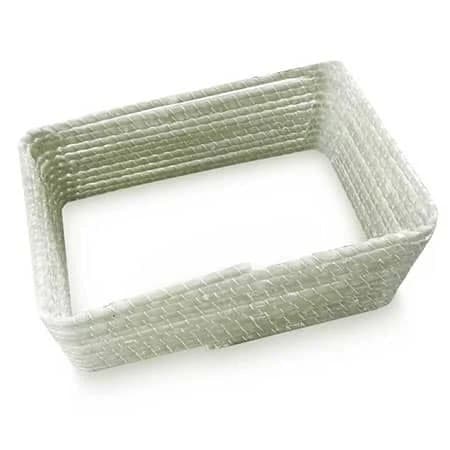 Supplier photoConcrete Reinforcement · GFRP Bent Bars, Stirrups and Mesh: How to Detail, Schedule and Order ThemWhy GFRP bends are made in the factory, what a bar bending schedule must contain, how bent-bar capacity and mesh are specified, and when to order them.
 SchematicGrating · How to Install FRP Grating: Supports, Hold-Down Clips, Cutting and Edge SealingA step-by-step FRP grating installation guide: support checks, panel orientation, hold-down clip layout, cutting, cut-edge sealing and final inspection.
 SchematicGrating · How to Read an FRP Grating Load Table: Span, Load Type and DeflectionWhat an FRP grating load table assumes, how uniform and concentrated loads are shown, how to check deflection, and what to ask a supplier for.
 Reference photoElectrical Infrastructure · FRP Cable Tray, Trunking and Ladder vs MetalCompare FRP cable tray, trunking and ladder with steel and aluminum. Learn IEC 61537 scope, load-table checks, resin selection and RFQ requirements.
 Reference photoIndustry Perspectives · China's First All-Composite Truss Bridge: Mountain AccessExplore China's first all-composite truss bridge in Pengshui: a 20 m FRP crossing for rural school access, with original project credits.
 SchematicFRP Fundamentals · Fiberglass Reinforced Plastic: Composition, Types, Properties, and UsesA practical guide to what fiberglass reinforced plastic is, how glass and resin work together, which manufacturing forms exist, and where structural GFRP is a better fit than metal or unreinforced plastic.
 Product photoEngineering Guide · FRP Material: Properties, Types, and an Engineering Selection GuideHow to read FRP material data and select the right fiber, resin, manufacturing process, test values, and design checks for a structural or industrial application.
 Illustrative photoFRP Fundamentals · FRP Full Form and Meaning: Polymer or Plastic?The FRP full form is fiber reinforced polymer or fiber reinforced plastic. This guide maps FRP, GFRP, GRP, CFRP, and fiberglass in engineering use.
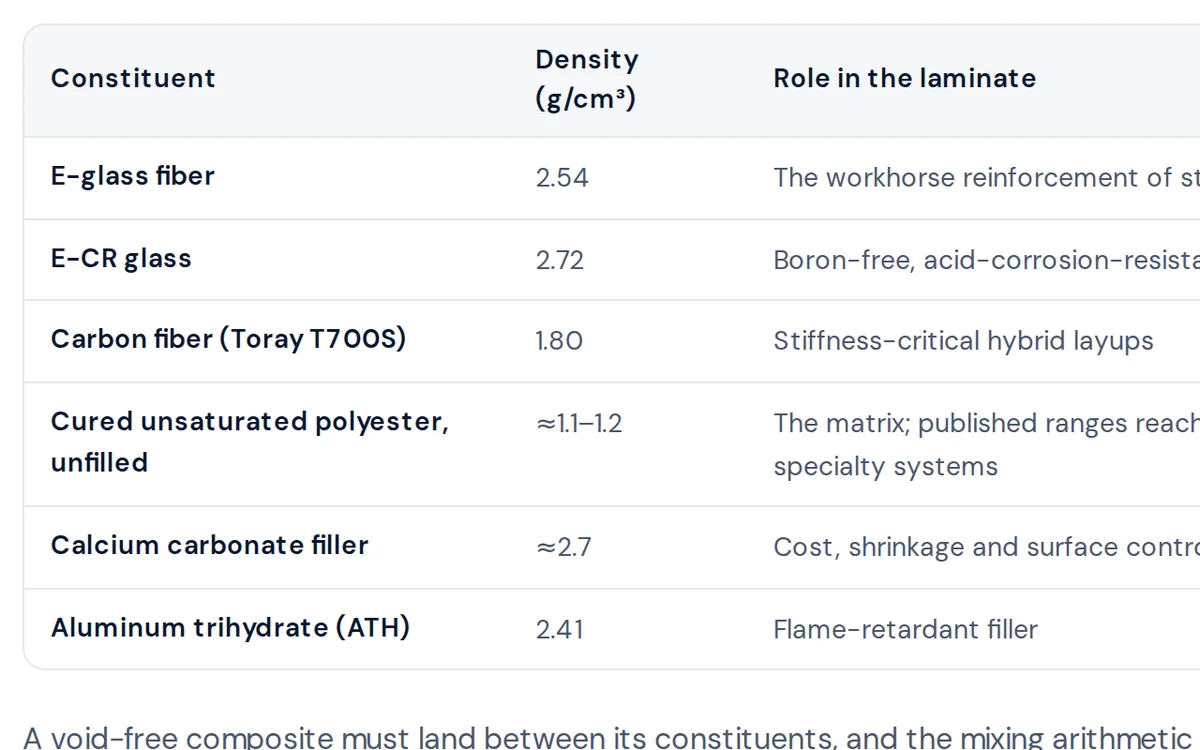 Material Science · FRP Density Explained: How Fibers, Mats, Fabrics and Resin Set the Density of a Pultruded ProfileSteel has one density. A fiberglass profile has a recipe: glass fiber at 2.54 g/cm³, cured resin near 1.2, plus fillers and voids. Where a pultruded profile lands between those poles (and what that single number tells you about the laminate inside) is all arithmetic.
 Illustrative photoThermal Performance · How the Whole-Window U-Value Is Actually Calculated (EN ISO 10077-1)Specifiers compare windows by U-value every day, yet the number on the datasheet is the output of a calculation most spec sheets never show. Here is the EN ISO 10077-1 method in full: the three-zone formula, a worked example on the reference window, why European and North American numbers refuse to match, and why the frame decides the result.
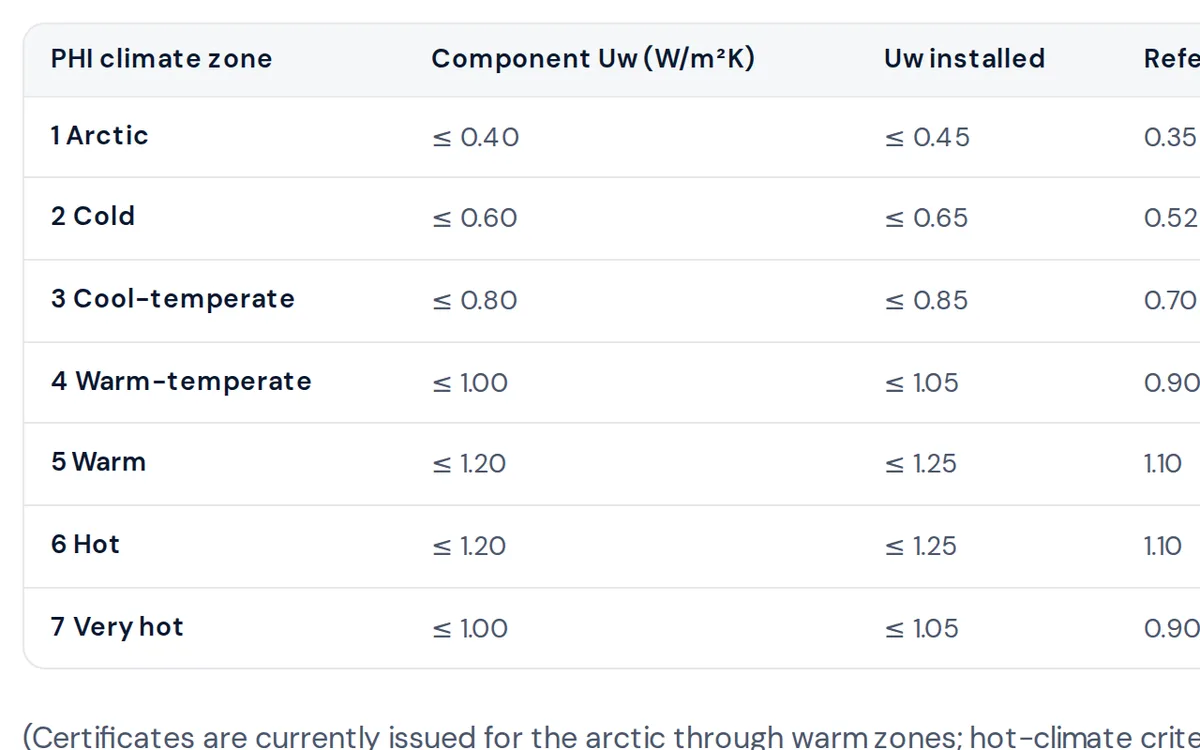 Thermal Performance · Passive House Window U-Value Requirements: PHI Climate Zones, Phius, and What QualifiesThe 0.80 W/m²K number every passive house designer quotes is real, but it is one row of a seven-zone table. It applies to the whole window rather than the glass, and it comes with an installed-state limit, a comfort criterion, and efficiency classes that decide how a window actually gets certified. Here is the full PHI requirement set, the Phius counterpart, and what frame constructions can meet them.
 Illustrative photoThermal Performance · U-Value vs SHGC: The Two Window Numbers and How to Set Them by ClimateOne number describes how a window leaks heat, the other how it harvests or blocks the sun, and specifying fenestration is largely the art of setting both for your climate. Definitions, the g-value vs SHGC reporting trap, ENERGY STAR 7.0's zone table, and where the frame material quietly shapes both numbers.
 Illustrative photoThermal Performance · Pultruded Thermal Break Profiles for Aluminum Windows: What Changes When the Break Is GFRP, Not PolyamideThe polyamide strip is one of the quiet success stories of building products: two extrusions of PA66-GF25 turned thermally hopeless aluminum frames into code-compliant windows, and two European specialists wrote the rulebook. But strip extrusion has geometric and mechanical ceilings, and wide sliding doors sit right at them. Here is what the research from Technoform and Ensinger actually establishes, and where a pultruded GFRP break changes the design space.
 Illustrative photoIndustry Analysis · How to Qualify a Chinese Fiberglass Window Profile Supplier: A 9-Point ChecklistEvery window fabricator evaluating a Chinese profile supplier asks the same underlying question: will run number forty look like run number one? This checklist turns that question into nine concrete, verifiable checks (the same ones our own customers put us through) so qualification runs on evidence instead of assurances.
 Illustrative photoIndustry Analysis · What Drives the Price of Fiberglass Window Profiles? An Honest BreakdownNobody in this industry publishes how window profile pricing actually works, which leaves buyers comparing quotes they cannot decompose. Here are the eight cost drivers, what each one does to the per-meter number, and why two quotes for 'the same profile' can differ by 40% without anyone cheating.
 Illustrative photoFenestration · Fabricating Fiberglass Window Lineals: What Changes When You Switch from uPVC or AluminumThe question every fabricator asks before ordering the first container of fiberglass lineals: how much of my line do I have to change? Here is the station-by-station answer (cutting, machining, corner joining, hardware, glazing) from the process differences that matter to the ones that only look scary.
 Illustrative photoThermal Performance · Why Aluminum Window Frames Stream Water in Cold Climates — the Physics and the FixThe service call every cold-climate building manager knows: water pooling on aluminum window sills in January, frost on the frame by February, and a mold remediation quote by spring. The window is not faulty. The frame material is doing exactly what physics says it must. Here is the mechanism, the metric that predicts it, and what actually fixes it.
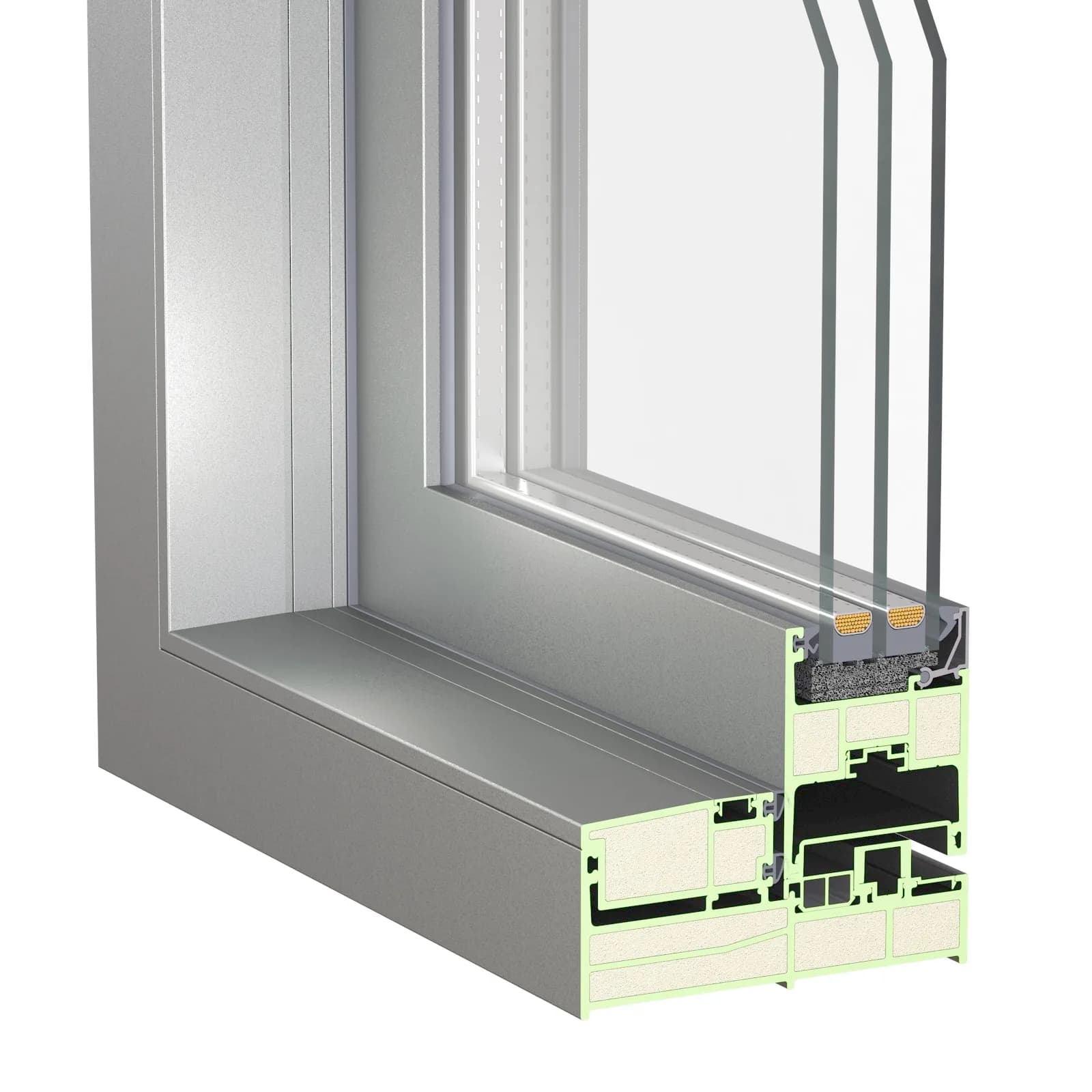 Industry Analysis · The FRP Window Profile Market: Demand Drivers, Supplier Landscape, and What Buyers Should VerifySearch interest in the 'FRP window profile market' is usually a fabricator or specifier trying to answer three practical questions: who actually supplies pultruded window lineals, what is pulling demand, and how do you qualify a supplier you have not worked with. This analysis answers those three questions without the invented market-size numbers that plague this topic.
 Illustrative photoEngineering Deep-Dive · FRP Pultruded Curtain Wall Mullions and Transoms: Why E23 Runs Out, and What Carbon/Glass Hybrid, Braided Pultrusion Is Built to SolveF1's curtain wall isolator profiles already carry glass dead load across the thermal break. The next step is harder: a primary structural mullion or transom that replaces the aluminum extrusion itself, at the stiffness a modern unitized facade demands. This is why that step needs carbon/glass hybrid reinforcement and braided pultrusion, not just more glass roving.
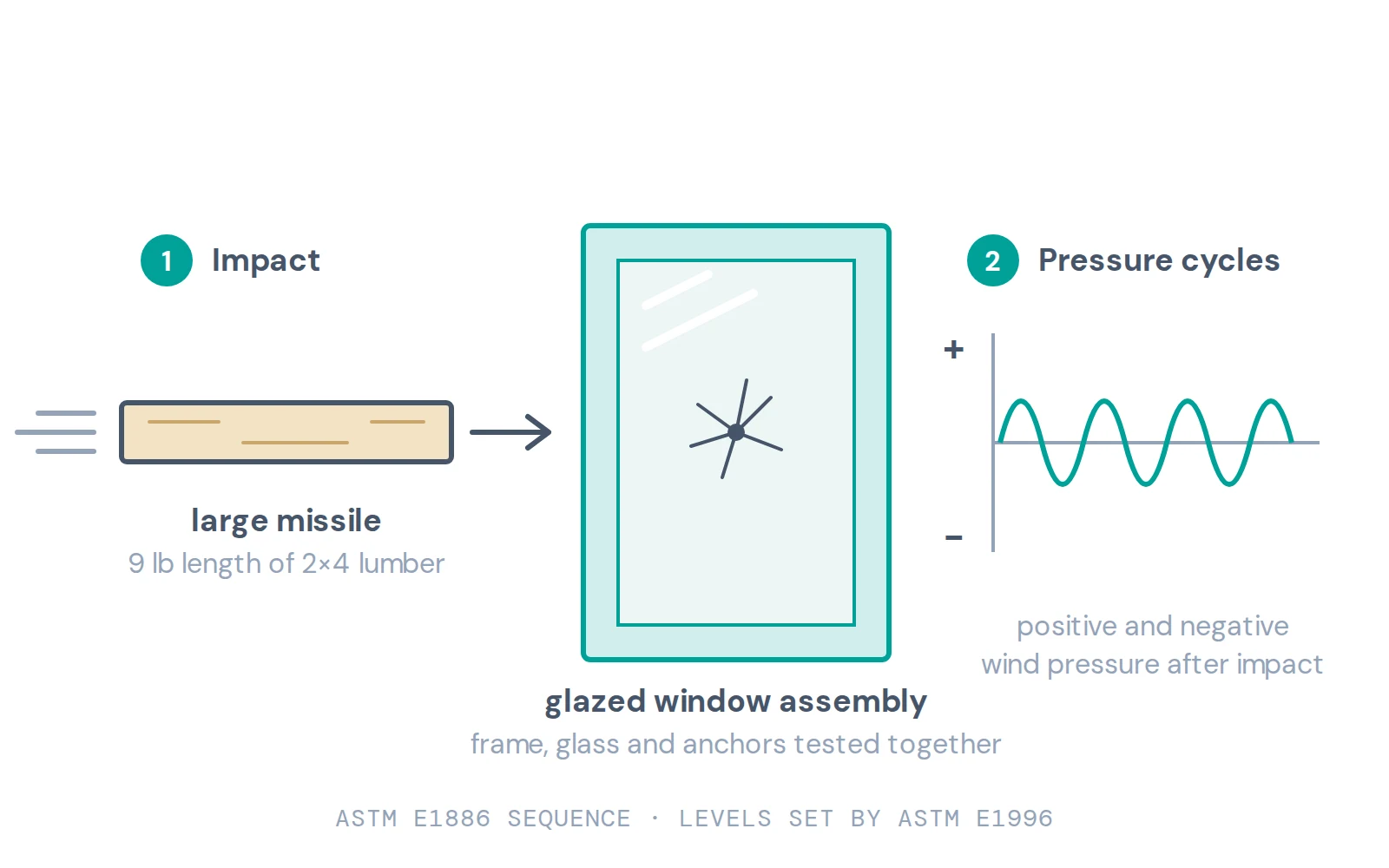 SchematicFenestration · FRP Windows in Hurricane and High-Wind Zones: What ASTM E1996 and Miami-Dade NOA Actually RequireASTM E1996, AAMA 506, and the Miami-Dade NOA govern what a hurricane-zone window has to survive. Here is what each standard actually tests, and why frame material impact behavior is only part of getting a project certified.
 Illustrative photoEngineering Deep-Dive · FRP Thermal Break Profiles for Curtain Walls: The Isolator Is a Structural Member, Not a SpacerThe thermal break in a curtain wall is not the same part as the thermal break in a window. It sits in the primary load path: clamped by pressure-plate screws, pulled by wind suction, and on transoms, loaded around the clock by the dead weight of the glass, transverse to the pultrusion axis. That load case is why F1 laminates isolator profiles with balanced 0°/90° moduli.
 Illustrative photoOil & Gas · Pultruded FRP Pipe in Oil and Gas: Where Pultrusion Actually FitsPultruded FRP does not replace filament-wound high-pressure trunklines. It earns its place in oilfield piping where loads are axial or pressure is low to moderate: threaded line pipe, gathering lines, fuel-station double-wall pipe, and continuous sucker rods.
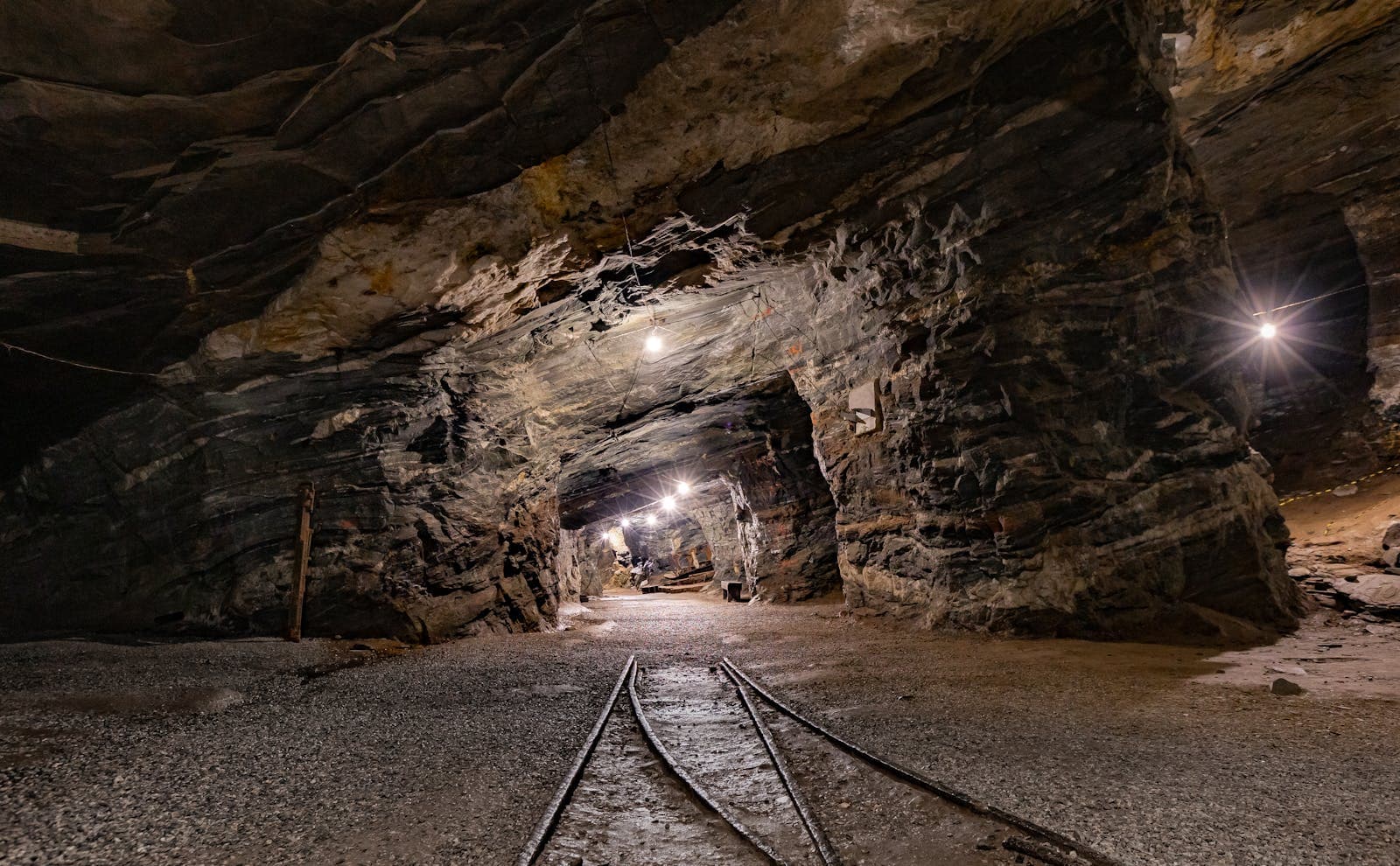 Illustrative photoCoal Mine Safety · Pultruded FRP Pipe for Coal Mine Gas Drainage: Anti-Static and Flame-Retardant by DesignDraining methane underground demands a pipe that will not spark and will not carry flame. Pultruded GFRP pipe, anti-static and flame-retardant by formulation, is one of the few cases where pultrusion is the best process, not a compromise.
 Illustrative photoEnergy · GFRP Pultruded Spar-Cap Laminate for Wind Blades — Fatigue Performance and Design UseWE-G80 is F1 Composite's high glass-content unidirectional pultruded laminate for the spar caps of medium-length wind blades. The article walks the tension-tension S-N fatigue data per ISO 13003 and shows how blade designers should turn the P95 / 95 % confidence design line into a layup that survives 10⁷ cycles.
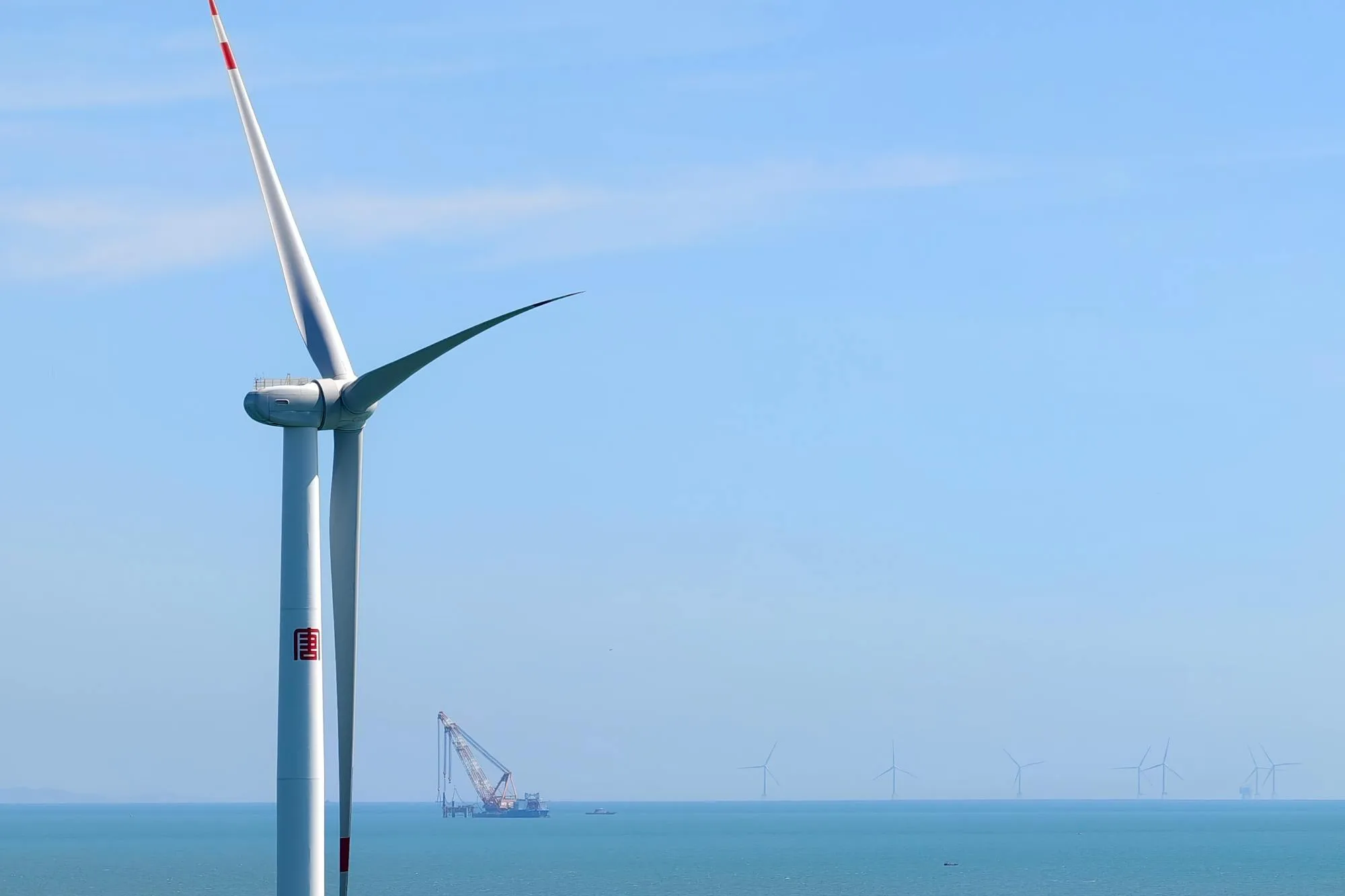 Illustrative photoEnergy · CFRP Pultruded Spar-Cap Laminate for Wind Blades — Static Characteristic Values per DNVGL-ST-0376WE-C100 is F1 Composite's unidirectional carbon / epoxy pultruded laminate for the spar caps of long wind blades. The article walks the full static mechanical data (tension, compression, shear, flexure, ILSS) and explains how the DNVGL-ST-0376 characteristic value Rk differs from the panel average, and why blade designers must build the layup on Rk rather than the mean.
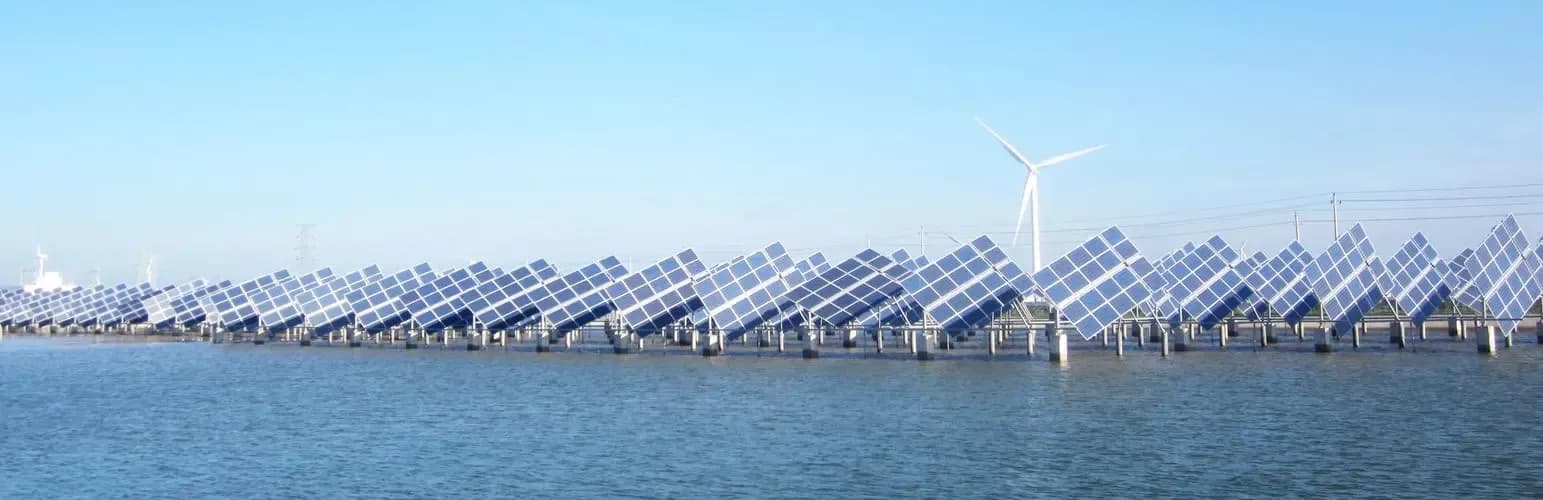 Reference photoEnergy · Pultruded FRP for Offshore, Tidal, and Fishery-PV Solar Mounts and Module FramesOffshore, tidal-flat, and wind-solar-fishery PV plants expose mounts and module frames to salt, humidity, UV, and constant vibration. Pultruded FRP covers both the mounting structure and the module frame because it does not corrode, does not conduct electricity and needs no recoating.
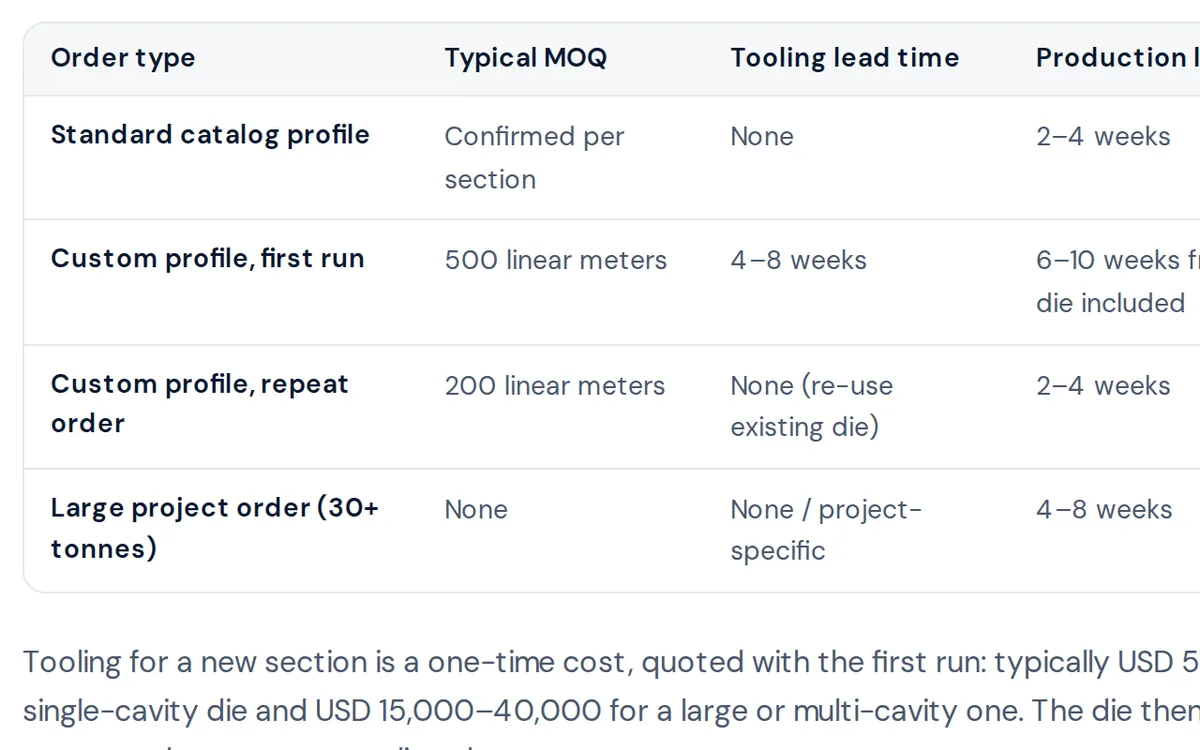 Procurement Guide · How to Source Pultruded FRP Profiles Directly from China — 2026 Buyer's GuideA buyer's guide for sourcing pultruded FRP profiles directly from a Chinese manufacturer in 2026: how to qualify factories, what MOQ and lead times to expect, RFQ checklist, EN 13706 / ASTM D3917 verification, Incoterms, container loading, and how to avoid the 5 most common procurement mistakes.
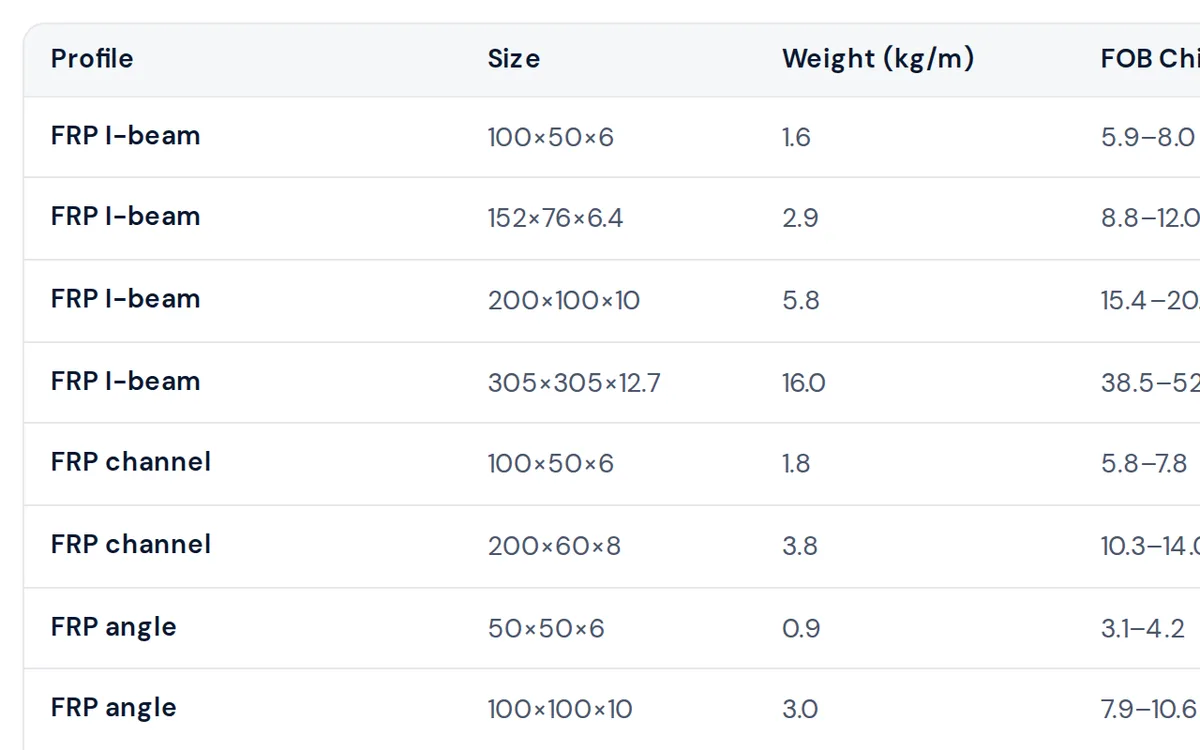 Procurement Reference · FRP Profile Cost Benchmarks, MOQ, and Lead Times — 2026 Reference2026 reference benchmarks for pultruded FRP profile pricing, MOQ, custom tooling lead times, container freight rates, and Incoterms cost deltas: calibrated against direct-from-factory China sourcing.
 Illustrative photoEngineering Deep-Dive · FRP Lift-Sliding Door — AS 2047 Engineering Deep-Dive on a 3m × 2.4m Pultruded GFRP Patio DoorHistorical report review: Intertek tested a 3000 × 2400 mm 140 Series Lift-Sliding Door to AS 2047-2014 / AS/NZS 4420.1-2016. Review the specimen and conditions before using these results; this report is not automatic evidence for the current 140 compression-seal door.
 Product photoMaterial Innovation · The Surface Finish Question — How Transverse-Reinforced Pultrusion Removes Glass-Fiber Telegraph from FRP Window ProfilesWhy premium architectural fenestration still chooses aluminum over fiberglass, and how a transversely reinforced pultrusion architecture places cross-direction reinforcement deeper in the profile to produce powder-coated finishes that are indistinguishable from aluminum.
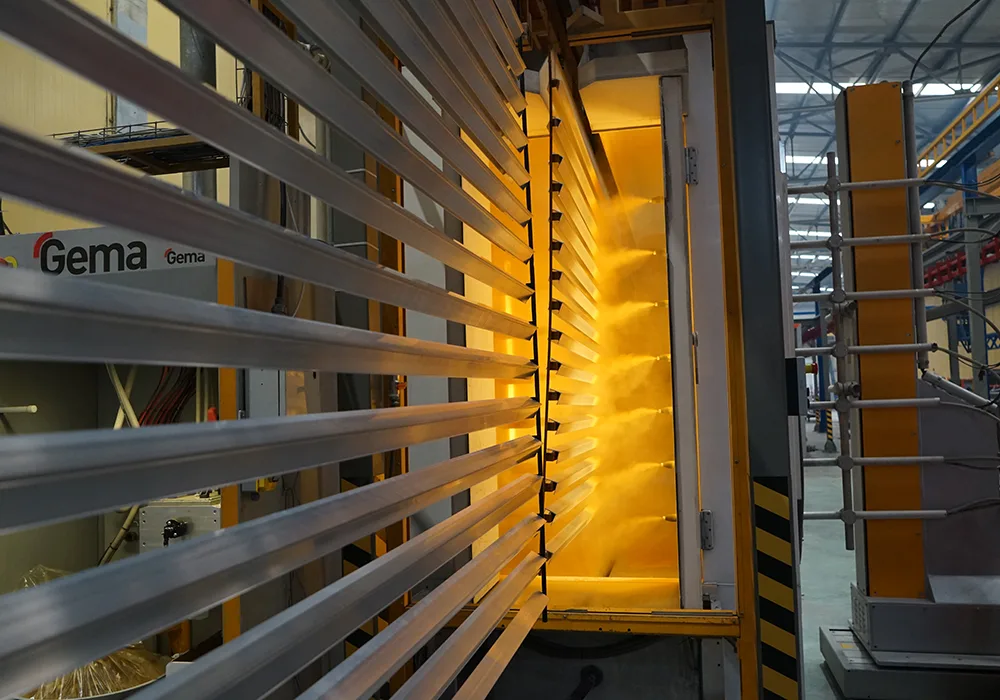 Reference photoFenestration · Powder-Coated FRP Window Profiles: How to Get an Aluminum-Grade Finish with Superior Thermal PerformancePultruded FRP window profiles can now achieve the same sleek, metallic finish as aluminum frames through architectural-grade powder coating, without sacrificing the thermal insulation, corrosion resistance, and dimensional stability that make fiberglass window frames superior.
 Report photoSustainability · Thermoset FRP Is Now Recyclable: How Chemical Degradation Recovers Glass Fibers and ResinThermoset FRP composites were long considered non-recyclable. A new chemical degradation process dissolves cured polyester and vinyl ester matrices at just 100 °C, recovering clean glass fibers for reuse and reclaiming the solvent in a closed loop.
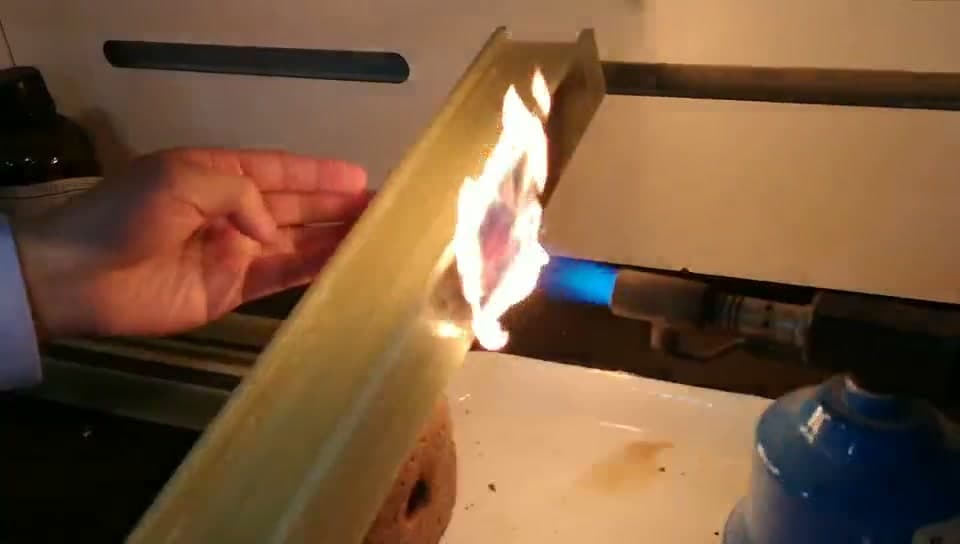 Reference photoTechnical Guide · Fire Resistance of FRP Profiles: Ratings, Resin Chemistry, and Real-World ApplicationsHow do pultruded FRP profiles behave in fire? This guide explains the fire-resistance mechanisms of fiber reinforced polymers, the role of resin chemistry and flame-retardant additives, classification standards from Euroclass to ASTM E84, and where fire-rated FRP is already deployed.
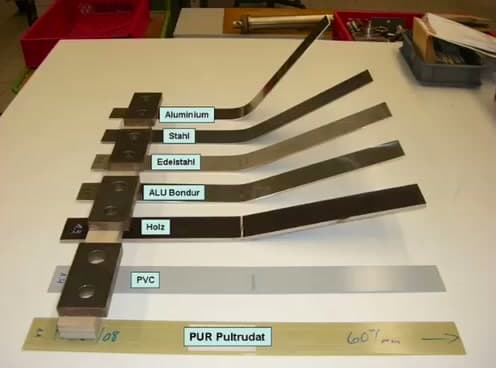 Reference photoMaterial Science · Pultruded FRP vs Steel, Aluminum, PVC, and Wood: Impact Resistance Under 3-Point Bending Drop TestA 3-point bending drop test by Covestro's polyurethane research team puts seven materials head-to-head: sheet steel, stainless steel, two aluminum alloys, PVC, plywood, and polyurethane pultruded composite. The results reveal why FRP's unique combination of toughness and elastic recovery outperforms every conventional alternative.
 Illustrative photoMarket Analysis · GFRP Fenestration Passes AS 2047: What It Means for the Australian Window and Door MarketIntertek reports document AS 2047-2014 testing of an 80 Series turn-and-tilt window and a historical 140 Series Lift-Sliding Door specimen. Results apply to the stated specimens and test conditions; they do not automatically establish project compliance or cover the current 140 Series Compression-Seal Sliding Door.
 Illustrative photoLifecycle Analysis · Why Pultruded FRP Profiles Are Replacing Steel in Coastal InfrastructureCoastal infrastructure is among the harshest service environments for structural materials. Installed FRP on marinas, piers and offshore structures now has 20 to 30 years of service history: the profiles weigh about 75% less than steel, do not rust and need no recoating.
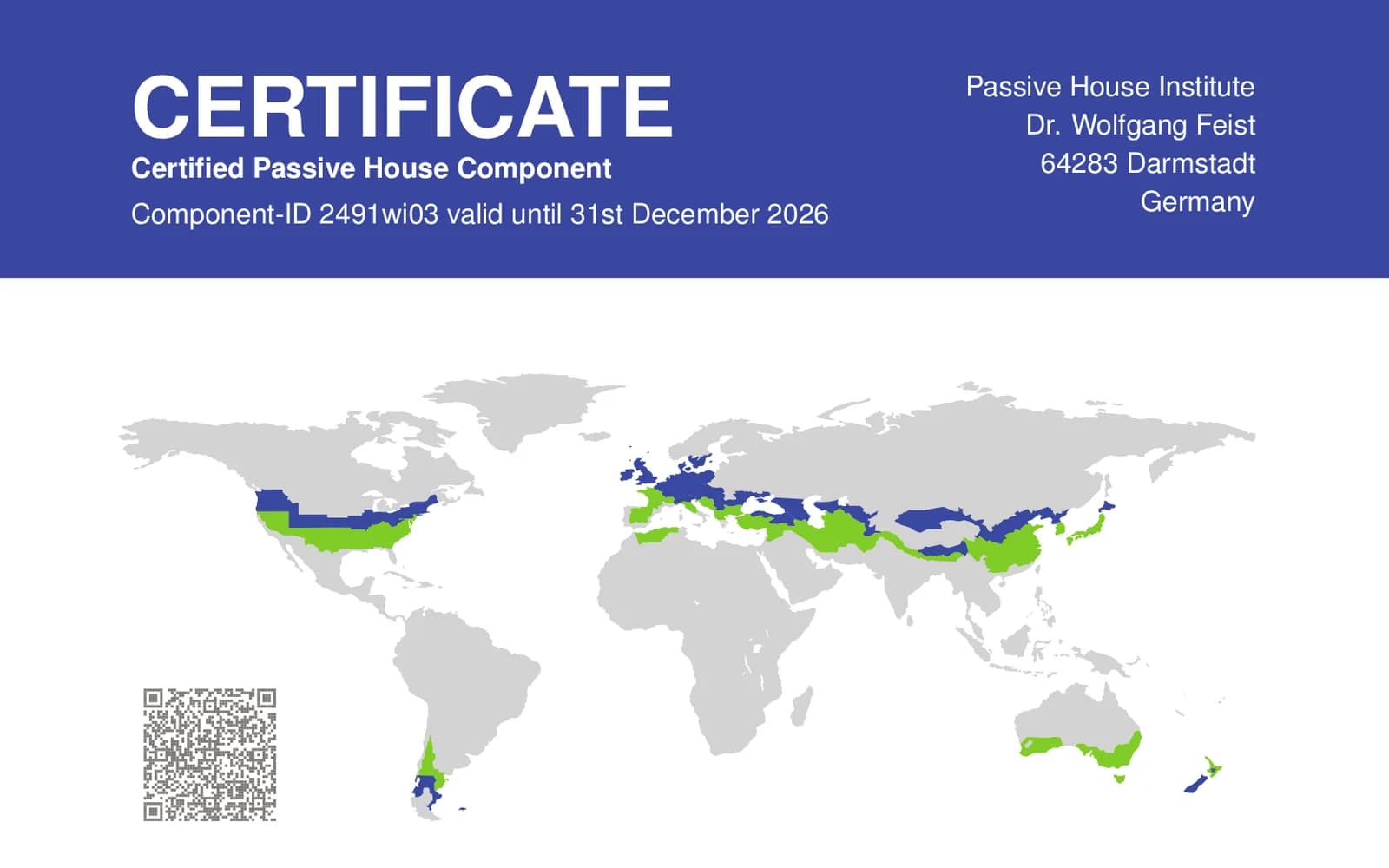 Thermal Performance · FRP Fenestration: How Pultruded Window Frames Achieve Passivhaus CertificationPultruded FRP window frames achieve Passivhaus certification through inherent material properties: 500x lower thermal conductivity than aluminum, CTE matching glass, and slim profiles that maximize glazing area.
 Illustrative photoIndustry Analysis · The Biggest Pain Point in Pultrusion Today: Qualification Speed, Not CapabilityPultrusion can already deliver strong, corrosion-resistant, repeatable composite sections. The biggest pain point today is how slowly projects qualify, approve, and scale those sections into real specifications.
 Illustrative photoIndustry Trends · Pultrusion Industry Trends in 2026: Standards, Sustainability, and Faster QualificationStandards bodies, leading manufacturers, trade shows, technical symposia, and patent filings all point the same way in 2026: the bottleneck is qualification speed, not whether pultrusion works.
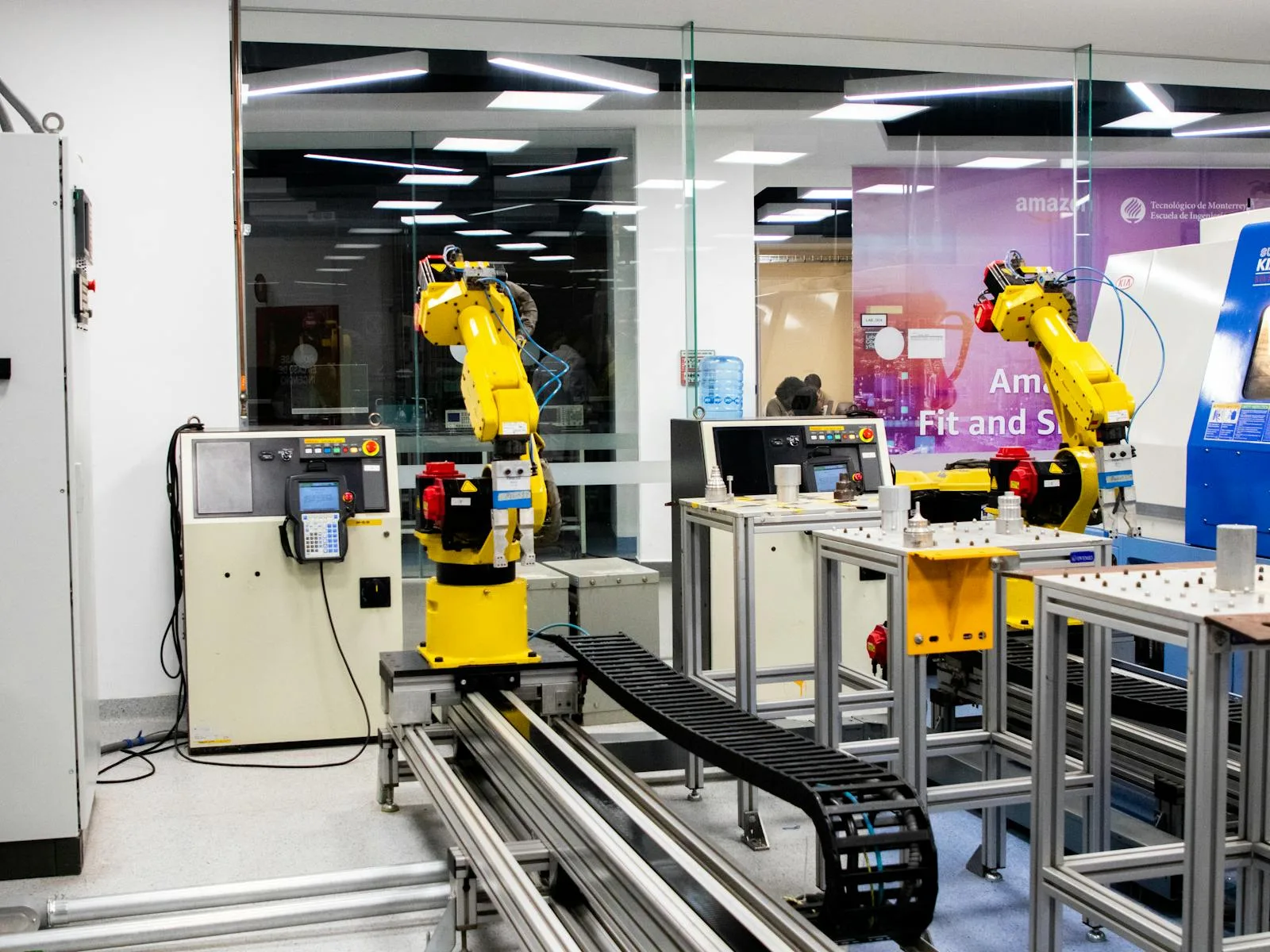 Illustrative photoIndustry Insight · The 7 Questions the Pultrusion Industry Cares About Most in 2026In 2026 the pultrusion conversation has shifted from proving the material exists to proving it can be specified, qualified, priced, and scaled with less friction. These are the seven questions shaping that discussion.
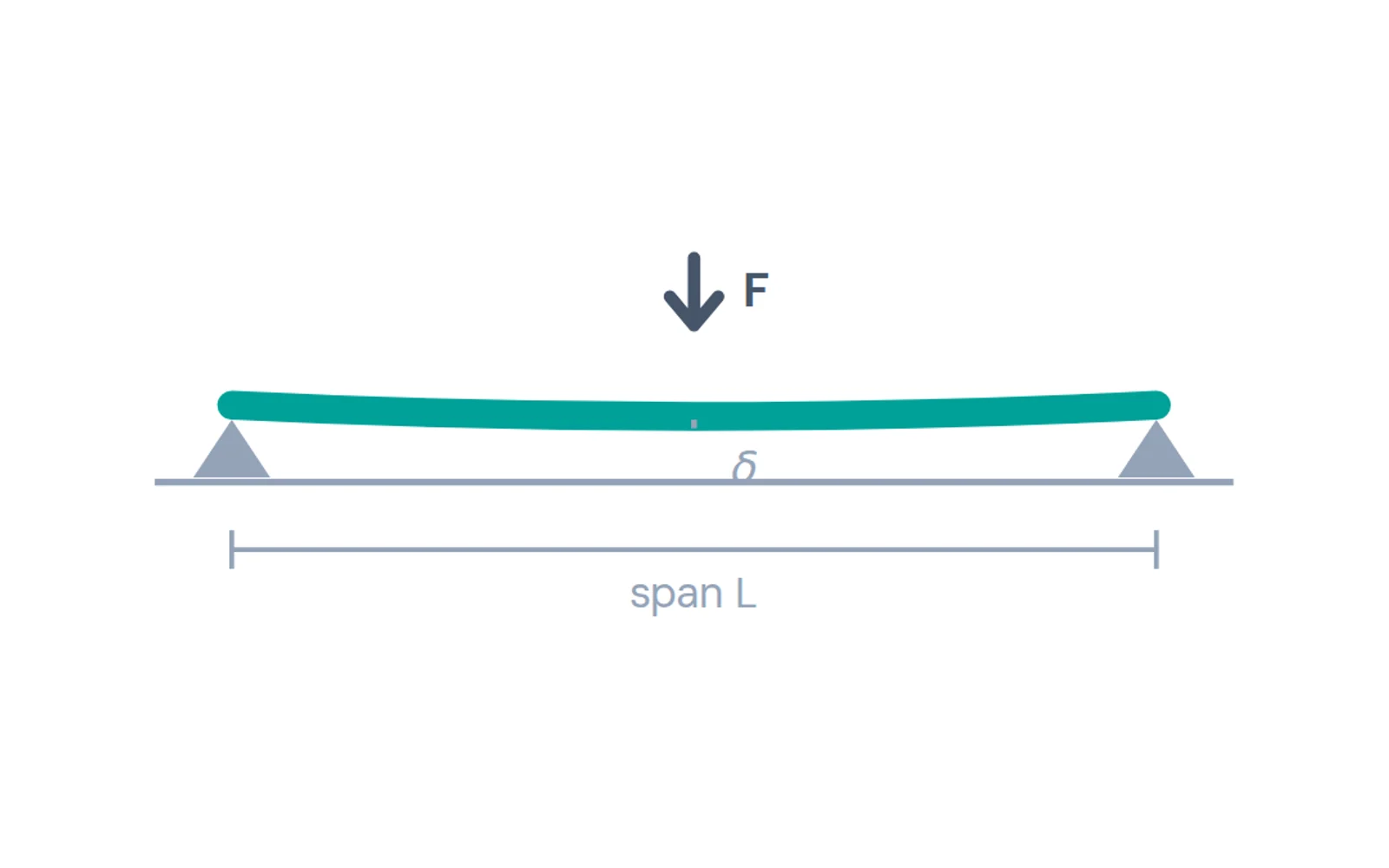 IllustrationEngineering FAQ · The 10 Questions Engineers Ask Most Before Specifying Pultruded FRPEngineers rarely reject pultruded FRP because they dislike the material. They reject it when key design questions are left vague. These are the ten questions we hear most before a specification moves forward.
 Illustrative photoInfrastructure · FRP Bridge Deck Design: Engineering Considerations and Specification GuideFRP bridge decks are 80% lighter than concrete, enabling longer spans and rapid installation. This guide covers design criteria, deflection limits, durability, and lifecycle cost analysis.
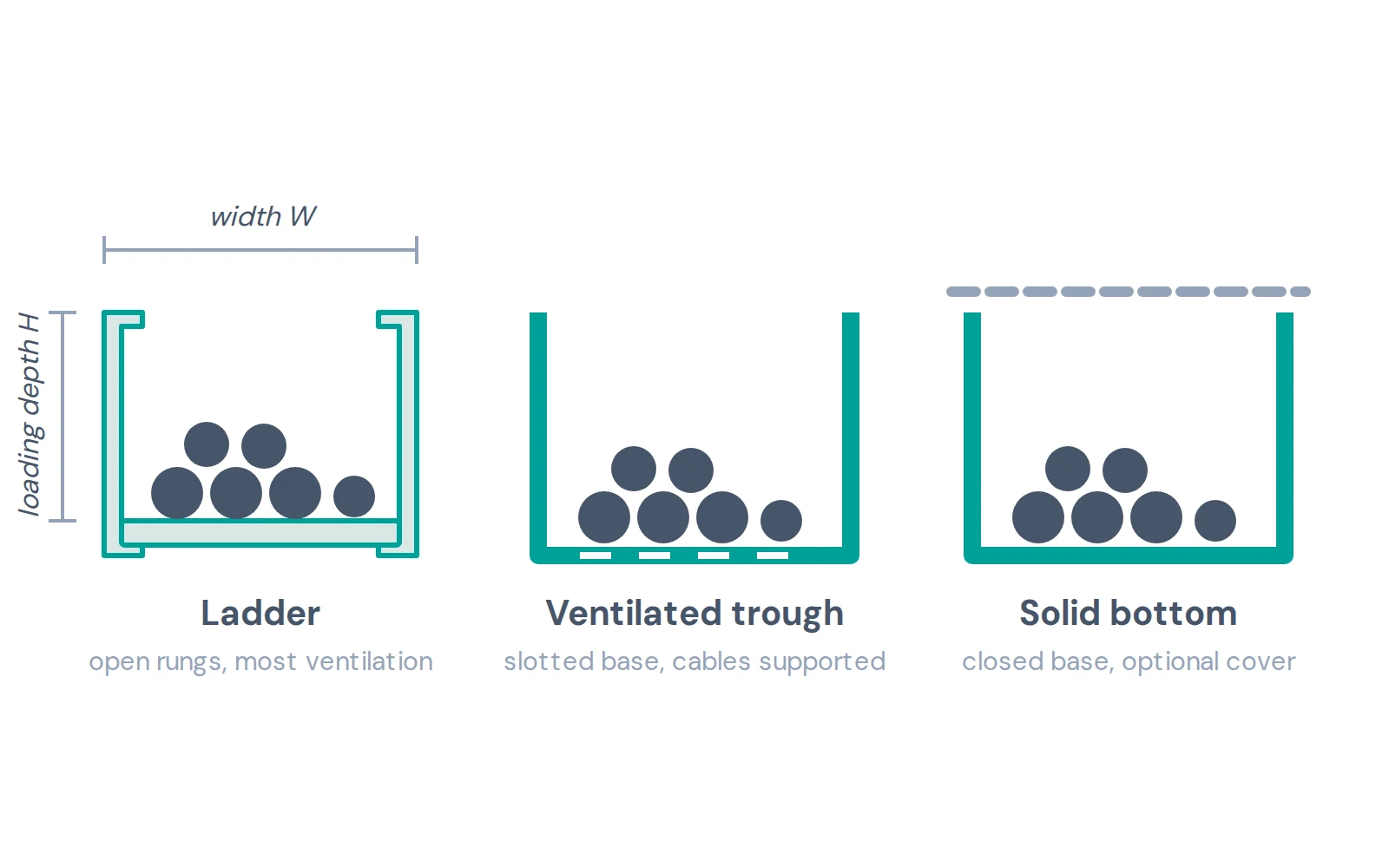 SchematicElectrical Infrastructure · How to Specify FRP Cable Tray: Loads, Standards and an RFQ ChecklistSpecify FRP cable trays with verified load, span, resin and fire evidence. Understand IEC 61537 scope and compare complete cable support systems.
 Illustrative photoIndustrial Systems · FRP Grating Lifecycle Cost: Compare Complete Systems with SteelBuild an FRP-versus-steel grating lifecycle comparison using equivalent performance, panel weights, installation quotations and explicit maintenance assumptions.
 Illustrative photoFenestration · Thermal Performance of FRP Window Frames: Uf, Thermal Bridging and CondensationPultruded FRP window frames deliver thermal conductivity 500× lower than aluminum. We break down the physics, the U-value impact, and the energy savings.
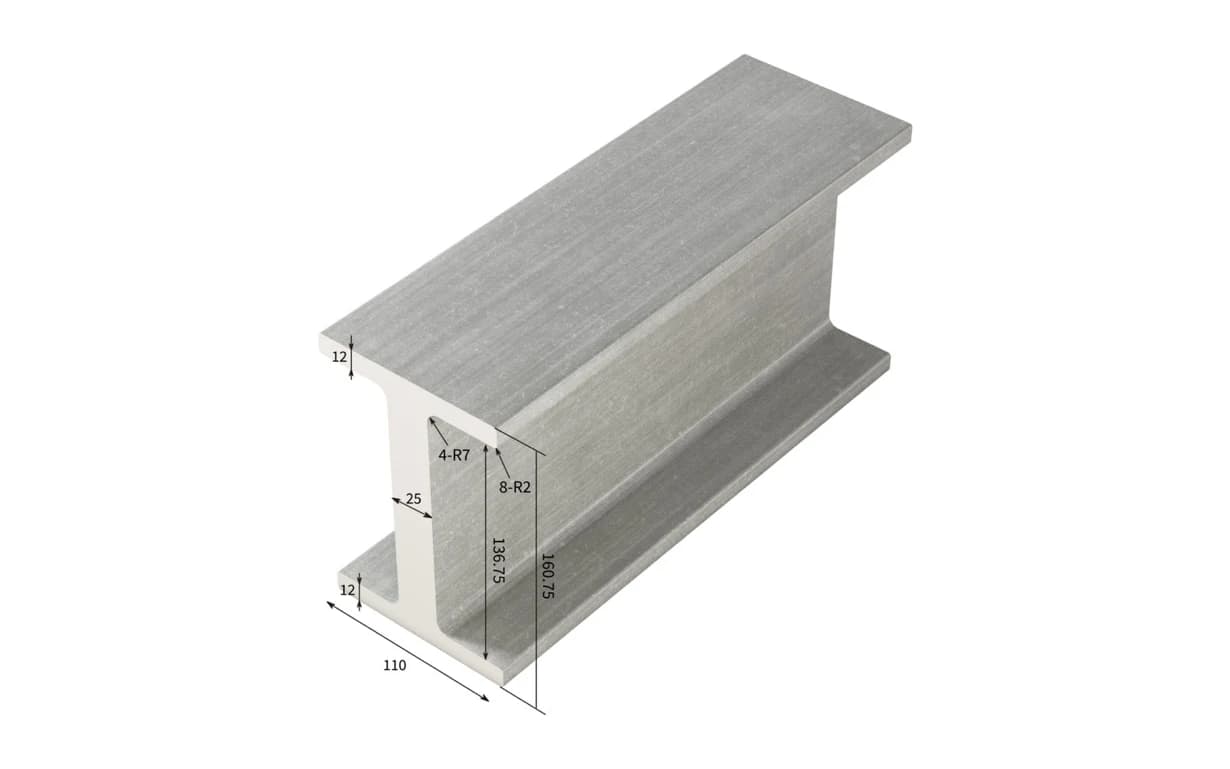 Material Comparison · FRP vs Steel for Structural Profiles: A Data-Driven ComparisonAn engineering comparison of pultruded FRP and structural steel across weight, corrosion resistance, thermal conductivity, lifecycle cost, and environmental impact.
Have a question an article does not answer?
Send the question with the product, the service conditions and the project stage. We reply within one business day.