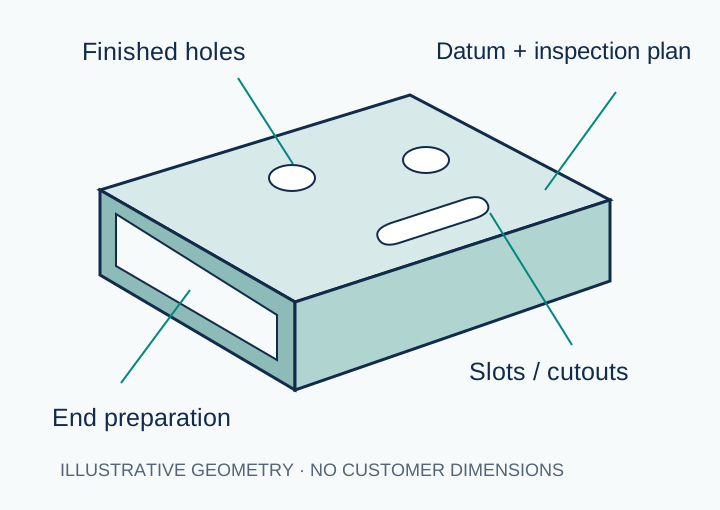
 Schematic · not to scaleFabricationFRP profile machiningIllustrated cutting, drilling, slots and notches. Define feature tolerances, datums, first-article checks and the records needed for a machined-profile inquiry.Read the guide
 Technology
Pultrusion technology and engineering data
How pultruded FRP is made, how it compares with steel, aluminum and concrete, which resin to choose, and how to specify and test a profile, with the calculators that go with them.
Pultrusion engineering resources 9 guides
Process control sets the material properties, testing confirms them, and the know-how transfer programs pass the method on to other producers.
- Schematic · not to scaleFabricationFRP profile machiningIllustrated cutting, drilling, slots and notches. Define feature tolerances, datums, first-article checks and the records needed for a machined-profile inquiry.Read the guide
 PerformancePultruded profile performanceDimensions, physical and mechanical properties, thermal behavior, electrical insulation, fire and chemical resistance: specify the test methods, conditions and supporting evidence for your profile.Read the guide
 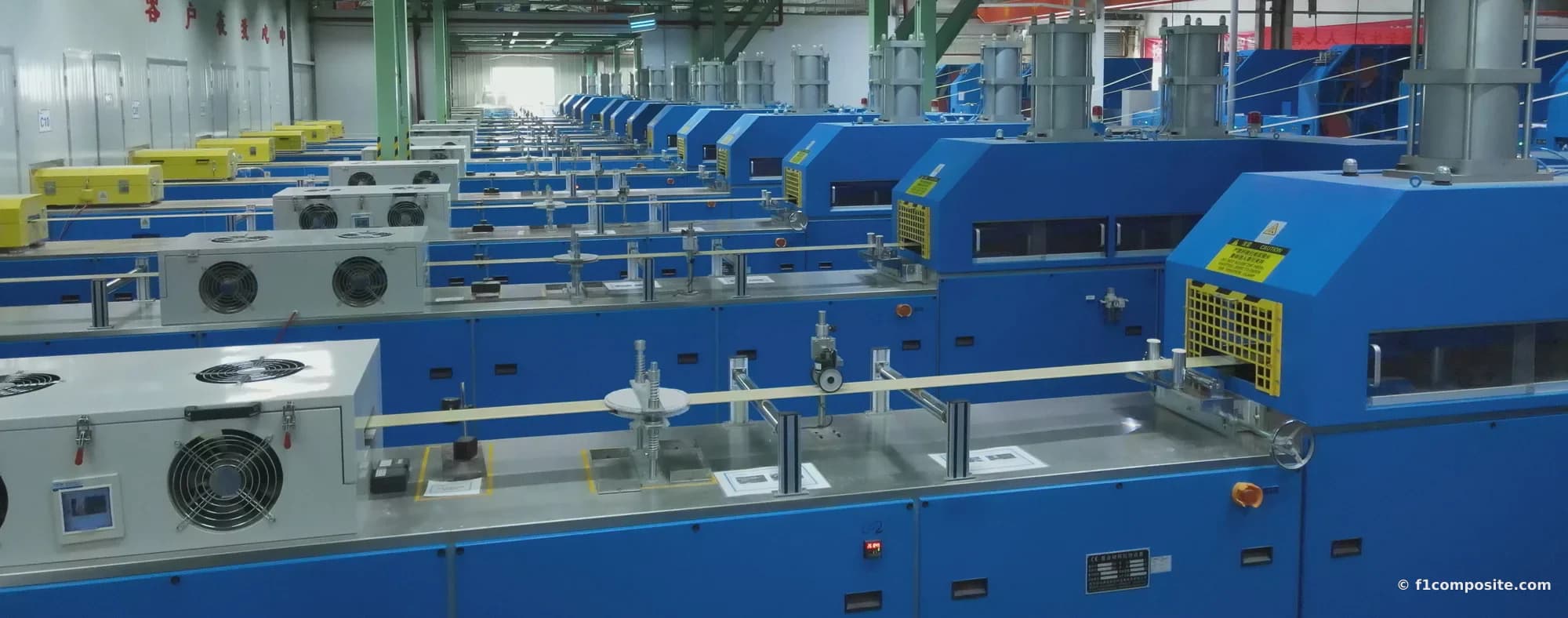 Production photoProcessThe pultrusion processContinuous manufacturing of constant-cross-section FRP profiles through fiber reinforcement, resin impregnation, heated die forming, and precision pulling. Our lines deliver repeatable mechanical properties at industrial throughput.Read the guide
  Illustrative photoMaterialsFRP vs traditional materialsHow FRP compares with steel, aluminum, timber and concrete on weight, corrosion, insulation and stiffness, property by property, with the limits of each.Read the guide
 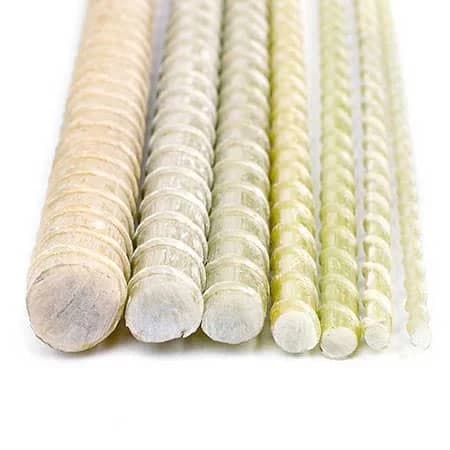 Supplier photoEvidenceFiberglass rebar vs steelCompare GFRP and steel reinforcement using FHWA, MnDOT, university-lab and ASTM evidence on tensile behavior, stiffness, corrosion, cracking and lifecycle cost.Read the guide
  Illustrative photoMaterialsPultrusion resin systemsCompare polyester, vinyl ester, polyurethane, epoxy and phenolic resin families. Define chemical concentration, temperature, exposure, UV and the evidence needed for a specific formulation.Read the guide
 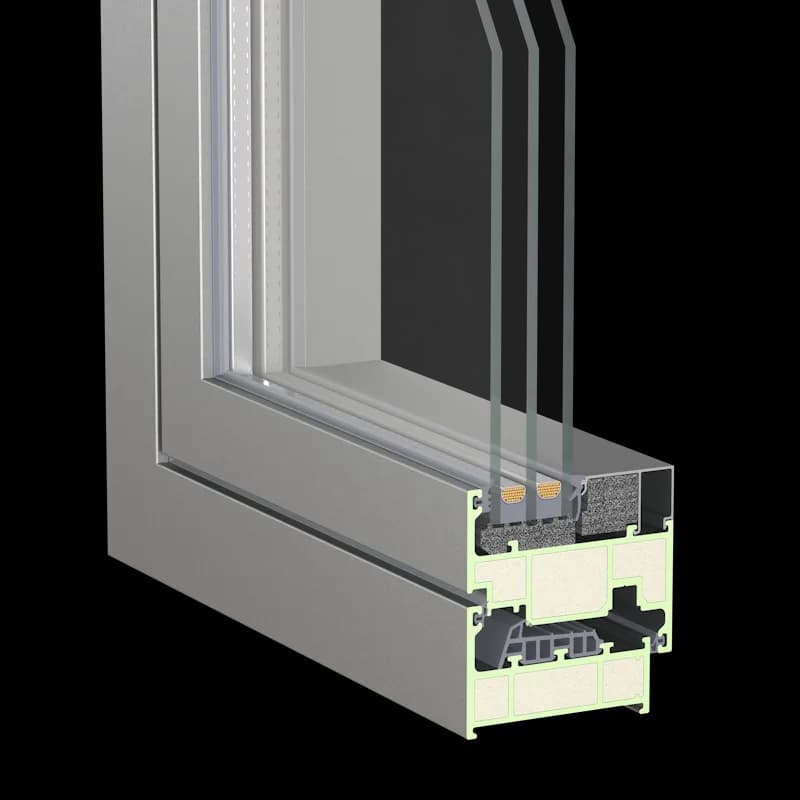 MaterialsPolyurethane pultrusion windowsGFRP-PU window frame technology: why polyurethane resin outperforms polyester on cross-fiber strength, thin walls, and deep-cold toughness, the chemistry behind our PHI-certified 90-series and the Qinling Antarctic windows.Read the guide
  Illustrative photoQualityQuality and testingMatch test reports and certificates to the product you are buying, and agree the inspection records for the order.Read the guide
 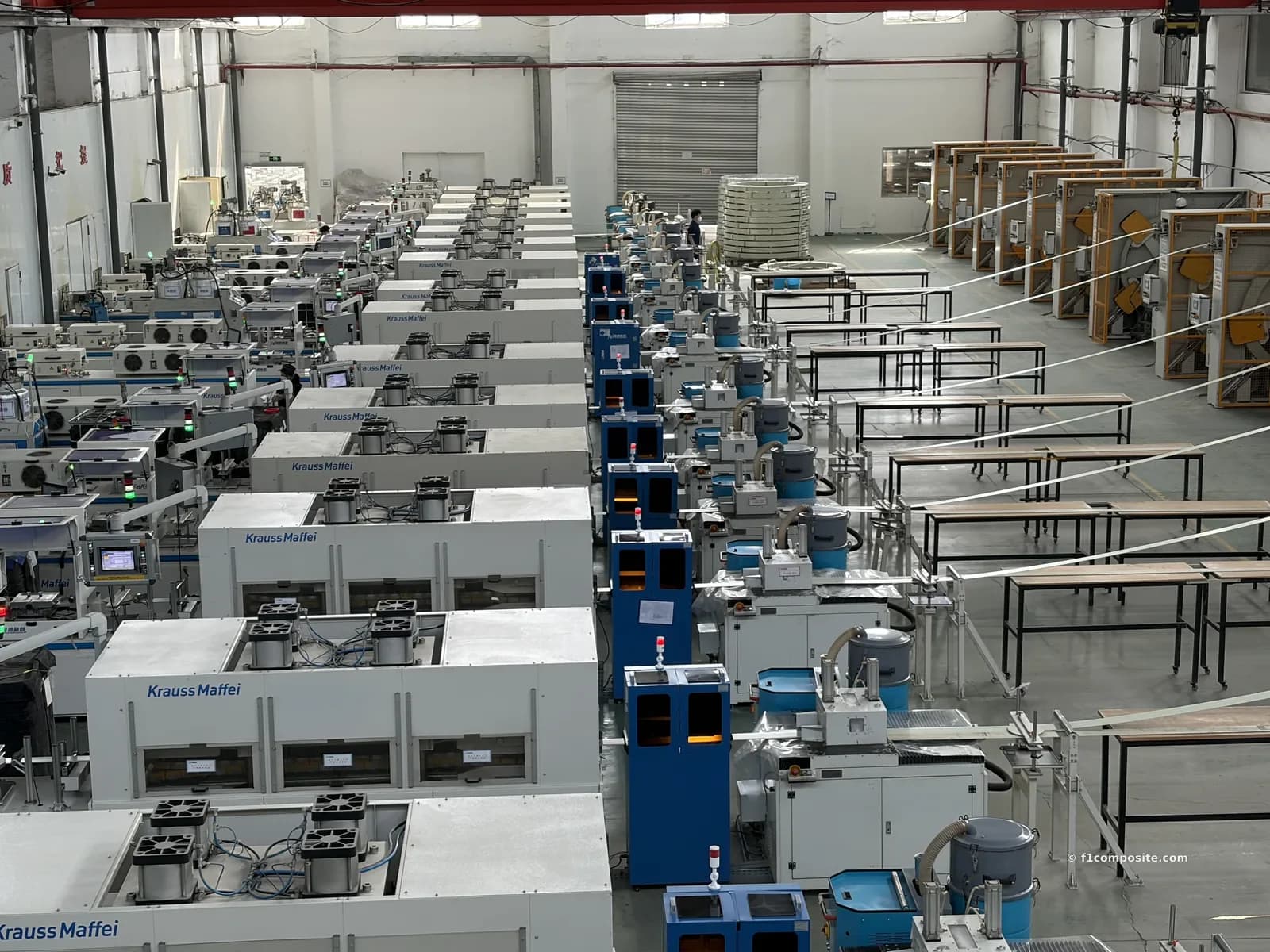 Production photoServicesKnow-how and servicesFrom consulting engagements to full turnkey pultrusion line installations, our engineering team transfers decades of composite manufacturing expertise to your operation.Read the guide
Calculators
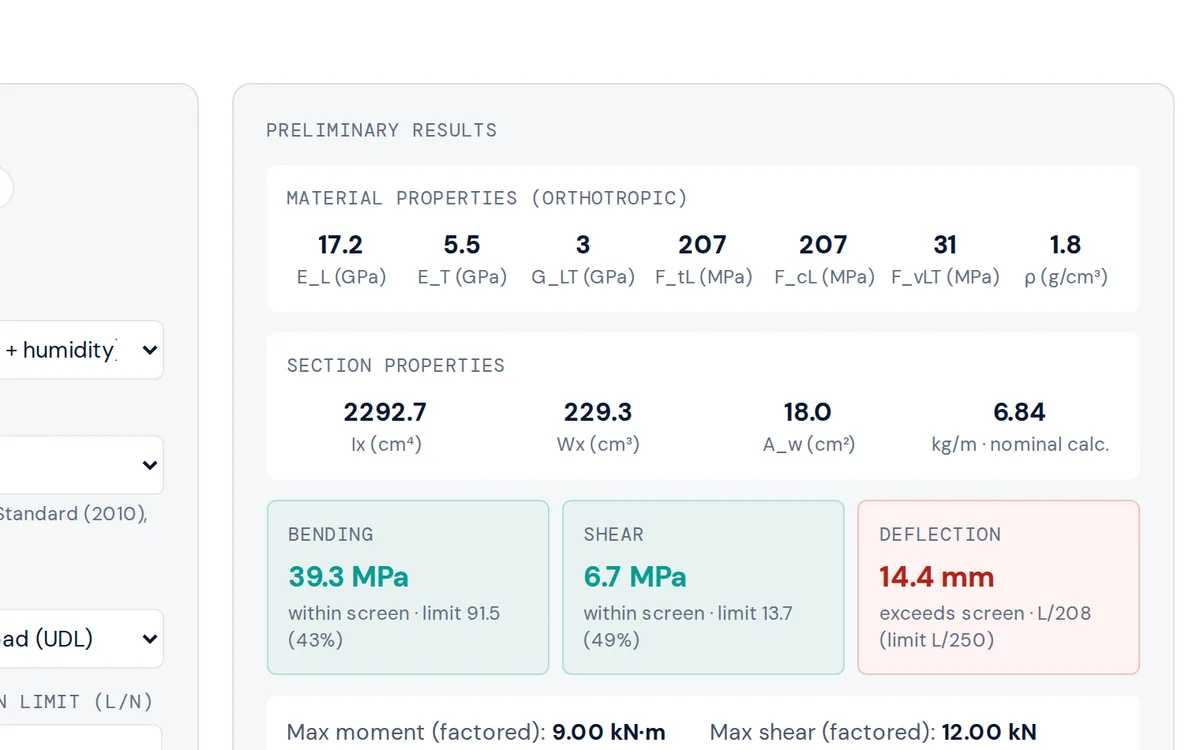
- Free toolFRP profile calculator Check beam deflection and bending stress, and find FRP sections to compare with a steel or aluminum member.
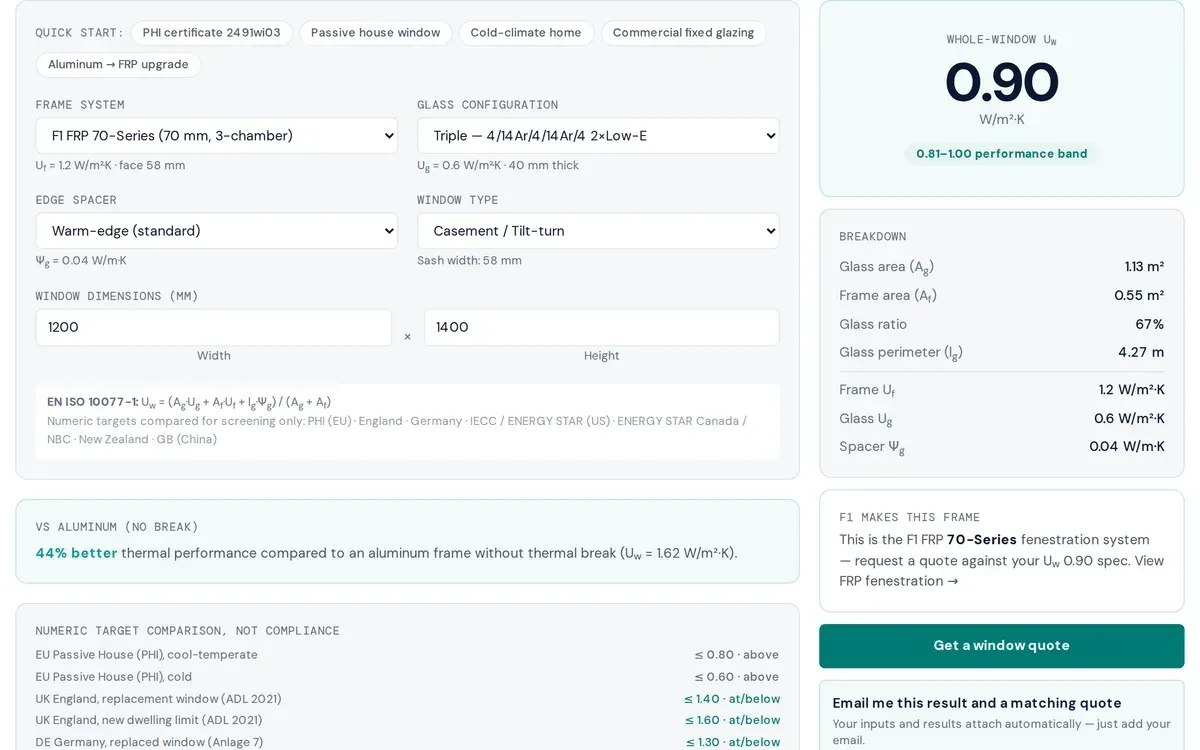
- Free toolWindow U-value calculator Calculate whole-window thermal transmittance (Uw) per EN ISO 10077-1. Compare FRP, aluminum, PVC, and timber frames with double, triple, and quadruple glazing.
FRP engineering: short technical answers
Concise, citation-ready responses to the questions our engineering team is asked most often. For deeper context, see the pultrusion process, FRP vs traditional materials, and quality testing pages.
What design code governs pultruded FRP structures?
In North America, ASCE/SEI 74-23 (Pre-Standard for LRFD of Pultruded FRP Structures) is the primary reference. In Europe, EN 13706-1/2/3 defines grades E17 and E23 and test methods. Additional references include the EUROCOMP Design Code and ACI 440 guidelines for FRP rebar.
What tolerance can pultrusion achieve?
Cross-section tolerances follow the profile standard, EN 13706-2 or ASTM D3917, by dimension and wall thickness; straightness and twist are specified per meter of length. The tolerances for an order are those on the approved drawing, checked by dimensional inspection of the production run.
What fiber content is typical in pultruded FRP?
45–65% glass fiber by weight in general structural profiles, verified by burn-off testing per ASTM D2584. Unidirectional-dominant sections (e.g. flat bar, rod) can reach 70% glass for maximum stiffness-to-weight.
What is the typical elastic modulus of pultruded FRP?
Longitudinal elastic modulus is 17–28 GPa for E-glass/polyester pultruded profiles, compared with 200 GPa for steel and 69 GPa for aluminum. Because modulus is lower, deflection (L/360 limit) typically governs FRP design rather than strength.
How are FRP profiles connected on site?
Bolted connections (stainless steel A2/A4 or FRP bolts) are most common, with minimum edge distance 4× bolt diameter and torque M12 = 20–30 Nm. Adhesive bonding (methacrylate or epoxy) or hybrid bolted-bonded joints are used for load-critical connections. No welding: thermoset FRP cannot be welded or heated.
What fire performance can FRP achieve?
Standard polyester FRP is not fire-retardant. Fire-retardant resin systems are used where a surface-burning class such as ASTM E84 Class 1 is required, and phenolic profiles where low smoke and toxicity matter, as in rail interiors under EN 45545-2. Fire reports are issued for a specified formulation and profile, so name the classification your project needs.
Need technical guidance for your FRP project?
Send the dimensions, quantity, service conditions and destination. We reply within one business day.