Quick answers for engineers and procurement teams comparing pultruded fiberglass structural shapes against steel and aluminum options.
Which FRP profile do I need for my application?
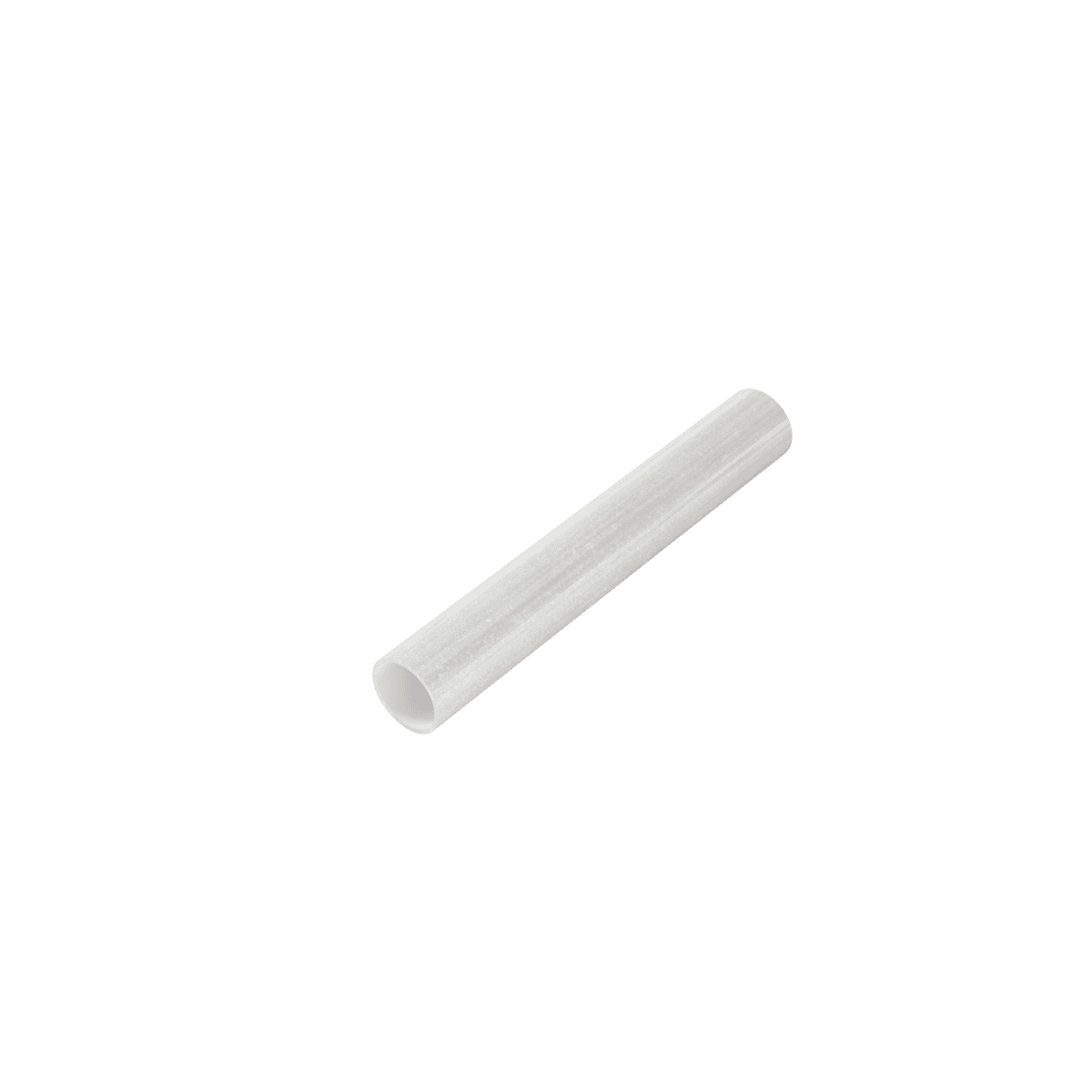
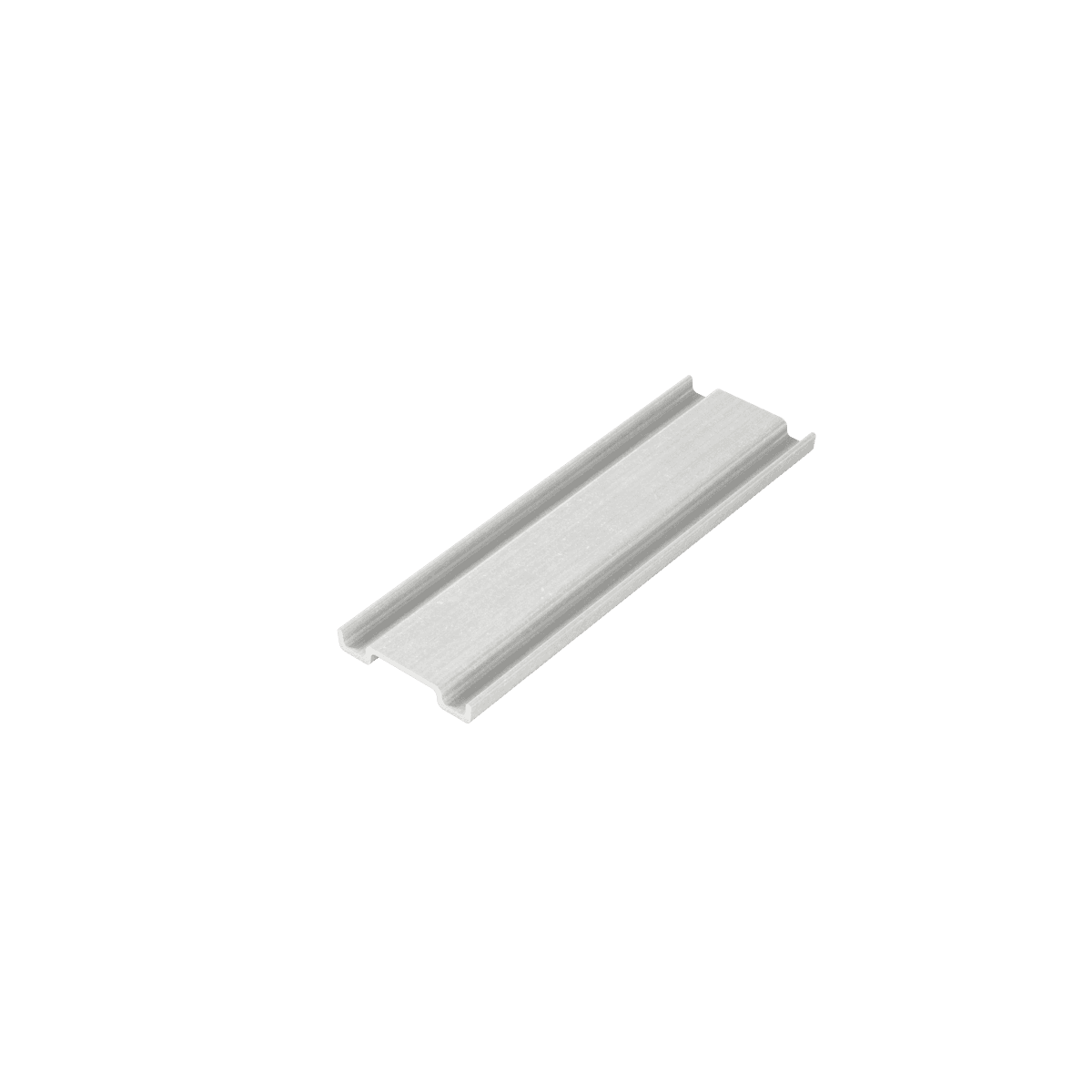
For walkways, platforms, and bridges → FRP I-beam (max stiffness). For framing, cable trays, modular skids → FRP channel. For stiffeners, bracing, ledgers → FRP angle. For trusses, columns, frames → FRP square tube (max torsional rigidity). For handrails, antennas, conduits → FRP round tube. For splice plates and rebar → FRP flat bar or round rod. Use our AI sourcing assistant or request a 24-hour engineering review.
Are F1 Composite standard profiles certified to EN 13706 and ASTM D3917?
Yes. All standard pultruded FRP profiles are produced under ISO 9001:2015 quality management and tested to EN 13706 (Reinforced plastics composites — Specifications for pultruded profiles) and ASTM D3917 (Standard Specification for Dimensional Tolerance of Pultruded Shapes). Mill test certificates are issued per production batch and full third-party test reports are available on request.
What are typical lead times for stock FRP profiles?
Common standard profiles (I-beams, channels, angles, square tubes, round tubes, flat bars, rods in popular sizes) ship from stock in 2–4 weeks for full-container orders, including ocean freight booking. Less-common sizes are produced on a 4–6 week lead time. Custom pultruded profiles requiring new tooling take 6–10 weeks total (3–6 weeks die fabrication + production).
Can FRP profiles be cut, drilled, and bolted on-site?
Yes. Pultruded FRP profiles can be cut with a circular saw and carbide-tipped or diamond blade, drilled with carbide bits, and joined with stainless or FRP fasteners. Use of standard steel tools is acceptable; coolant is not required. We supply free fabrication guidelines covering bolt hole edge distances, post-cut sealing of cut edges, and recommended fastener torques.
Who are the top pultruded FRP profile manufacturers, and where does F1 Composite fit?
The pultruded FRP structural-profile market is led globally by Strongwell (EXTREN®, USA), Creative Pultrusions (USA), Fiberline Composites (Denmark), and Exel Composites (Finland), alongside large China-based manufacturers. F1 Composite's F1-STRUX line manufactures the full structural range — I-beams, channels, angles, tubes, flat bars, and rods — to the same EN 13706 E17/E23 and ASTM D3917 specifications as the Western incumbents, supplied direct from its China factory for export without regional distributor markups.
Is there a China-based alternative to Strongwell, Creative Pultrusions, Fiberline, or Exel?
Yes. F1 Composite's F1-STRUX structural profiles are a direct, standards-equivalent China alternative to EXTREN® (Strongwell), Creative Pultrusions, Fiberline, and Exel — produced to EN 13706 and ASTM D3917 under ISO 9001:2015, with custom-die tooling in 3–6 weeks and factory-direct export to 30+ countries on FOB or DDP terms. See the full comparison: China alternative to Strongwell, Fiberline & Exel.