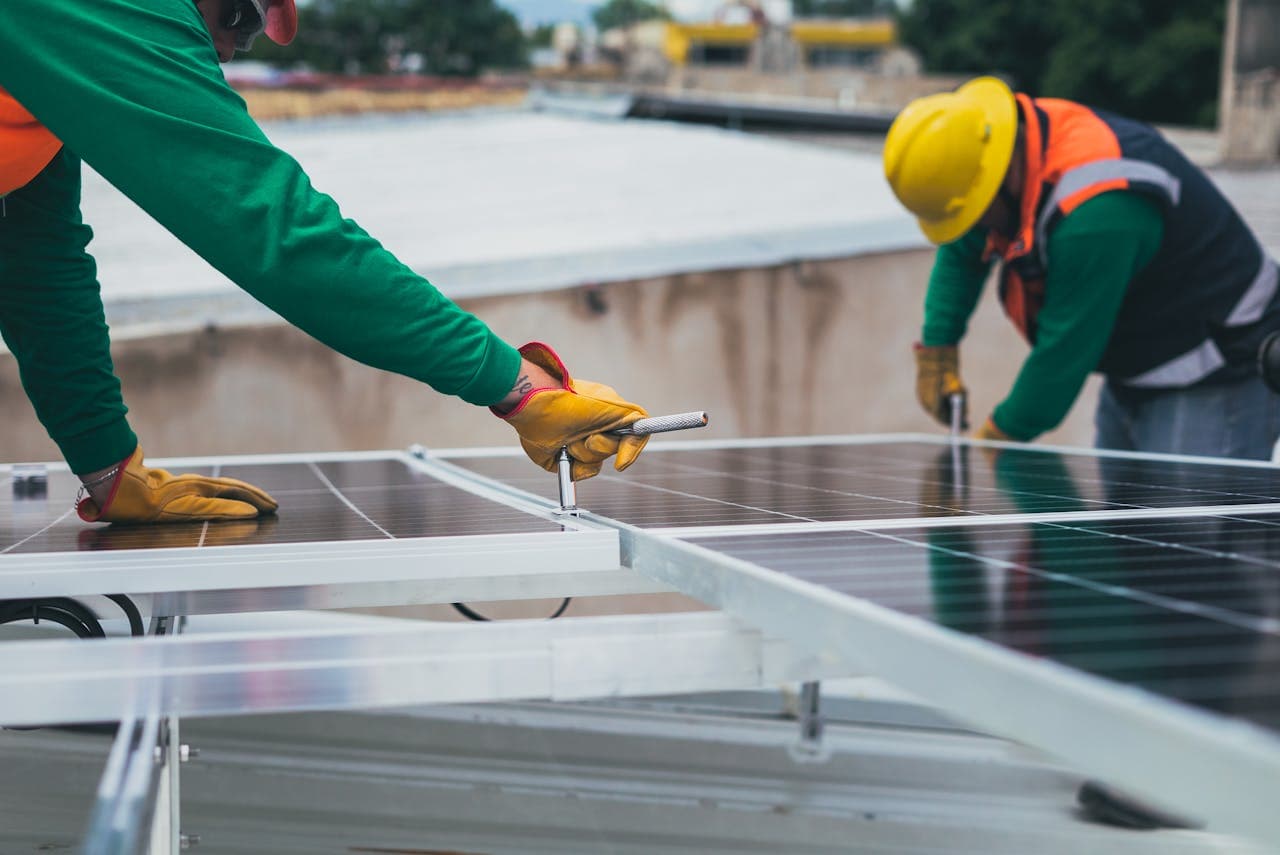
 Project photoCase studyChongqing rooftop PV retrofitPultruded GFRP H-rail on color steel-tile roofs, installed within the roofs' original load reserve.
Australia
Pultruded FRP solar mounting for Australian projects
Fiberglass solar rails and mounting profiles for Australian utility, commercial and rooftop solar, in UV-stabilized resin and checked against AS/NZS 1170.2 wind loads for each project. CIF or DAP to the major Australian ports.
FIG. 1 Rooftop solar installationIllustrative photo
Why FRP for Australian solar mounting
Australian utility-scale solar usually mounts on one of two materials: galvanized steel inland, where its lower first cost wins, or aluminum 6063 on coastal sites, where it is lighter but can still pit in chloride-laden air and needs isolation from steel piles. Both work; the choice depends on exposure, design life and cost.
Pultruded FRP is a third option. At about 1.9 g/cm³ it is roughly 30% lighter than aluminum for the same section, it does not rust or pit in salt air, and it forms no galvanic pair with steel piles. Each project's rails and frames are checked against AS/NZS 1170.2 wind loads for its region, including the cyclonic regions C and D.
The cost case depends on the project. Per kilogram, FRP costs more than aluminum 6063 and considerably more than galvanized steel. Lighter members can reduce transport, handling and foundation loads, and FRP needs no recoating in coastal air, so compare installed and lifecycle cost for your site. We can price the FRP option against your current design.
We supply from FengDu's 5 production bases in China, FOB Shanghai or Ningbo, or CIF and DAP, with sea freight of 18–28 days to Sydney, Melbourne, Brisbane, Adelaide, Fremantle or Port Kembla.
FRP, aluminum and galvanized steel for solar mounting
Typical material values. Project design uses the data for the actual sections supplied.
| Property | Pultruded FRP (E-glass / polyester) | Aluminum 6063-T5 | Galvanized steel |
|---|---|---|---|
| Density (g/cm³) | 1.9 | 2.70 | 7.85 |
| Tensile strength (MPa) | 240–400 | 186 (6063-T5) | 400 (A36) |
| Elastic modulus (GPa) | 23–28 | 69 | 200 |
| Thermal expansion (×10⁻⁶/°C) | 8–12 | 23.4 | 11.7 |
| Coastal salt air | Does not rust or pit | Can pit over time | Relies on the zinc coating |
| Galvanic pair with steel piles | None | Needs isolation | None |
| UV exposure | Needs UV-stabilized resin and a veil or coating | Not affected | Coating-dependent |
Common solar mounting profiles
Typical starting sections. Each project is sized for its wind region, module layout and support spacing.
Solar rail (purlin)
80 × 40 or 100 × 50 mm hollow
Module-row support, typically 4–6 m span
Cross-beam
120 × 60 or 140 × 70 mm I-section
Span between piles, typically 3–5 m
Tilt strut
60 × 60 or 80 × 80 mm angle
Bracing at the tilt angle
Rooftop adapter
50 × 50 or 65 × 65 mm hollow
Attachment to seam clamps on commercial roofs
From FengDu's plants to your Australian site
One quote lists the profiles, freight, delivery terms and the documents included, so the landed cost is known before the order.
Step 1
RFQ and quote
Send the array layout or section list, the wind region, quantities and the delivery port. We reply within one business day, then quote FOB, CIF or DAP with a list of included documents.
Step 2
Production and documents
Catalog sections take 2–4 weeks and variants on an existing die 4–6 weeks; a new section takes 6–10 weeks from approved drawing, including the die. Section properties and material test reports are provided on request.
Step 3
Sea freight and delivery
Sea freight takes 18–28 days to Sydney, Melbourne, Brisbane, Adelaide, Fremantle or Port Kembla. We quote CIF or DAP to the project staging area and plan container releases with your installation schedule.
Frequently asked questions
Why specify FRP instead of aluminum for solar mounting in Australia?
Three reasons come up most. Coastal sites in NSW, Queensland, WA and Tasmania expose the mounting to salt air, where aluminum 6063 can pit even when anodized and FRP does not corrode. Aluminum rails on steel piles need isolation to avoid galvanic corrosion; FRP forms no galvanic pair. And FRP is about 30% lighter than aluminum 6063 for the same section, which reduces transport and handling weight and the loads on the foundations. FRP is less stiff, so sections are sized for deflection, and outdoor profiles need a UV-stabilized resin with a surfacing veil or coating.
Does FRP solar mounting comply with Australian standards (AS/NZS)?
Compliance is shown for each project design. Array installations follow AS/NZS 5033, which calls for the structure to be designed for AS/NZS 1170 loads, and wind actions come from AS/NZS 1170.2 for the site's region, including cyclonic regions C and D. The project engineer checks the members and connections against those loads with the material data for the supplied sections; we provide the section properties and test reports. Connection hardware is usually hot-dip galvanized to AS/NZS 4680 or stainless steel.
What weight difference does FRP make against aluminum 6063?
Pultruded FRP has a density of about 1.9 g/cm³ against 2.70 for aluminum 6063, so an FRP section weighs about 30% less than an aluminum section of the same size. FRP is also less stiff, so the FRP section may need to be deeper to meet the same deflection limit, which narrows the gap. Compare the member weights of both designs for your array layout; we can size the FRP option from your aluminum design.
How does FRP perform under Australian UV exposure?
Australian UV is among the strongest in the world, so outdoor profiles use UV-stabilized polyester, polyurethane or vinyl ester resin with a synthetic surfacing veil and, where specified, a UV-resistant coating. Without that protection the surface can chalk and expose fibers over time. Weathering and salt-mist results for our PV frame material are published on the evidence page; ask for the reports that match the resin and coating you plan to use.
What lead times and ports are typical for Australian solar projects?
Sea freight from Shanghai or Ningbo to Sydney, Melbourne, Brisbane, Adelaide, Fremantle or Port Kembla takes 18–28 days. Catalog sections take 2–4 weeks to produce, variants on an existing die 4–6 weeks, and a new section 6–10 weeks from approved drawing. For multi-megawatt projects, plan container releases with the installation schedule to avoid storage at the port. We quote CIF or DAP to the project staging area.
Is FRP solar mounting cost-competitive with aluminum and galvanized steel?
It depends on the site. Per kilogram, FRP costs more than aluminum 6063 and considerably more than galvanized steel. Lighter members can reduce transport, handling and foundation costs, and FRP needs no recoating in coastal air, so the comparison that matters is installed and lifecycle cost for your layout and exposure. FRP makes its strongest case on coastal sites and long design lives; send the array design and we will price the FRP option.
Evidence and further reading
- Project photoCase studyChongqing rooftop PV retrofitPultruded GFRP H-rail on color steel-tile roofs, installed within the roofs' original load reserve.
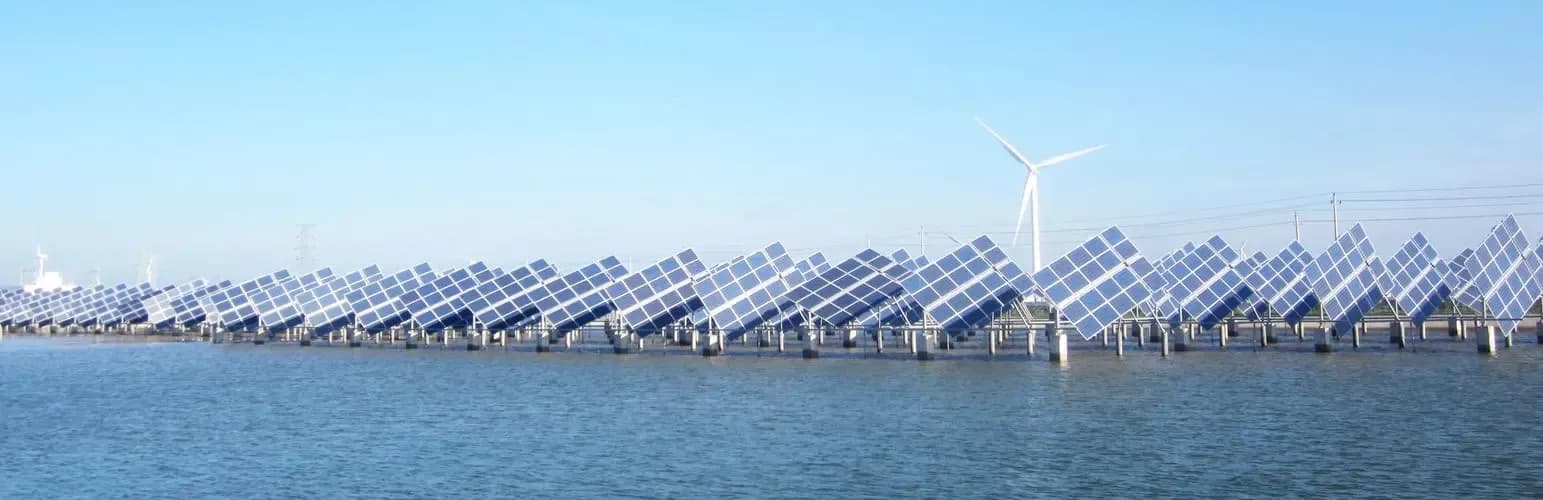 Reference photoArticleFRP for offshore, tidal and fishery-PV mountsWhere salt water and humidity make pultruded mounts and module frames worth their cost.
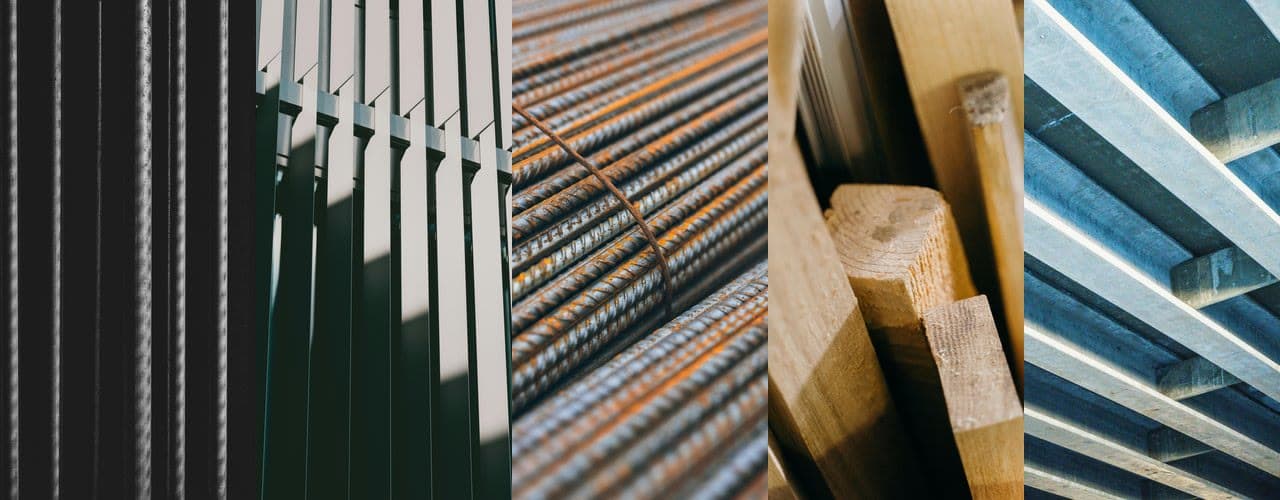 Illustrative photoComparisonFRP vs steel, aluminum, timber and concreteWeight, corrosion, insulation and stiffness, property by property, with the limits of each.
Request a CIF quote for FRP solar mounting delivered to an Australian port
Send the array layout or section list, the wind region, quantities and the delivery port. We reply within one business day.