Fiberglass sheets manufacturer — solid FRP sheet cut to size
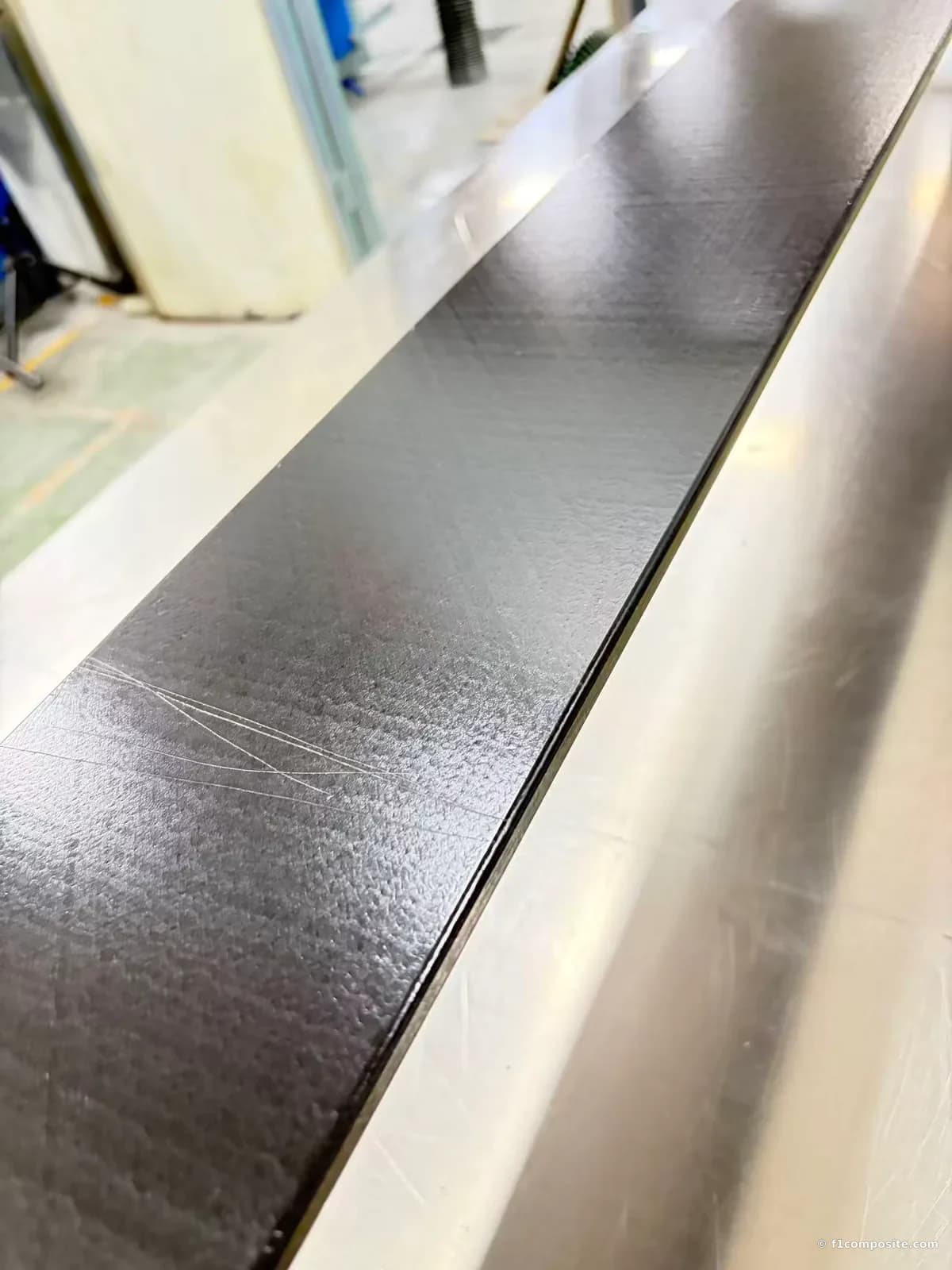
Solid flat fiberglass sheet from 2 to 25 mm typical thickness — smooth, gritted anti-slip, or embossed — cut to part size in polyester, vinyl ester, or fire-retardant resin systems.
Fiberglass sheet for four fabrication jobs
Structural connection
Cut blanks for gussets, splice parts, bearing pads and other fabricated connections, machined to the approved part drawing and load case.
Corrosion barriers
Tank and clarifier baffles, launder and trench covers, liners for bunds and splash zones: vinyl ester laminates in continuous chemical contact.
Walking surfaces
Gritted sheet for tread-cover overlays and other anti-slip surfaces. Load-bearing covers require separate support and capacity checks.
Stair tread coversFabrication blanks
Cut blanks that shops machine into brackets, spacers, wear pads and non-conductive panels, with carbide or diamond tooling as for any pultruded stock.
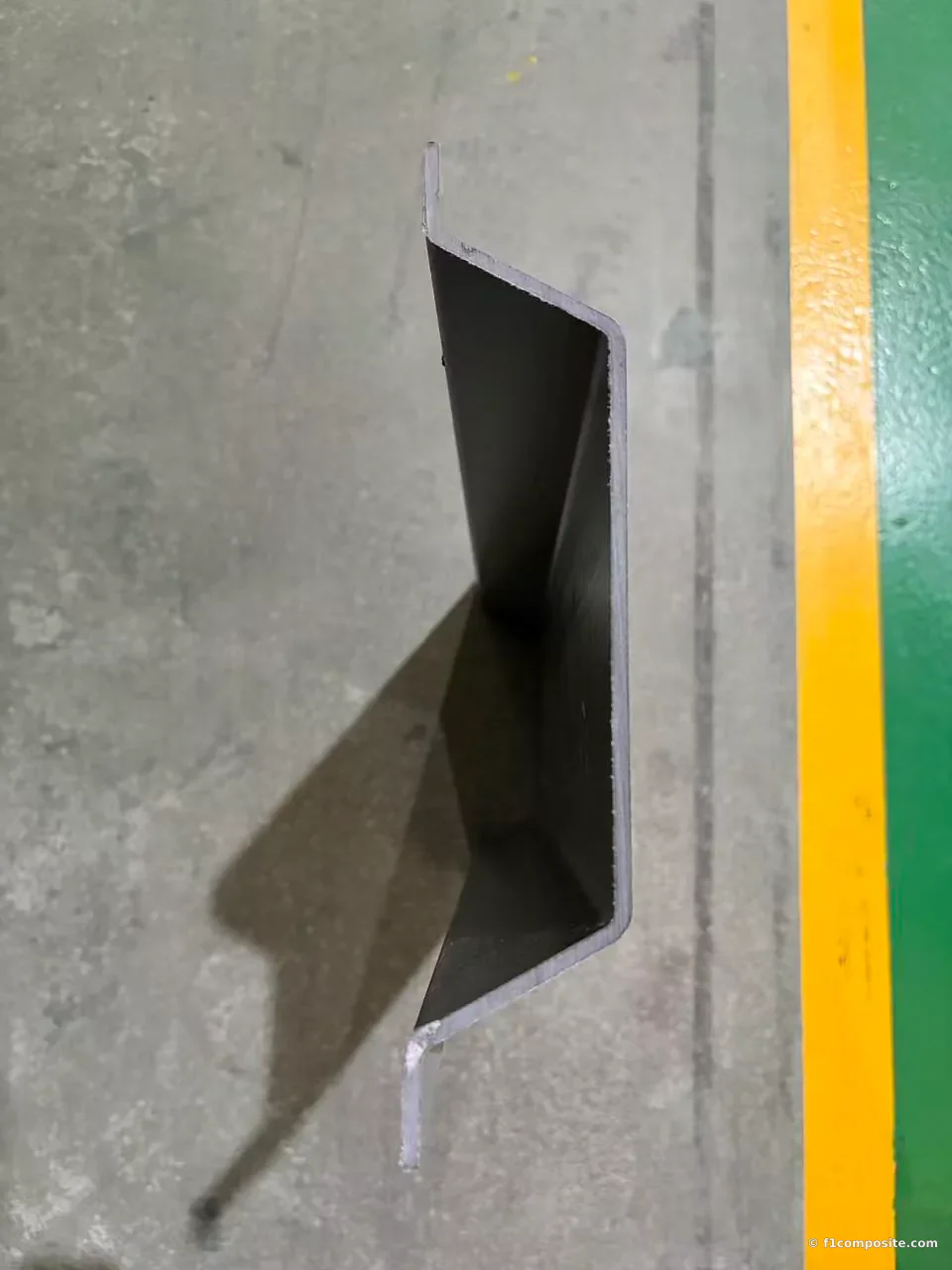
This page covers solid flat stock. Shaped hollow and multi-cell sections have a separate pultruded fiberglass plate profile catalog. Narrow solid rectangles with published sizes and per-meter weights remain in the fiberglass flat-bar catalog (12×3 to 305×25 mm).
Surface and edge detail
- Smooth, veiled
- Standard on both faces for liners, baffles and electrical parts.
- Gritted anti-slip
- Silica or aluminum-oxide grit bonded to one face, the material of the stair tread covers.
- Embossed or pigmented
- Available per order; confirm on the drawing.
Request solid fiberglass sheet cut to size
Questions buyers ask
Is pultruded fiberglass sheet the same as G10, FR4 or a roofing panel?
These names cover different product specifications. This page offers solid pultruded fiberglass flat stock for fabrication. A G10 or FR4 laminate, corrugated roof panel or decorative wall liner needs its own material and product specification. If your drawing names one of those products, include the exact grade and intended use for review rather than substituting by the word fiberglass alone.
What thicknesses and sizes do fiberglass sheets come in?
The pultruded flat-sheet program typically runs 2–25 mm thick in panel widths up to about 1,000–1,220 mm, supplied cut to your part sizes rather than as fixed stock panels. Narrow solid sections up to 305×25 mm are a separate, catalogued product — see the fiberglass flat bar page with published sizes and weights. State the finished part dimensions and quantity in the RFQ; nesting and cutting are done in production.
What is the difference between fiberglass sheet and FRP plate?
Suppliers sometimes use sheet and plate interchangeably for flat laminate. To keep the F1 catalog unambiguous, this page covers solid flat sheet at every offered thickness; the separate fiberglass plate page covers shaped hollow and multi-cell pultruded profiles. Send a cross-section when the geometry is not simply flat.
Can the sheets be supplied with an anti-slip surface?
Yes — the gritted variant bonds a silica or aluminum-oxide grit surface to one face, which is exactly the material used for our stair tread covers and solid-top walkway plate. Smooth (veiled) both faces is standard for liners, baffles, and electrical applications; embossed and pigmented options are available per order.
What are typical applications for pultruded FRP sheet?
Typical uses include tank and clarifier baffles, liners, wear pads and bearing strips, equipment covers, kick panels, electrical barriers and cut blanks that fabricators machine into brackets, spacers or connection parts. Suitability for a load-bearing cover or walking surface requires a project-specific thickness, support and load check.
Which resin should I choose for fiberglass sheet?
Polyester and vinyl ester systems are available for review. State the chemical, concentration, temperature and exposure duration so the laminate can be selected for the actual service. Outdoor and fire-performance requirements also need a specified surface system and applicable test evidence; a resin name alone does not establish a fire classification or chemical compatibility.
Do you publish mechanical data for the sheet program?
Sheet laminates are built on the same E-glass / resin systems as our profiles, and orders ship with batch mechanical certificates on request. Because sheet reinforcement is tailored per thickness and duty (more multidirectional glass than a unidirectional profile), we quote the laminate spec per order rather than publishing one generic table — send the load case and we return the laminate build-up with the quotation.
Quote fiberglass sheet
Send the finished part sizes, surface and service duty, the quantity and the destination. We reply within one business day; a formal quotation follows once the specification and delivery are reviewed.
- Part sizes & cutting
- Send the finished length, width, thickness and part count, with any holes or edge details. We check the cutting layout and tolerances against your drawing.
- Resin & surface
- Give the chemicals, concentrations, temperature, outdoor exposure, color and fire requirements. Review the proposed resin, reinforcement and surface treatment against those conditions and the evidence for the offered material.
- Quantity & samples
- Give the trial quantity, expected repeat demand and target delivery date. Minimum quantities, sample arrangements and the production schedule are confirmed for the section, material and fabrication scope in the quotation.
- Documents & delivery
- List the required drawings, material reports and batch inspection records. Confirm which documents cover the offered product, any additional testing, the packing method and available delivery terms for your destination.