FRP chemical plant platforms for corrosive process areas
FRP chemical plant platforms using pultruded beams, channels, gratings, stair treads and handrails for acid splash and corrosive process areas.
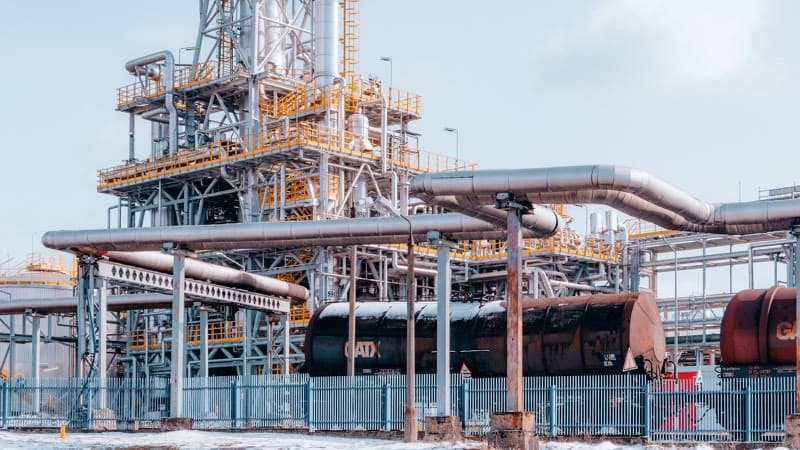
Chemical plant access platforms fail when steel framing, gratings, and handrails sit in acid splash, caustic washdown, or chloride-rich air. F1 Composite supplies the pultruded beams, channels, gratings, stair treads, and handrail profiles required for corrosion-proof platform assemblies.
Best fit: acid production, fertilizer plants, chlor-alkali units, wastewater treatment, battery materials, petrochemical areas, and any process zone where coating maintenance is expensive or unsafe.
Specify the component supply scope
Identify raw profile lengths, cut or drilled components, grating panels and any agreed assemblies. Confirm fasteners, engineering and installation responsibilities on the quotation. The application describes how the products are used; it does not by itself include complete project delivery.
FRP I-beams and channels for primary and secondary framing
Molded or pultruded FRP gratings for walking surfaces
FRP round tubes and square tubes for handrails and guardrails
FRP angles and flat bars for bracing, toe boards, and splice plates
Resin recommendation
Vinyl ester is the default resin for chemical exposure. Phenolic or fire-retardant systems can be evaluated when the project combines corrosion resistance with strict flame, smoke, or offshore requirements.
Common standards
FRP chemical plant platforms: design and specification checks
Chemical compatibility
List each chemical, concentration, temperature, exposure mode, and cleaning cycle. Resin selection should reflect the worst credible combined service condition and any required verification testing.
Platform load path
Check primary beams, secondary members, grating spans, stair stringers, handrail posts, base plates, and connections as one assembly under operating, maintenance, and equipment loads.
Fire and plant safety
Corrosion resistance does not establish fire performance. Confirm flame, smoke, electrical, anti-slip, egress, and static-control requirements for the actual process area before selecting the laminate and surface.
FRP chemical plant platforms as coordinated access systems
A chemical plant platform combines several FRP product families into one safety-critical access system. I-beams and channels carry the floor, grating distributes pedestrian and maintenance loads, stair stringers establish the access route, and handrail posts transfer guard loads back into the frame. Treating each item as a separate catalog purchase can leave gaps at the connections, so the useful design package includes the framing plan, grating orientation, stair geometry, handrail reactions, base details, and plant load cases together.
Chemical compatibility must be stated with concentration, temperature, splash or immersion mode, and exposure frequency. Vinyl ester is a common starting point for aggressive process areas, but oxidizers, solvents, high temperature, and mixed cleaning chemicals may require a different formulation or test program. Fire-retardant and phenolic systems solve different hazards and should be selected from the plant's flame, smoke, and toxicity criteria rather than from a generic 'FR' label.
Factory fabrication can reduce hot work and shutdown time. Profiles can be cut, drilled, labeled, and packed by assembly zone with gratings, stair components, handrail sections, and fastener kits. The engineering handoff should still state allowable site modifications, cut-edge sealing, bolt torque, inspection access, and the boundary between F1's component calculations and the local engineer's foundation and building-structure review.
Have a question about this product?
Our FRP Engineering Advisor answers spec, sizing, and chemical-compatibility questions instantly — and routes complex ones to the right human.
Pre-filled question: “I am evaluating FRP chemical plant platforms. Please recommend profile families, resin system, standards, and RFQ details for my project.”
Related product pages
Need a quote for FRP chemical plant platforms?
Send the dimensions, quantity, service environment, and destination. We acknowledge requirements within one business day.