Skip to content
Wind energy· Blade panels

Wind turbine blade panels: GFRP, CFRP and carbon-glass hybrid

Pultruded composite panels for wind turbine blade spar caps and reinforcement programs, supplied in glass fiber, carbon fiber and carbon-glass hybrid architectures with project-specific cut lengths.

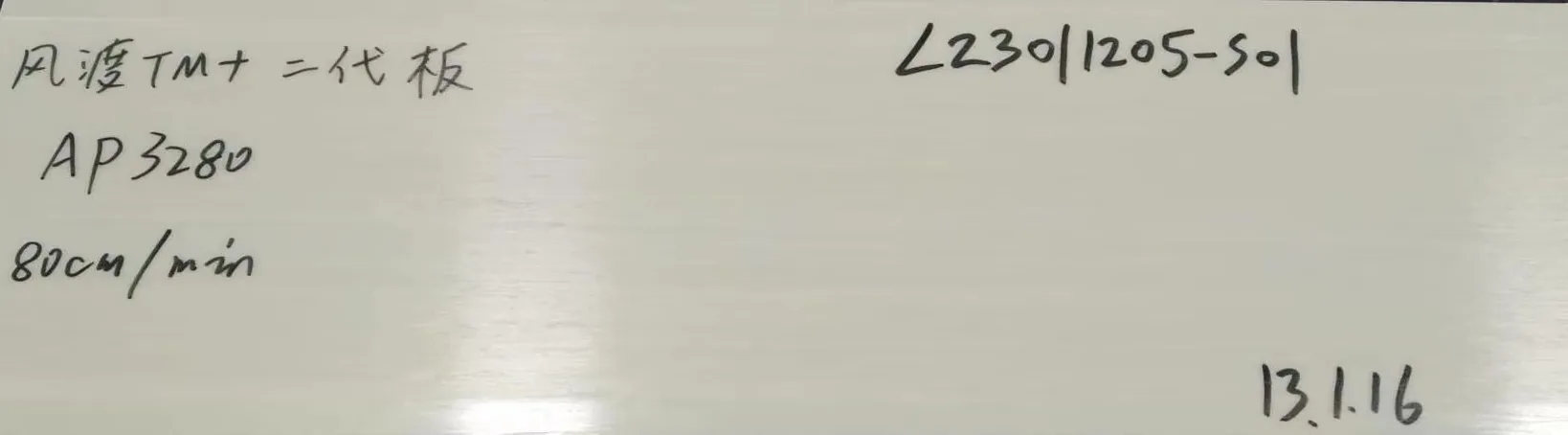
FIG. 1 GFP-WE20 test panelReport photo
GFP-WE20 pultruded fiberglass panel submitted for fatigue characterization
GFP-WE20 panel submitted for report R-L23011205a2.Rev00.EN; the handwritten sample identification is retained from the report image.
Programs
GFRP, CFRP, hybrid
Length
Cut to drawing
Fatigue report
GFP-WE20
Qualification
Per project

Release the laminate, cut length and qualification together

Wind-blade panels are axial reinforcement products, not generic construction sheet. F1 coordinates the fiber system, resin, laminate architecture, section, surface, dimensional controls and mechanical evidence against the blade program.

Select the reinforcement architecture before comparing numbers

The images below are representative supplier program images. Final color, surface, geometry, laminate and acceptance data follow the approved sample and order documents. The GFP-WE20 results later on this page apply only to the reported glass-fiber material.
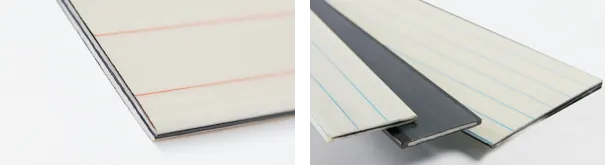
Pultruded fiberglass wind turbine blade panels with longitudinal identification linesSupplier photo

Glass fiber

GFRP pultruded panel

A high-glass-content laminate for spar-cap and reinforcement programs where repeatable axial performance and cost control lead the selection.

Confirm glass grade, resin system, fiber content, surface, section, test plan and finished cut length on the order specification.
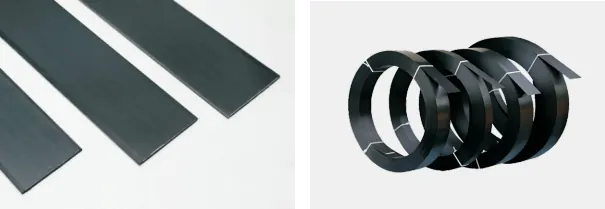
Straight and coiled pultruded carbon fiber wind turbine blade panelsSupplier photo

Carbon fiber

CFRP pultruded panel

A unidirectional carbon-fiber option for blade programs driven by axial stiffness and weight, including large-blade development.

Carbon grade, tow, resin, cured properties, straightness, surface preparation and project qualification remain grade-specific.

Layered carbon-glass hybrid pultruded panels for wind turbine blade reinforcementSupplier photo

Carbon-glass hybrid

Carbon-glass hybrid panel

A layered hybrid architecture that combines carbon-fiber stiffness with glass-fiber reinforcement for a project-specific performance and cost balance.

Layer order, carbon-to-glass ratio, interfaces, resin compatibility and allowable design values require an approved laminate definition.

GFP-WE20 tension–tension fatigue and fiber-content results

Shanghai Accur Testing Technology Co., Ltd. issued report R-L23011205a2.Rev00.EN on 2023-03-29 for the received GFP-WE20 pultrusion profile. The reported material used AP3280A/AP3280B with TM+ Glass reinforcement.
m · S–N slope exponent
8.51
A · Stress amplitude at N = 1
957 MPa
Wf · Average fiber mass content
85.29%
Vf · Calculated average fiber volume
72.46%
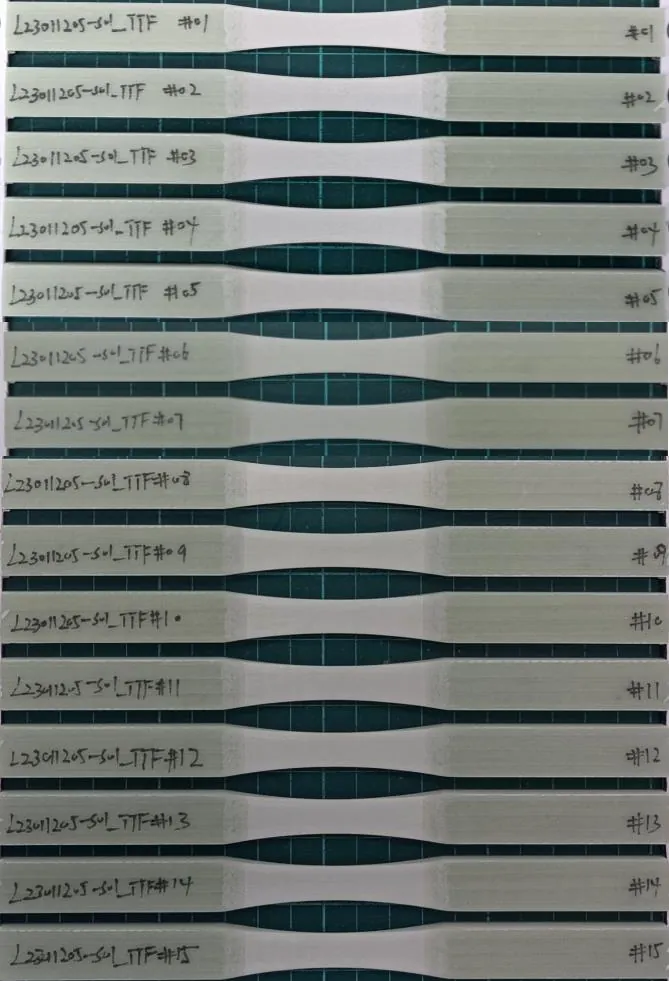
FIG. 2 Specimens before testingReport photo
Fifteen machined GFP-WE20 waisted fatigue specimens before tension-tension testing
Fifteen labeled, waisted specimens before testing. The report states that machining used CNC and a diamond saw in accordance with the test specifications.
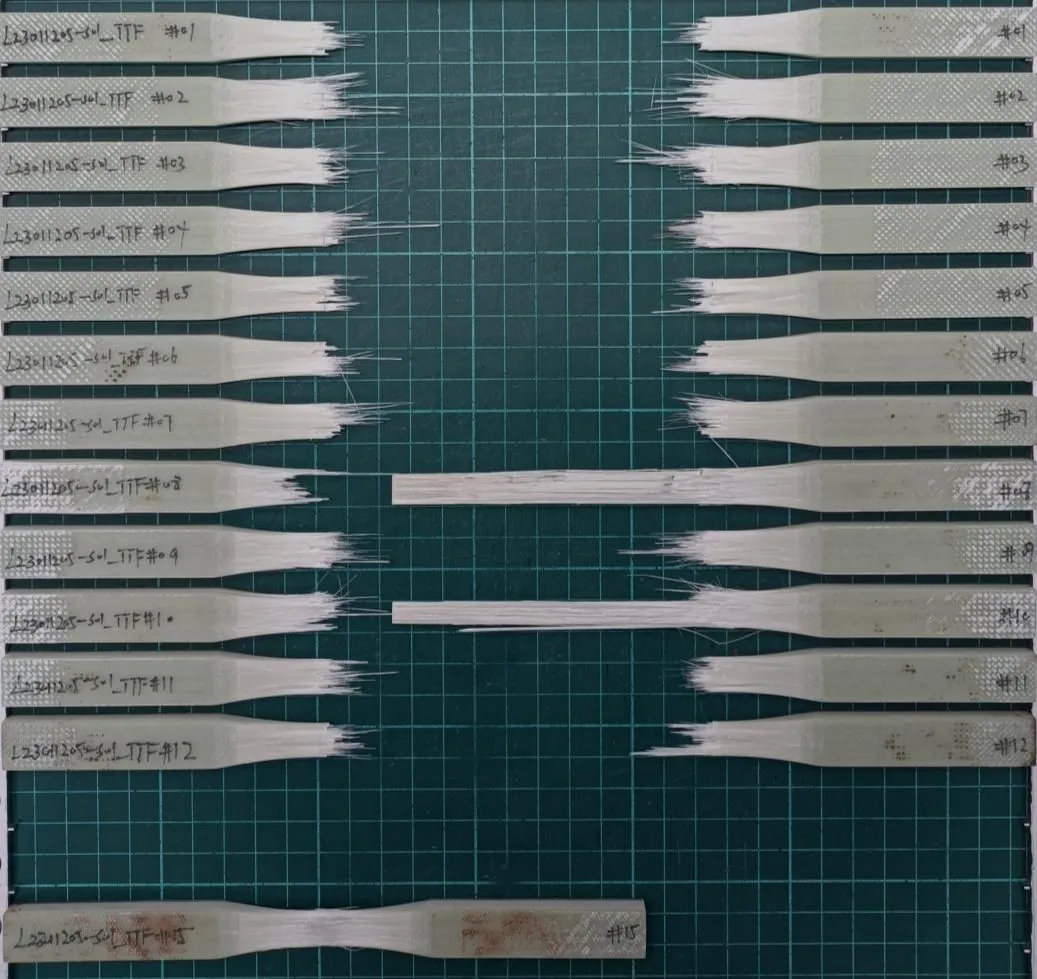
FIG. 3 Specimens after testingReport photo
GFP-WE20 fatigue specimens after tension-tension testing with visible longitudinal fiber failure
Specimens after testing. The fit used 12 valid results; #13 and #14 had the wrong setup, while #15 was a run-out at 10,001,236 cycles and was excluded from the statistics.

Fatigue test basis

Specimen ID
L23011205-S01_TTF
Standard
ISO 13003:2003
Conditioning
At least 24 h at (23±2) °C, (50±10)% RH
Test atmosphere
(23±2) °C, (50±10)% RH
Frequency
5 Hz for 10³ to 10⁷ load cycles
Load ratio
R = 0.1, tension–tension
Control
Load control with sine wave; loaded until failure where possible
Nominal geometry
L = 200 mm, b = 10 mm, l₁ = 67 mm; thickness depends on specimen

Reported statistical and physical summary

50% S–N regression
σa = 957 · N⁻⁰·¹¹⁷⁵
Correlation coefficient
−0.993
Goodness of fit
0.985
Fiber-content standard
ISO 1172:1996
Average resin mass content
14.71%
Average specimen density
2.172 g/cm³

These results apply only to the GFP-WE20 pultruded profile specimens received and tested under report R-L23011205a2.Rev00.EN. They are measured and statistically fitted report values, not guaranteed minima for every panel grade, production lot or service environment.

Reported P50 and P95 S–N regression values

Stress values in MPa. In the report, P95 denotes 95% survival probability at 95% confidence; these are fitted values, not a universal design allowable.

Reported P50 and P95 S–N regression values for GFP-WE20
Cycles NP50 σaP50 σmaxP95 σaP95 σmax
10²556.81,237.3501.11,113.6
10³424.8944.0382.3849.6
10⁴324.1720.1291.7648.2
10⁵247.2549.4222.5494.5
10⁶188.6419.1169.8377.2
10⁷143.9319.8129.5287.8
10⁸109.8244.098.8219.6

Wind blade panel questions

Are these wind turbine blade panels supplied to a fixed stock length?

No fixed public stock length controls the program. Wind-blade-grade pultruded panels can be cut to the finished length specified in the approved order drawing. State the length, tolerance, end trim, quantity and packing or transport constraints in the RFQ; manufacturability and shipment handling are confirmed before order release.

Which panel material should a blade designer select?

GFRP is commonly selected when stiffness-to-cost and high glass content lead the decision; CFRP when axial stiffness and weight dominate; and carbon-glass hybrid when the laminate architecture is being tuned between those objectives. The blade designer and certification plan still control the grade, allowables, environmental reductions and qualification program.

Do the published GFP-WE20 fatigue results apply to every GFRP panel?

No. They apply only to the GFP-WE20 specimens described in report R-L23011205a2.Rev00.EN: AP3280A/AP3280B resin system with TM+ Glass, tested under the stated ISO methods and conditions. They are not universal guaranteed minima or values for the carbon and hybrid programs.

What does the P95 fatigue line mean on this page?

In the cited report, P95 is the fitted S-N line for 95% survival probability at a 95% confidence level. It is a statistical result for the tested specimens. Project design must apply the governing blade standard, material factors, environmental reductions and qualification evidence selected by the designer or certification body.

Can F1 provide batch-level quality documents?

Yes. Define the required material certificate, fiber and resin traceability, dimensional inspection, mechanical test frequency, witness points and acceptance limits in the RFQ. The order-specific inspection and test plan governs the documents delivered with each production lot.

What information should be included in a wind-blade panel RFQ?

Send material family, drawing or section, finished cut length and tolerance, quantity, fiber and resin requirements, surface and bonding preparation, straightness, mechanical allowables, fatigue or static qualification plan, inspection documents, packing concept, destination and required delivery date.

Send the panel drawing, finished cut length and qualification plan

Put the finished length beside the laminate and evidence requirements. We confirm manufacturability, the inspection and test plan and shipment limits before order release. We reply within one business day; a formal quotation follows once the specification and delivery are reviewed.

Geometry and length
Panel drawing, finished cut length, tolerance, end trim, straightness and quantity.
Material definition
Fiber family and grade, resin, hybrid layup if applicable, fiber content and surface preparation.
Qualification
Design allowables, test methods, conditioning, sampling, witness points and acceptance criteria.
Delivery
Traceability documents, packing and handling limits, destination, Incoterm and required delivery date.
Get a quoteWhatsApp