Fiberglass structural shapes & sizes
Choose a section family to review dimensions, weight, drawings and datasheets. Confirm the material, available production run and project requirements before ordering.
Start with your name and email. Product details and drawings can follow.
Browse fiberglass structural shapes by section family
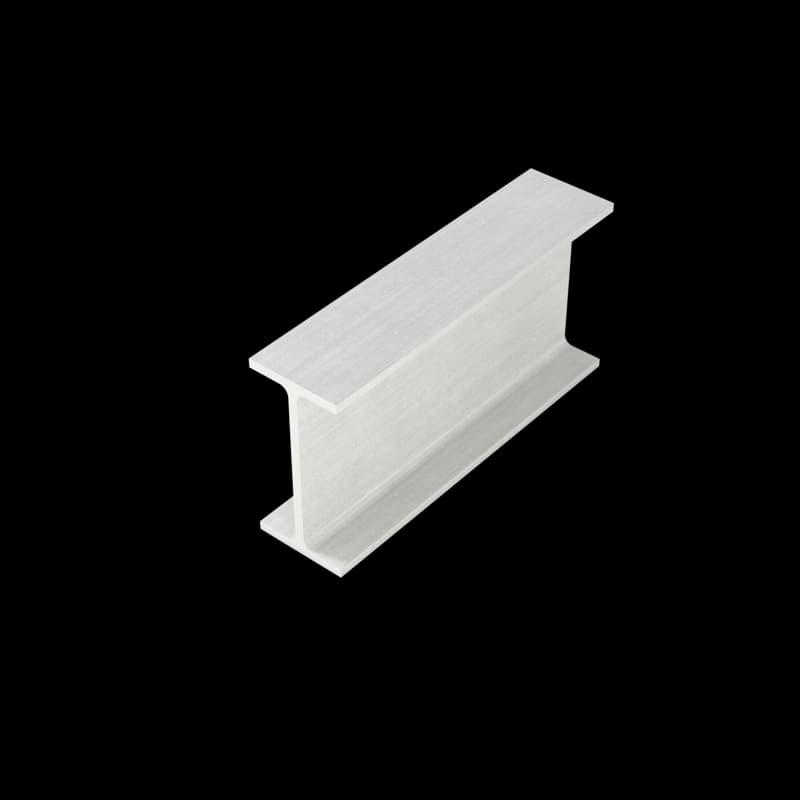
I-Beam
Wide Flange Profiles
Sizes: 76×38 mm — 305×305 mm
Up to 75% lighter than steel. Maximum flexural stiffness for walkways, bridges, and platforms.
View all sizes →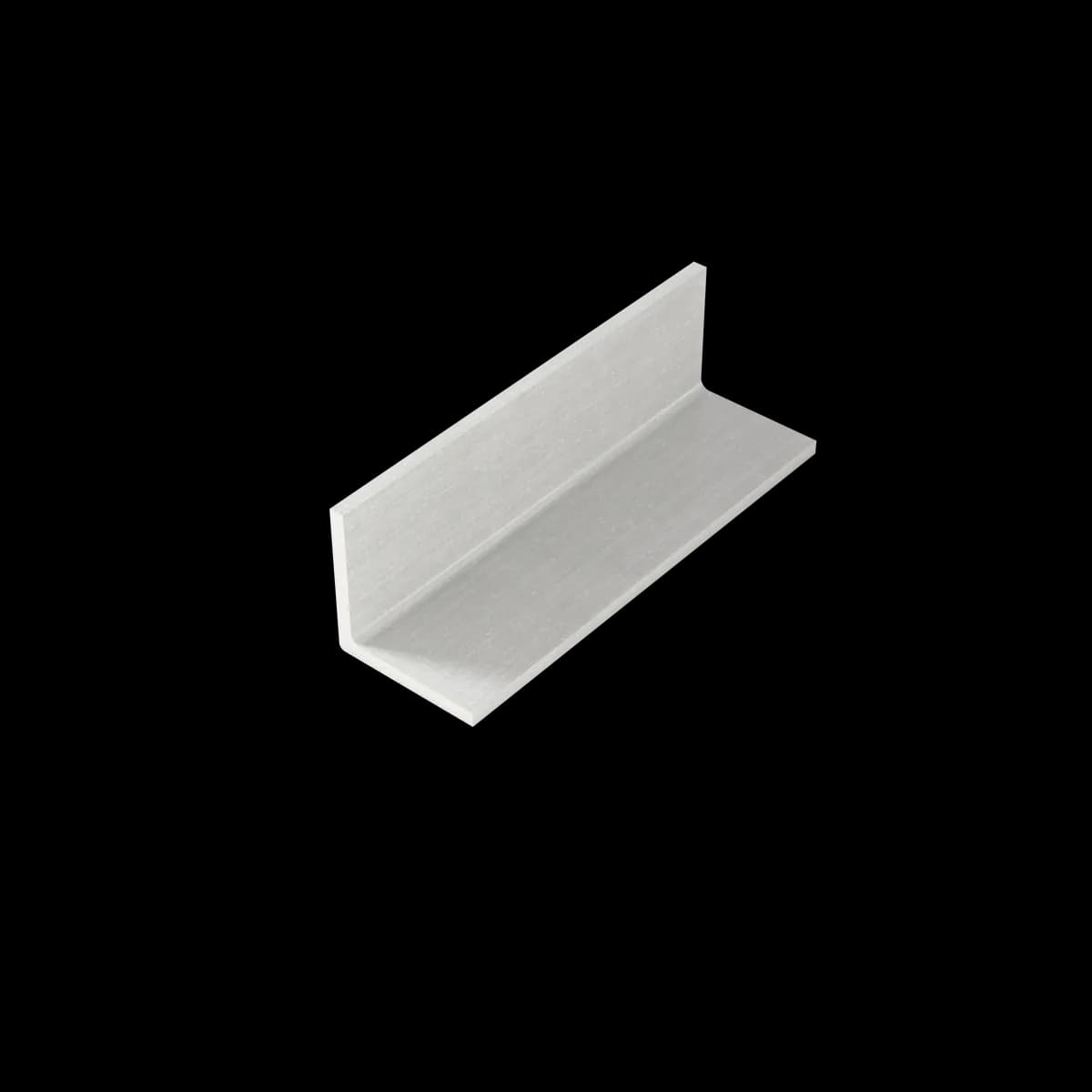
Angle
L-Profiles
Sizes: 25×25 mm — 152×152 mm
Equal and unequal-leg options. Ideal as stiffeners, bracing, and ledger supports.
View all sizes →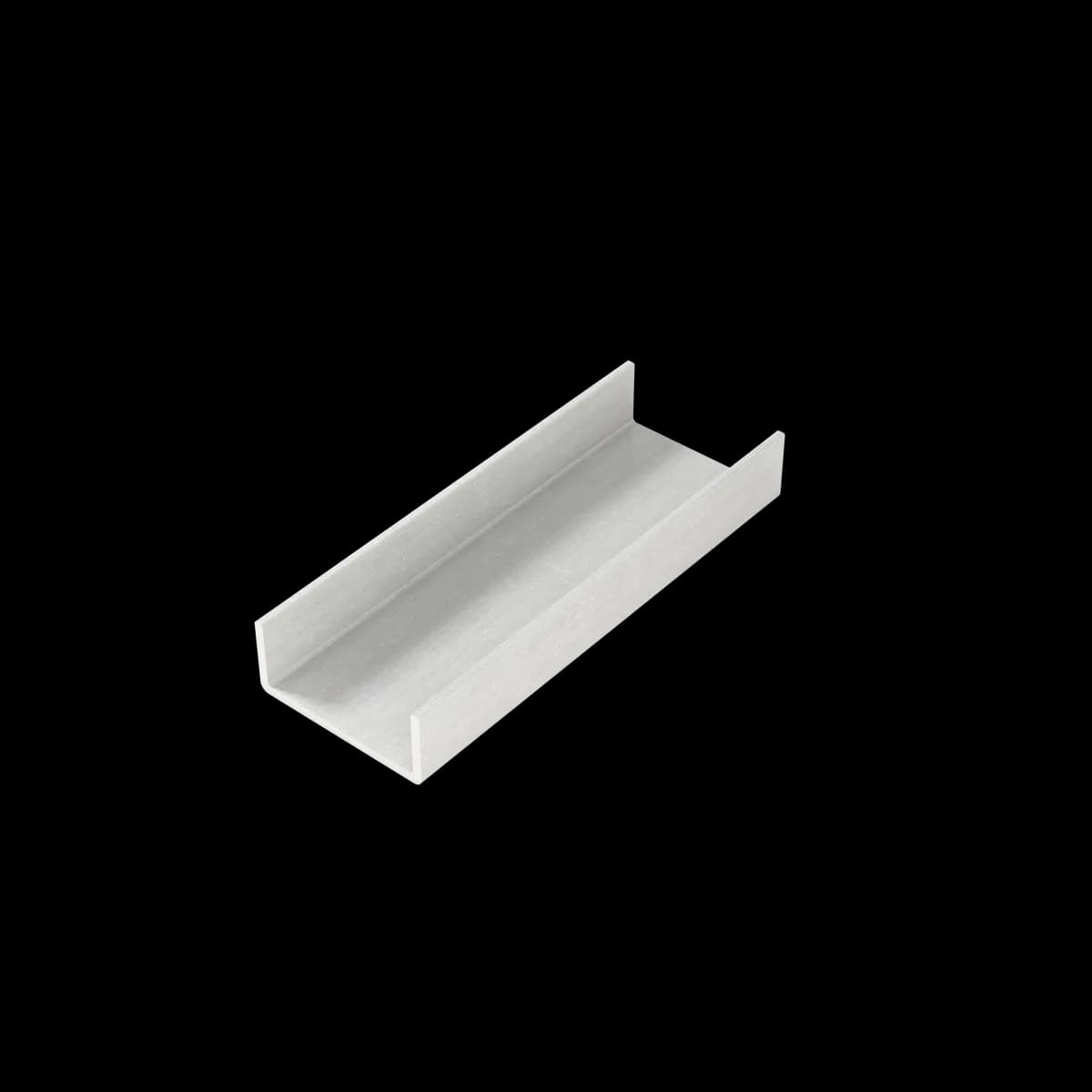
Channel
U-Profiles
Sizes: 38×13 mm — 305×89 mm
Versatile open-section framing for cable management and modular assemblies.
View all sizes →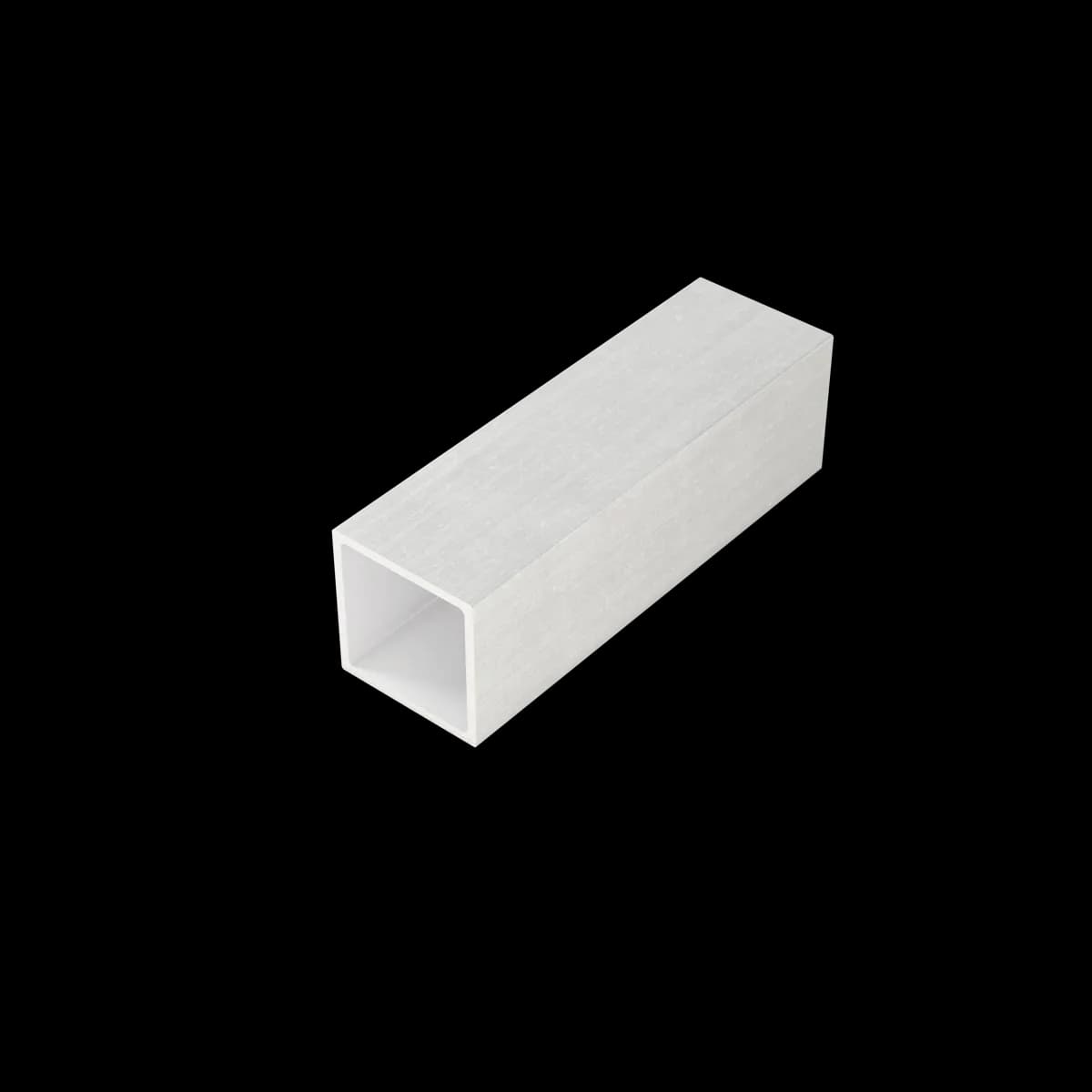
Square Tube
SHS & RHS Profiles
Sizes: 25×25 mm — 240×240 mm
Superior torsional rigidity for columns, trusses, and frame structures.
View all sizes →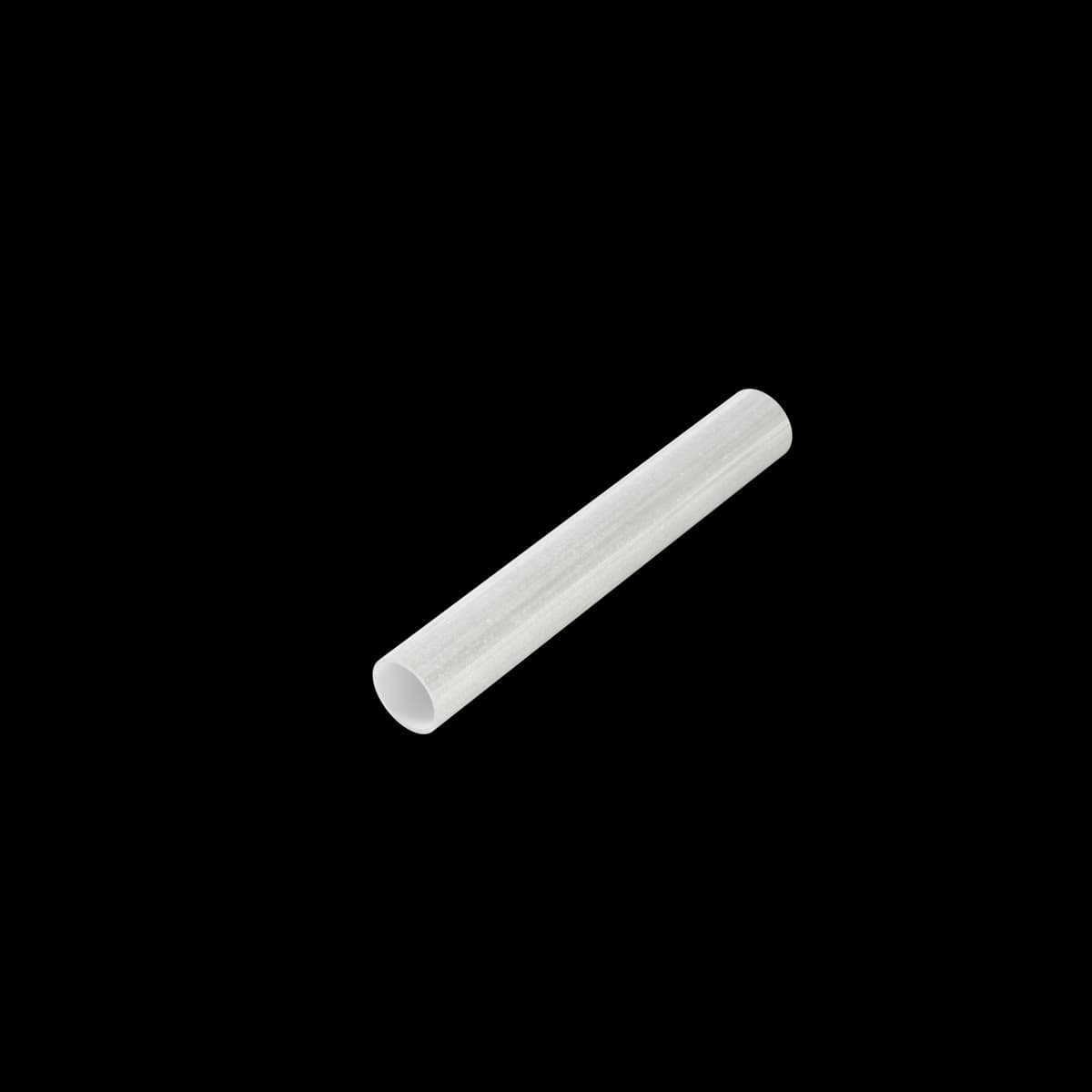
Round Tube
Circular Hollow Sections
Sizes: 25 mm — 150 mm OD
Handrails, guardrails, and structural tubes with smooth interior bore.
View all sizes →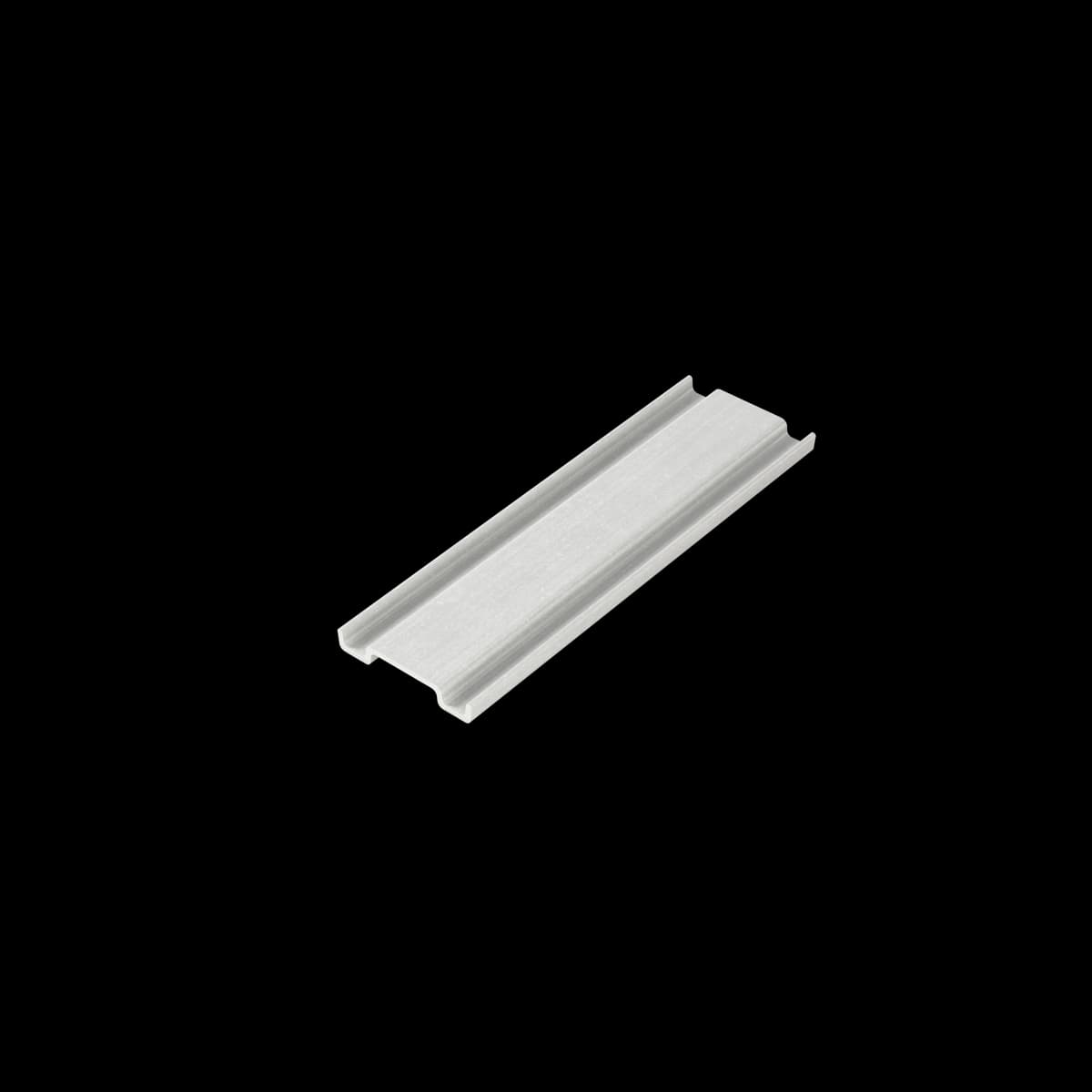
Flat Bar
Solid Rectangular Sections
Sizes: 12×3 mm — 305×25 mm
Stiffeners, splice plates, wear strips. High-modulus options up to 70% glass.
View all sizes →Have a question about this product?
Our FRP Engineering Advisor answers spec, sizing, and chemical-compatibility questions instantly — and routes complex ones to the right human.
Pre-filled question: “I'm specifying FRP standard profiles (I-beams, channels, angles, tubes). What size do I need for a [span / load / environment] application, and how does it compare to equivalent steel section?”
Product range
Industries using standard profiles
Standard FRP profiles — frequently asked questions
Quick answers for engineers and procurement teams comparing pultruded fiberglass structural shapes against steel and aluminum options.
Which FRP profile do I need for my application?
For walkways, platforms, and bridges → FRP I-beam (max stiffness). For framing, cable trays, modular skids → FRP channel. For stiffeners, bracing, ledgers → FRP angle. For trusses, columns, frames → FRP square tube (max torsional rigidity). For handrails, antennas, conduits → FRP round tube. For concrete reinforcement requiring a bond surface and bar-specific qualification, use the dedicated FRP rebar range rather than a smooth structural rod. Use our AI sourcing assistant or request a 24-hour engineering review.
Are F1 Composite standard profiles certified to EN 13706 and ASTM D3917?
Confirm the certificate holder, product or specimen, report number, method, date and scope. EN 13706 and ASTM D3917 are specification references, not proof of blanket certification. CE/UKCA documentation depends on the product, intended use and applicable assessment route.
Are catalog sections available from stock?
Catalog dimensions identify standard section options, not live inventory. Confirm tooling, material, quantity and production timing in the quotation.
Can FRP profiles be cut, drilled, and bolted on-site?
Yes. Pultruded FRP profiles can be cut with a circular saw and carbide-tipped or diamond blade, drilled with carbide bits, and joined with stainless or FRP fasteners. Use of standard steel tools is acceptable; coolant is not required. We supply free fabrication guidelines covering bolt hole edge distances, post-cut sealing of cut edges, and recommended fastener torques.
Who are the top pultruded FRP profile manufacturers, and where does F1 Composite fit?
The global market for pultruded FRP structural profiles includes Strongwell (EXTREN®, USA), Creative Pultrusions (USA), Fiberline Composites (Denmark), Exel Composites (Finland), and large manufacturers based in China. F1 Composite manufactures the complete F1-STRUX structural range — I-beams, channels, angles, tubes, flat bars, and rods — to EN 13706 E17/E23 and ASTM D3917 requirements. Products ship directly from our factory in China without a regional distributor markup.
Is there a China-based alternative to Strongwell, Creative Pultrusions, Fiberline, or Exel?
Compare the proposed geometry, material grade, mechanical properties, tolerances and inspection evidence against the original specification. A similar section or standard reference does not establish interchangeability. Send the project requirements for a product-specific comparison.
From selection to a project quotation
Catalog dimensions identify standard section options, not live inventory. Confirm tooling, material, quantity and production timing in the quotation.
1. Check the application
Platform components and design inputsCheck section properties and preliminary response2. Review supporting evidence
FRP profile design manual and scopeFactory access staircaseConfirm that the document and project match your proposed product.
3. Send the specification
Include the drawing, resin or environment, loads, quantity and destination.
Request a specification reviewNeed engineering data or a quotation for standard profiles?
Send the dimensions, quantity, service environment, and destination. We acknowledge requirements within one business day.