Do you sell FRP profiles or finished windows and doors?+
Both, through separate supply routes. Choose system profiles when you will fabricate locally. Choose finished units when you need an agreed assembly built to a window schedule. Glass, hardware, accessories, machining, packing and delivery are defined in the quotation.
What are fiberglass window lineals?+
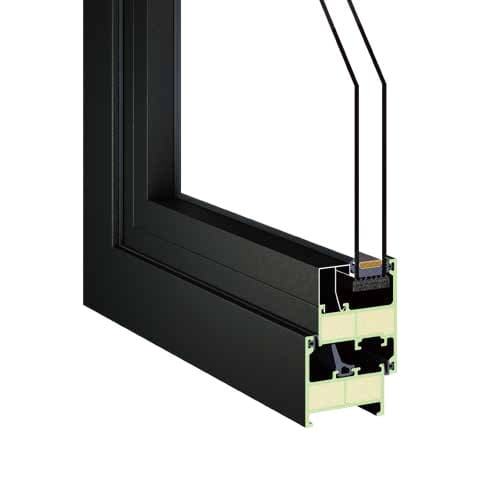
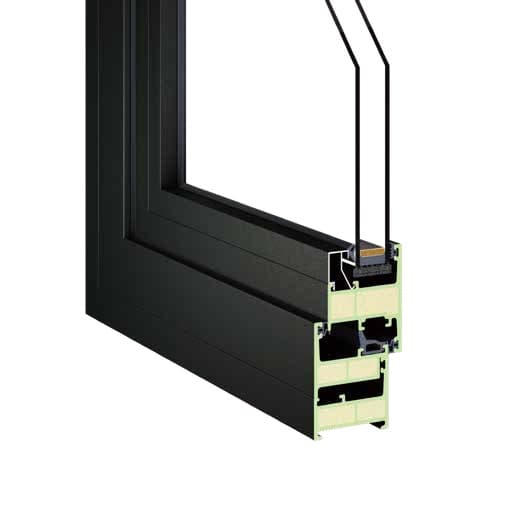
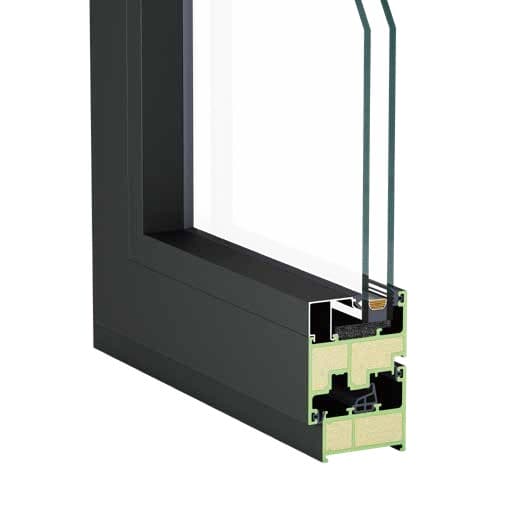
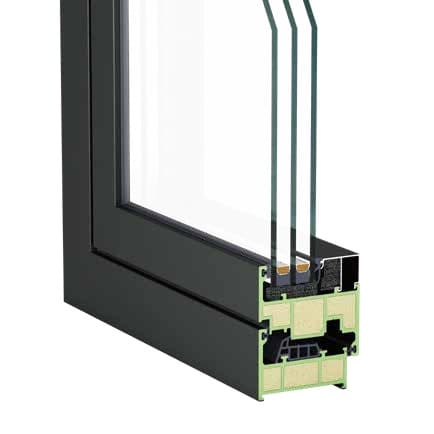
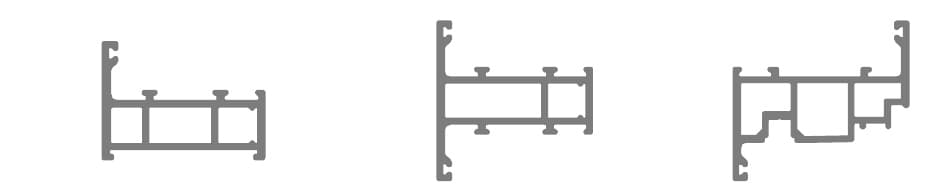
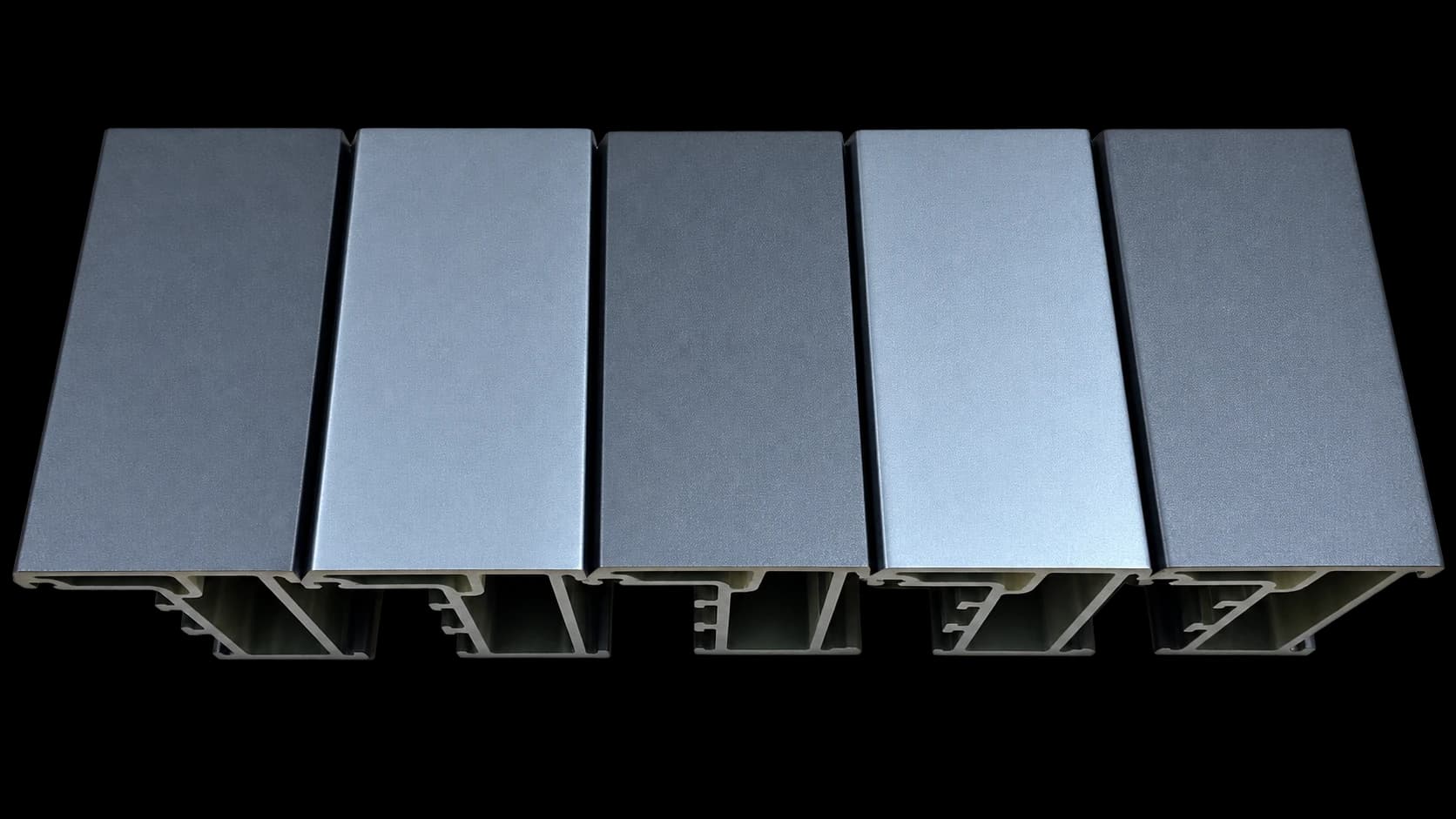
Lineals are the pultruded profile lengths used to make the window frame, sash, mullion and other constant-section components. A compatible set of lineals and accessories is cut, joined, glazed and fitted with hardware to form a finished window.
Which window and door systems are available for review?+
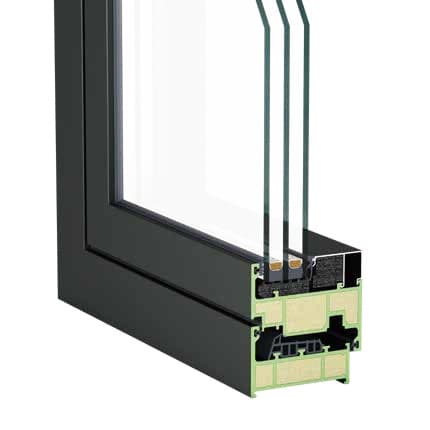
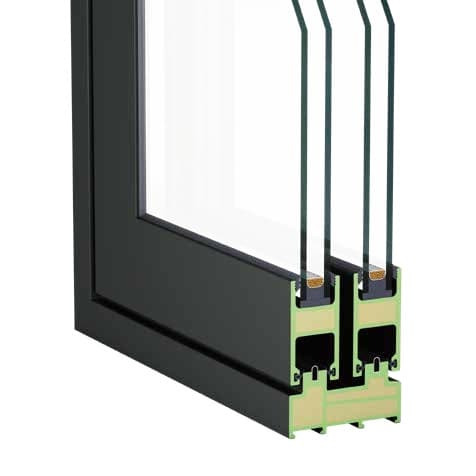
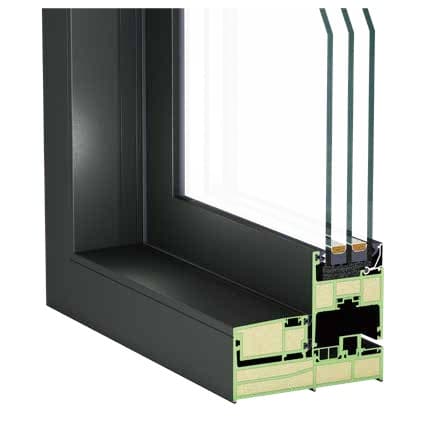
The catalog covers 50, 55, 60, 65, 70, 80 and 90 casement systems, a distinct 90 sliding system, and the 140 compression-seal sliding door. Review the current section drawings, opening configuration and supply availability before ordering.
Is the 140 series a lift-and-slide door?+
The current 140 range is a compression-seal (side-pressure) sliding door system, with section references CP006–CP011. The historical Intertek lift-sliding report retains its original specimen name. Its results do not automatically apply to the current compression-seal configuration.
Can the same U-value be used for every size and series?+
No. Uf describes the frame, Ug the glazing and Uw the whole window. Window size, frame, glass, spacer and assembly affect the result. The 90-series PHI certificate covers its stated configuration, not every unit assembled from FRP profiles.
What should I send if I do not have complete drawings?+
Start with your role, destination, intended opening or application and expected quantity if known. Choose technical selection, budget pricing or sample evaluation. We can clarify the section list or window schedule before a formal quote.
What determines price, minimum quantity and delivery timing?+
For profiles, review the section, lengths, material, finish, quantity, tooling and machining. For finished units, review each opening, glass and hardware configuration. Packing, transport, testing, sample fees, production quantity and lead time are confirmed for the order; a catalog listing is not a stock promise.
Who handles local installation and warranty?+
Agree installation information, local labor, unloading, spare parts and after-sales responsibilities in the supply scope. Warranty terms depend on the contracted product and configuration. Shipping complete units does not by itself include on-site installation.
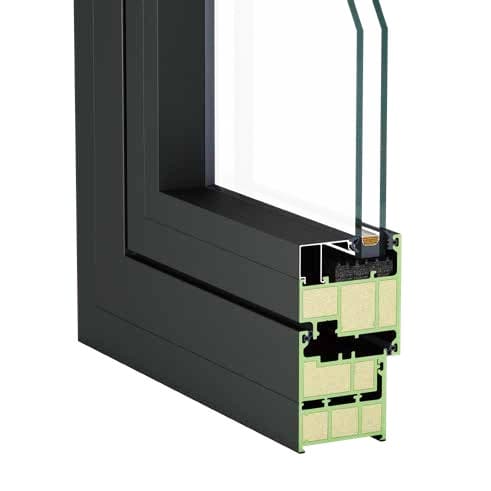
 50 mm frame depth