GFRP components for mining & tunneling
Underground projects use composites for different tasks, from ground reinforcement to corrosion-exposed access components. Define the support duty and approval requirements first, then prepare a separate specification for each component package.
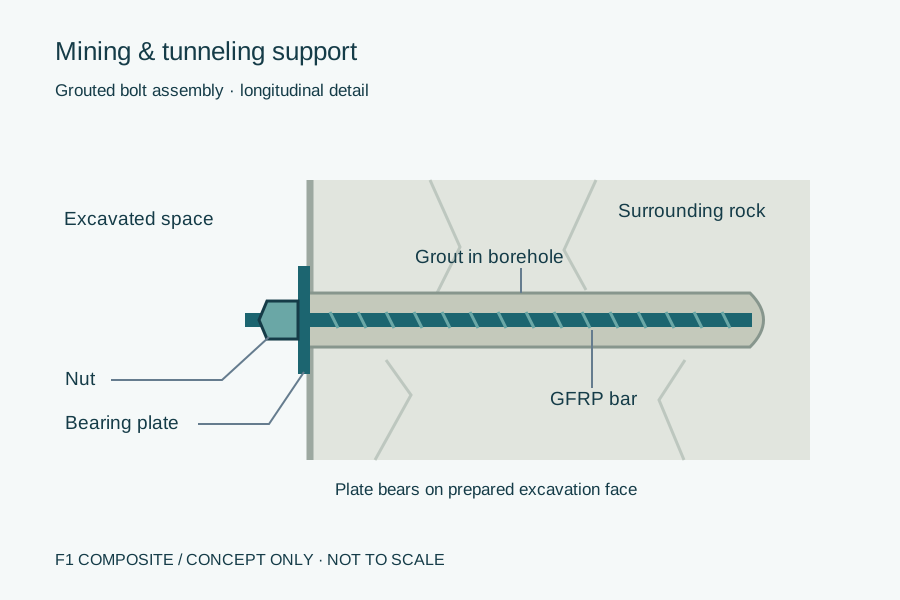
Where it fits and what we supply
Submit rock-bolt assemblies for a sourcing and qualification review. Access profiles, grating and cable-support components can be reviewed as separate packages. Ground-support design and site installation responsibilities must be assigned explicitly.
This page describes how the products are used; design and installation are included only where the quotation says so.
Products for this application
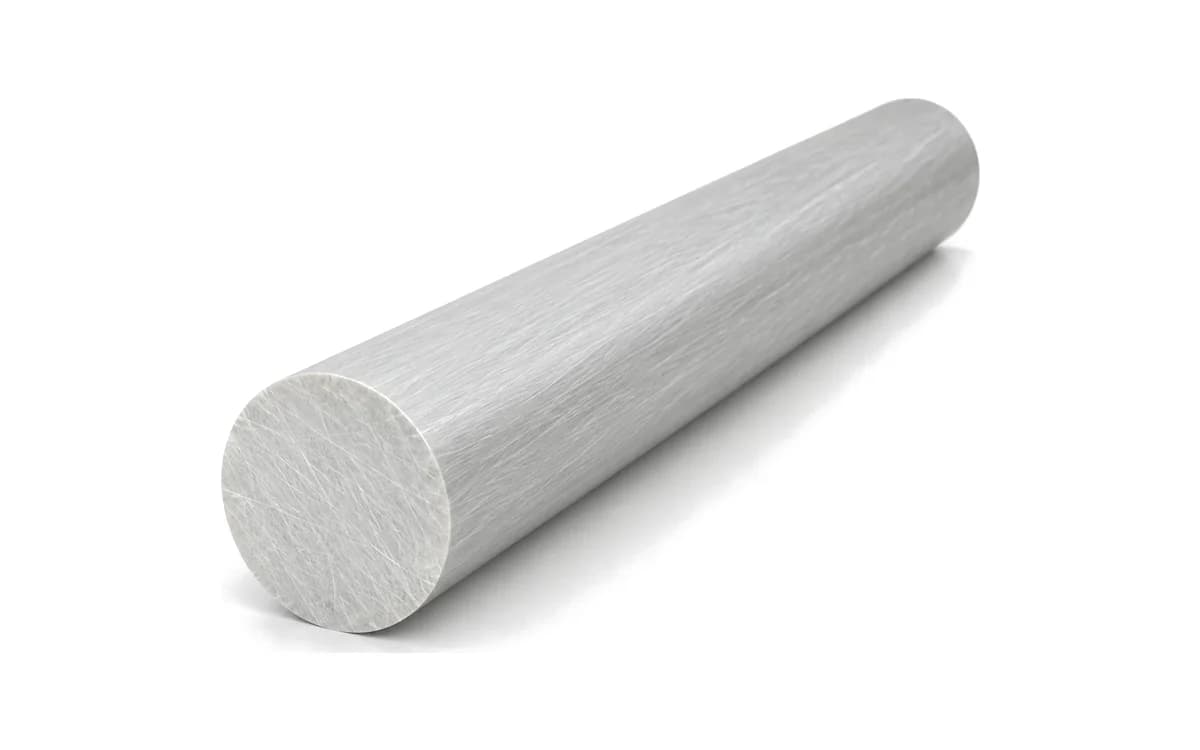
Recommended profiles and resin
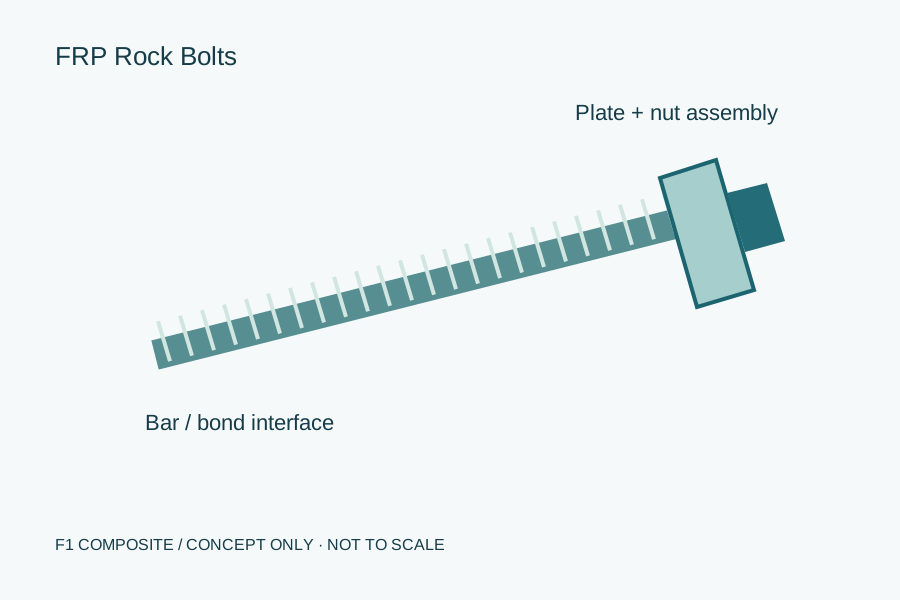
- 01GFRP rock-bolt assemblies with matching nuts and bearing plates, qualified as a system for the project
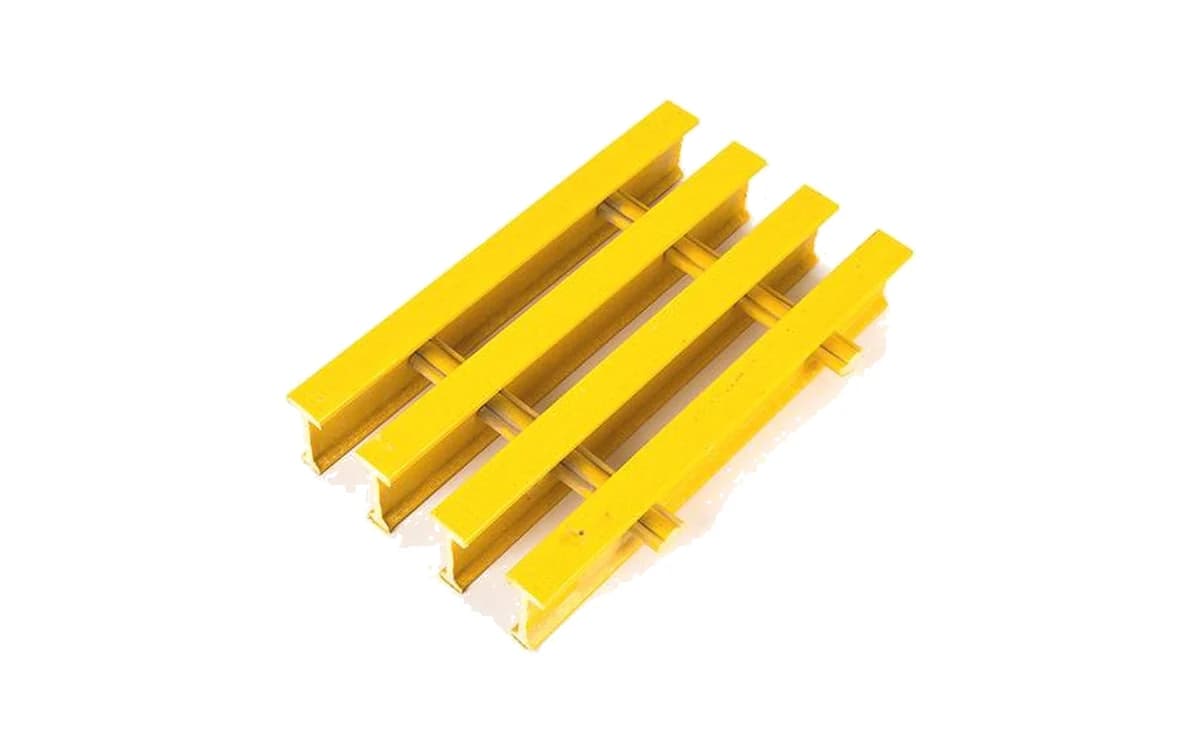
- 02Grating and support sections for agreed underground access areas
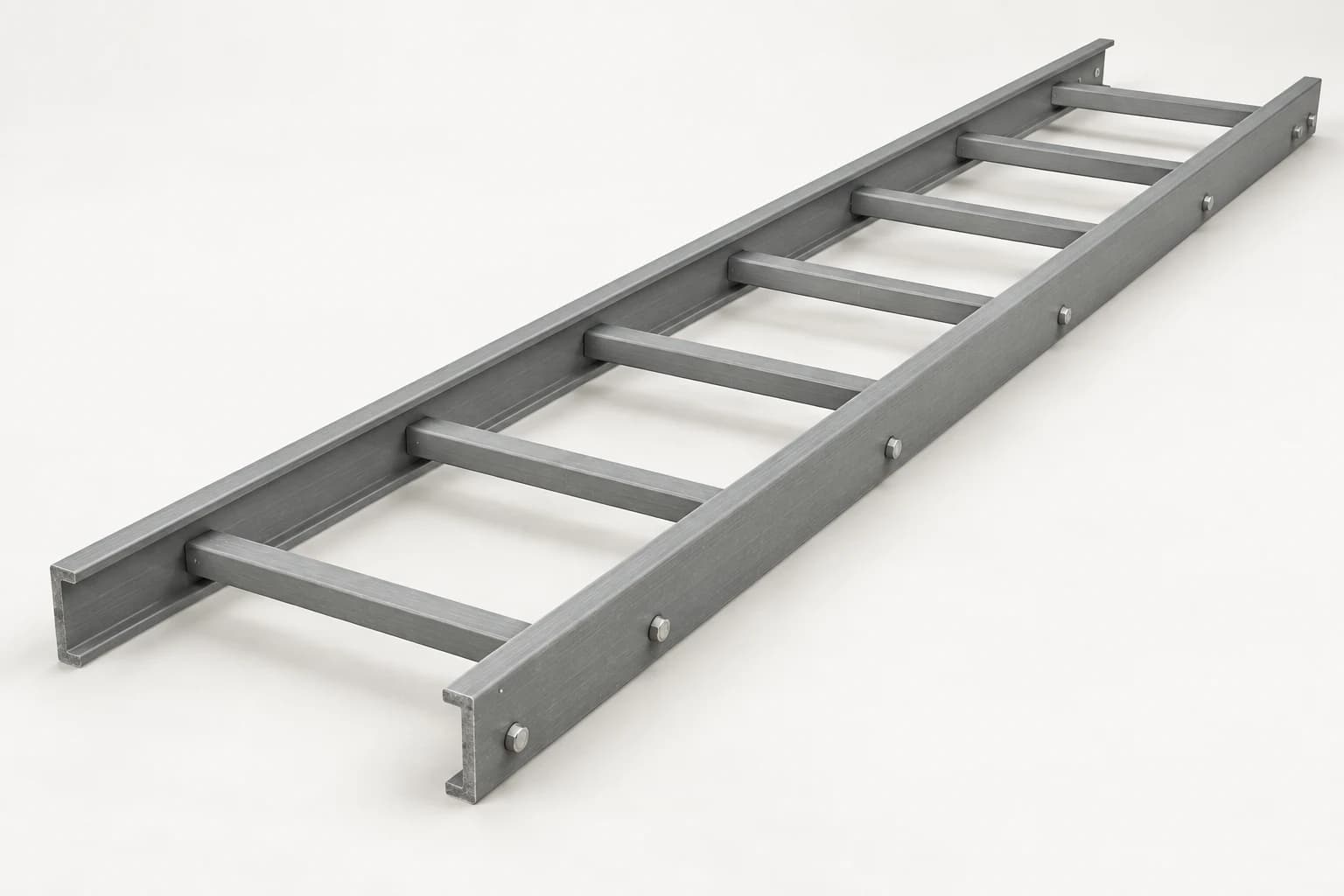
- 03Cable-support profiles with the required fire and environmental evidence
Resin
Identify groundwater chemistry, temperature and underground fire or smoke requirements. Antistatic performance, where required, must be supported for the offered material and assembly; ordinary GFRP is not automatically suitable.
Standards commonly referenced
- ASTM D7205/D7205M · bar tensile
- ASTM D7337/D7337M · creep rupture
- ISO 10406-1:2025 · FRP bar test methods
Specification and test references, not certifications of a product.
Design and specification checks
Check 1
Support design
The responsible designer sets the support pattern, loads, acceptable displacement and service duration. Qualify the bolt, plate, nut and grout interface together.
Check 2
Cut-through zones
Identify excavation sequences and the equipment that will encounter the reinforcement. Confirm cutting behavior and embedded hardware with the project team.
Check 3
Underground acceptance
State the owner’s fire, smoke, electrical, durability and site-test requirements. Separate temporary excavation support from permanent ground support.
Qualify the assembly before scheduling bulk supply
A bolt’s longitudinal tensile result describes only one possible limit. Nut engagement, plate bearing, grout bond and installation quality may govern the installed support. Define test methods and acceptance criteria for the full assembly.
Permanent support carries sustained load for its whole service life, so creep rupture must be covered. ASTM D7337/D7337M provides a test method for FRP bars; define the permitted sustained load from the ground-support design and qualification evidence. ACI 440.11 covers GFRP-reinforced concrete and does not establish an allowable load for a rock-bolt assembly.
Keep trial quantities and production release as separate milestones. Record the exact bar, accessories and installation materials used in qualification so a later substitution does not silently change the approved system.
Quote Mining & tunneling support
Send the inputs below with a drawing or sketch, and the destination. We reply within one business day; a formal quotation follows once the specification and delivery are reviewed.
- Tunnel or mine support specification and design duty
- Bolt assembly geometry and required loads
- Grout system and installation method
- Cut-through locations and machinery interface
- Fire, antistatic and other owner acceptance requirements