FRP fencing for utility & industrial boundaries
A boundary fence must fit the site’s access, loading and electrical requirements. Coordinate fiberglass posts, rails and infill with gate hardware and foundations to define a complete, reviewable fence package.
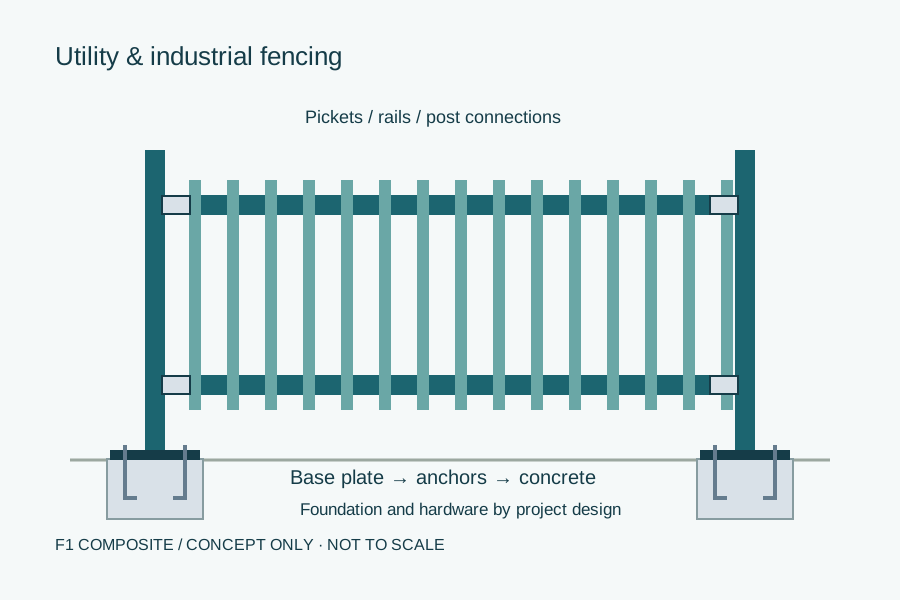
Where it fits and what we supply
Specify profile lengths, fabricated fence panels or an agreed component kit. Confirm gate hardware, anchors, foundations and installation as separate line items in the quotation.
This page describes how the products are used; design and installation are included only where the quotation says so.
Products for this application
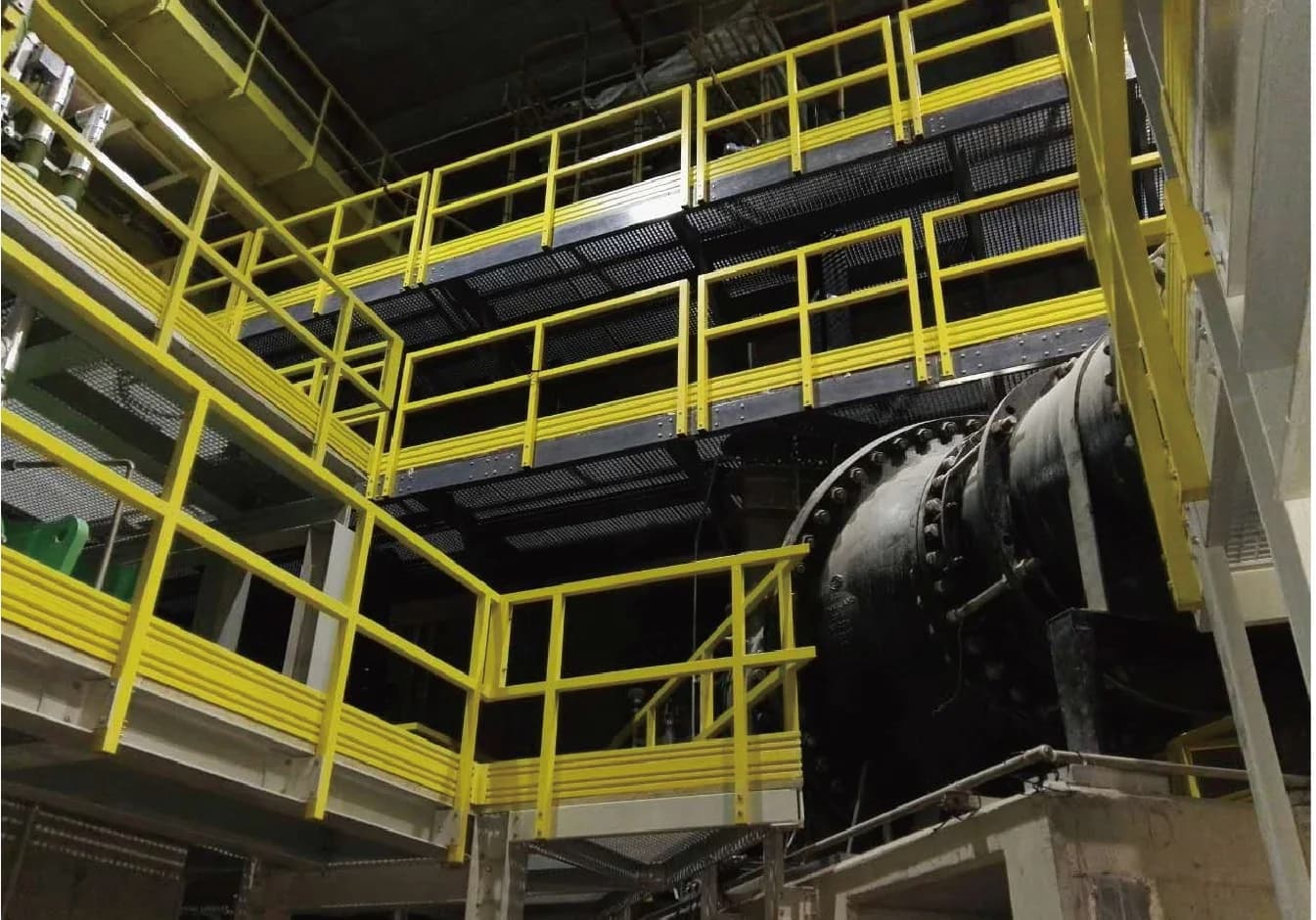
Recommended profiles and resin
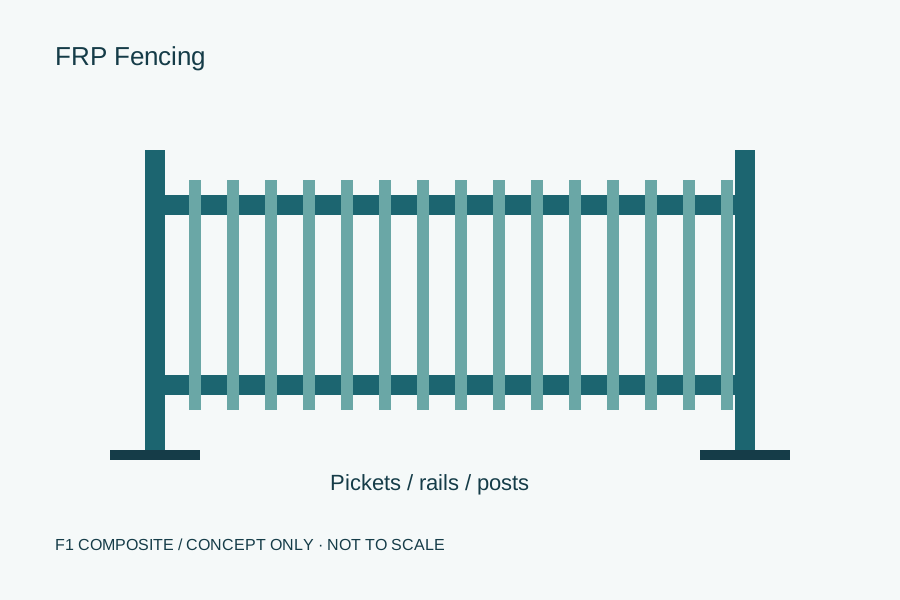
- 01Pultruded square tubes for posts and fence frames
- 02Pickets or grating infill selected for the opening and security requirements
- 03Rails and connection plates matched to the panel layout
Resin
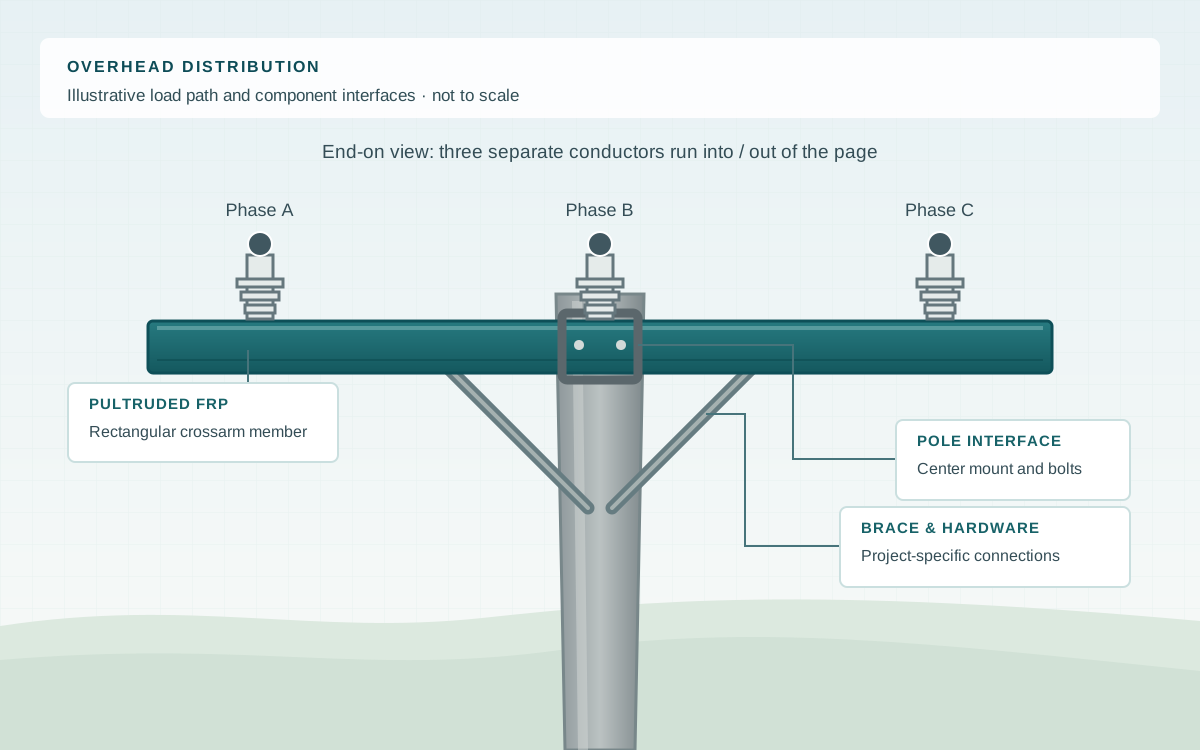
Match resin and surface protection to weather, UV, salt spray and process chemicals. Electrical performance belongs to the offered material and complete assembly, including hardware and surface condition.
Standards commonly referenced
- ASCE 7-22 Ch. 29 · wind on freestanding walls
- EN 1991-1-4 §7.4 · wind on fences
- IEC 61936-1 / EN 50522 · substation fences and earthing
- OSHA 1910.29 · guardrails
Specification and test references, not certifications of a product.
Design and specification checks
Check 1
Boundary geometry
Define height, terrain changes, infill openings and access gates. The utility owner sets clearances, security requirements and maintenance access.
Check 2
Posts and foundations
Check wind loading, post bending, rail deflection, gate reactions and anchorage. Provide foundation details or assign their design before fabrication.
Check 3
Electrical coordination
Identify metallic hardware and connections to surrounding equipment. Have the project electrical designer assess clearances, bonding and the complete fence arrangement.
Choose the infill before finalizing the posts
Pickets, grating and closed panels present different areas to the wind and create different visibility and access conditions. Finalize those requirements before choosing a post section or repeating a spacing from another site.
Gate leaves concentrate loads at hinges and posts. Include operating loads, latch alignment and the surrounding foundation in the review, with replacement and inspection access for moving parts.
Quote Utility & industrial fencing
Send the inputs below with a drawing or sketch, and the destination. We reply within one business day; a formal quotation follows once the specification and delivery are reviewed.
- Site boundary plan, levels and heights
- Panel type, aperture and post spacing
- Wind criteria and foundation interfaces
- Gate schedule and hardware materials
- Electrical and owner approval requirements