Fiberglass Mat & Surface Veil
Compare continuous filament mat, chopped strand mat and surface veil for your composite process. Define binder compatibility, handling and surface requirements.
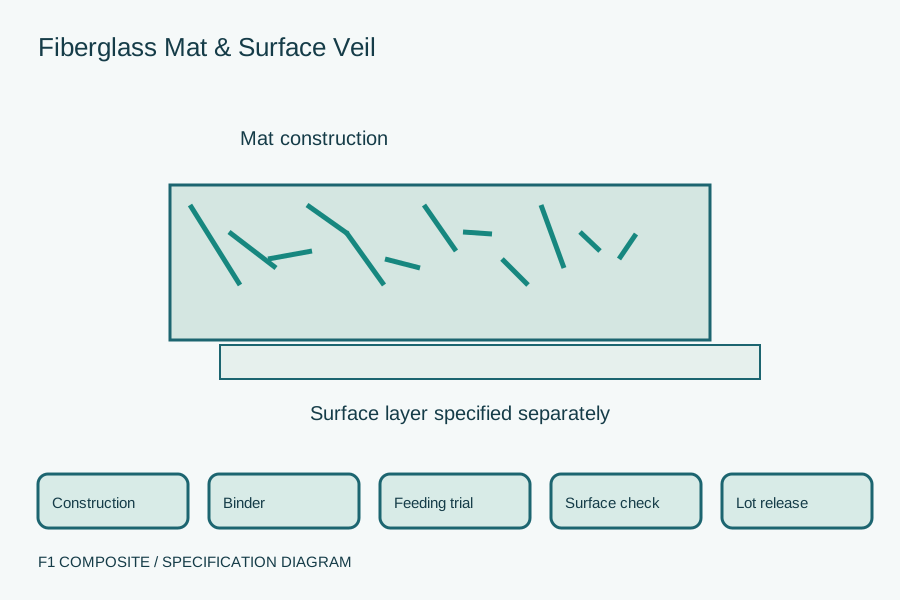
Define the proposed supply package
Equipment, tooling and material sourcing support forms part of F1 Know-How & Services. We review requirements within a technology-transfer, production-setup or improvement engagement.
Agree the exact equipment configuration or material grade, qualification documents, delivery and support responsibilities before ordering. Availability, pricing, lead time and warranty are confirmed for the proposed package.
What to specify and what to request
| Scope | Your specification | Requested supplier response |
|---|---|---|
| Continuous filament mat | Area weight, width, construction and handling strength | A grade proposed for the intended line and resin |
| Chopped strand mat | Strand construction, binder, area weight and forming duty | Confirmation that the binder and material suit the process |
| Surface veil | Fiber type, weight, width and desired surface function | A surface trial with the actual laminate and finish |
Mat, veil & preformer compatibility
| Module / stage | Define before procurement | Required output / record |
|---|---|---|
| Width and construction | Slit width, area weight, binder and surface-finish role. | Roll specification and incoming inspection criteria. |
| Forming sequence | Corners, overlaps, longitudinal feed and hollow-section transitions. | Trial evidence for feed stability and correct layer placement. |
| Laminate and surface | Named resin, cure route and accepted appearance. | Sample panel/profile approval and a controlled reinforcement schedule. |
Resolve acceptance before placing an order
CHECK 1
Match construction to the process
Mat that works in hand lay-up may not feed reliably through pultrusion preformers. Assess dry handling, tension, wet-out and dimensional stability on the proposed line.
CHECK 2
Treat the binder as part of the specification
Binder compatibility depends on the selected resin. Request a grade-specific recommendation and validate it; a generic label such as fiberglass mat is insufficient.
CHECK 3
Inspect appearance and laminate behavior
Specify the surface acceptance criteria alongside structural laminate requirements. A veil contributes to surface construction and does not replace the structural reinforcement schedule.
Purchasing questions
Can a surface veil replace a structural mat?
They serve different purposes in the laminate. Specify the surface layer and structural reinforcement separately and validate the complete construction.
Related sourcing specifications
Browse composite materials →Technology transfer & consulting →Profile resin selection →
Discuss Fiberglass Mat & Surface Veil
Share the specification and destination. The next step is to define the equipment or material support needed within your Know-How engagement.
Drawings and technical documents can follow after the initial contact.
- 1Mat or veil type and target area weight
- 2Roll width, slit widths and package limits
- 3Resin/binder compatibility requirements
- 4Surface and laminate acceptance criteria
- 5Trial-roll quantity, annual demand and destination