Material qualification & sourcing support
Material qualification and sourcing support within F1 Know-How & Services. Coordinate resins, cure systems, reinforcement, release agents and additives with your tooling and production process.
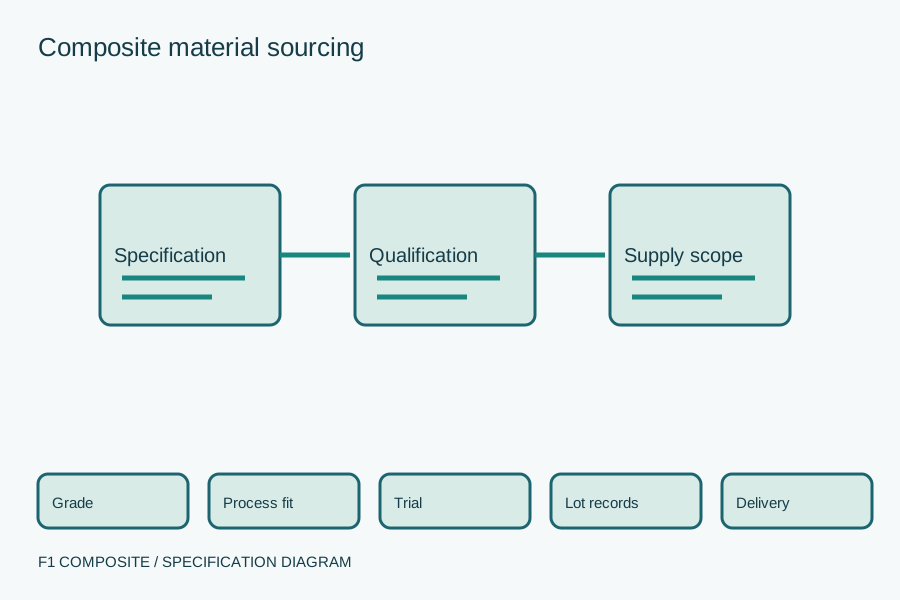
Material specifications 4 guides
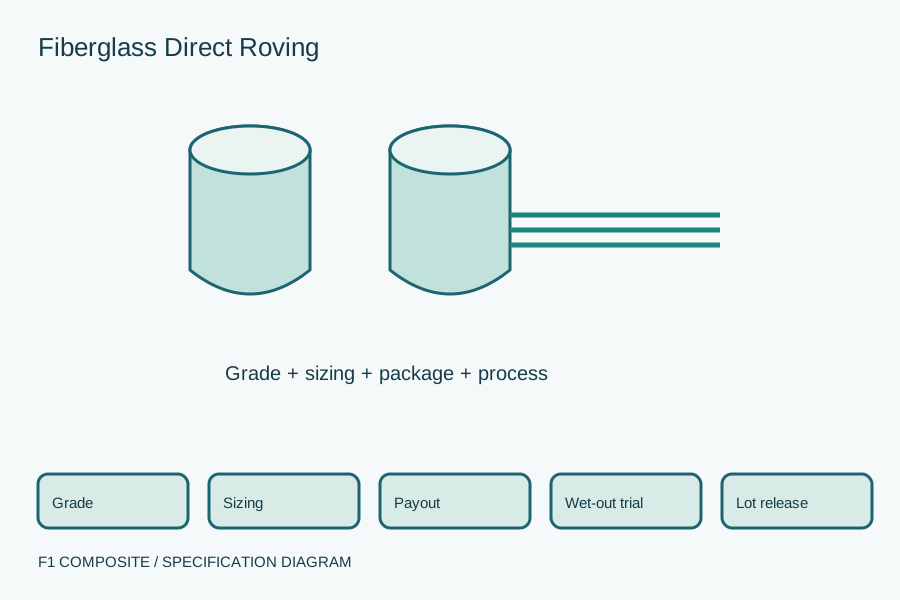
Fiberglass Direct Roving
Specify fiberglass direct roving by glass type, sizing, linear density and resin compatibility. Prepare a qualification and delivery request for your process.
Prepare a specification →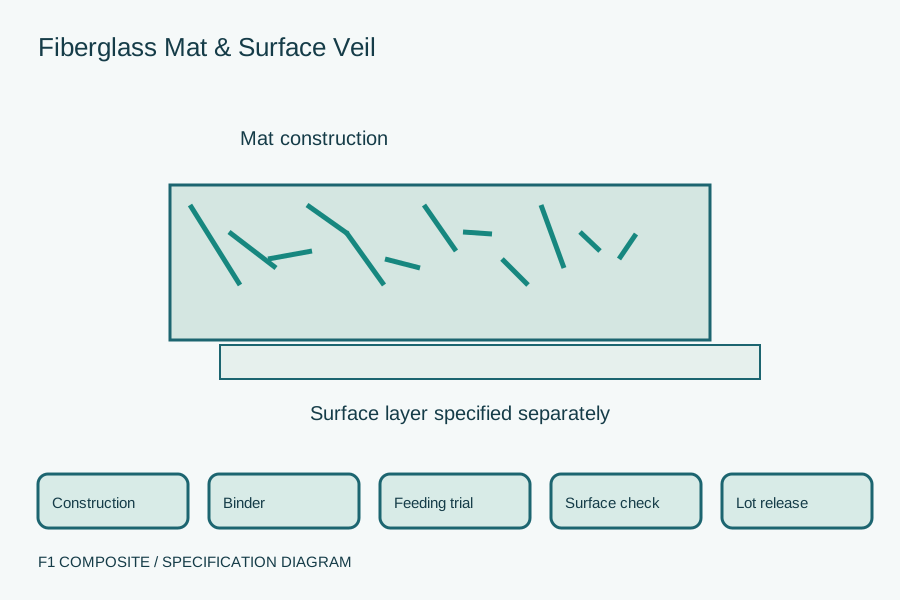
Fiberglass Mat & Surface Veil
Compare continuous filament mat, chopped strand mat and surface veil for your composite process. Define binder compatibility, handling and surface requirements.
Prepare a specification →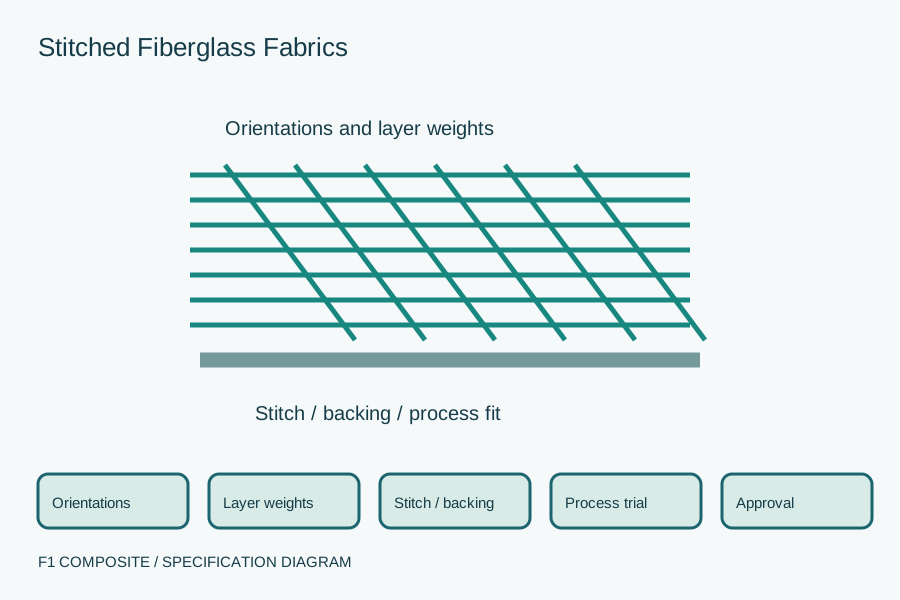
Stitched Fiberglass Fabrics
Specify stitched glass fabrics by fiber orientation, area weight, width and backing. Match the construction to your laminate and manufacturing process.
Prepare a specification →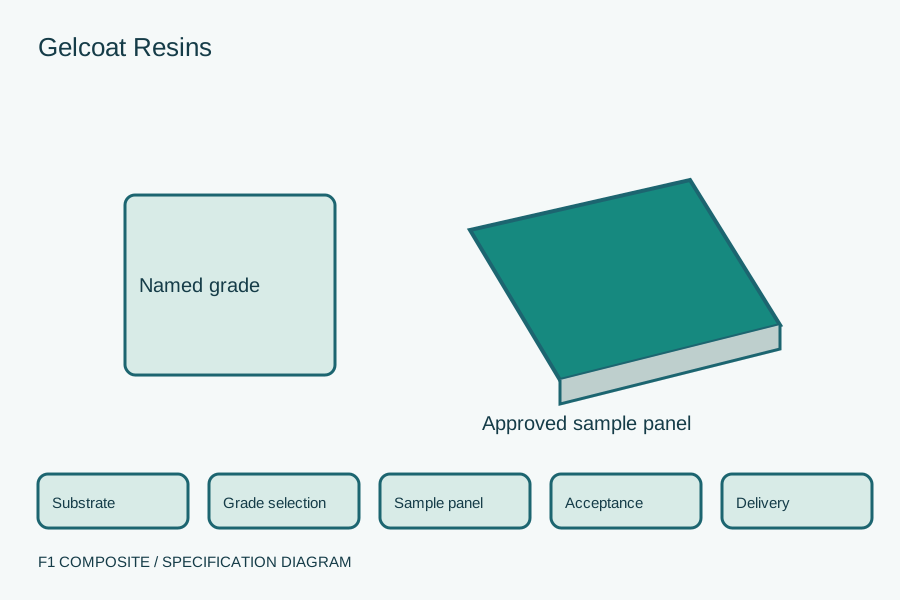
Gelcoat Resins
Prepare a gelcoat inquiry by application, substrate, finish and exposure. Review the proposed grade, processing documents, sample panels and delivery conditions.
Prepare a specification →
Resins, cure systems & process additives
| Module / stage | Define before procurement | Required output / record |
|---|---|---|
| Base resin | Polyester, vinyl ester, epoxy or polyurethane selected for process and service requirements. | Named grade, current technical/safety data and compatibility with the proposed impregnation route. |
| Cure or hardener package | Supplier-specified chemistry, ratio basis, handling and storage requirements. | Approved formulation and validation plan; no universal mixing ratio or cure recipe. |
| Release system | Internal or external release requirement and the tool/substrate surfaces involved. | Compatibility, surface/bonding implications and the supplier’s application guidance. |
| Fillers, pigments and functional additives | Required appearance or function, viscosity, settlement and pumping implications. | Approved additive package and trials in the dosing, forming and curing system. |
| Reinforcement and surface layers | Roving, mat, stitched fabric and veil matched to the resin and geometry. | Named grades, reinforcement schedule and incoming lot checks. |
From proposed materials to an approved bill of materials
| Module / stage | Define before procurement | Required output / record |
|---|---|---|
| Propose | Collect technical/safety documents, supplier grade IDs and batch information. | A candidate material list with open questions. |
| Trial | Evaluate storage/feed, wet-out, preforming, cure and product inspection. | A traceable trial record using named tooling and equipment settings. |
| Approve | Agree the accepted bill of materials, inspection criteria and purchasing specification. | Controlled BOM and sample/test references. |
| Maintain | Track incoming lots, shelf life, process changes and proposed substitutions. | Change-control and requalification responsibilities. |
From requirements to an agreed package
STEP 1
Grade & construction
Define fiber architecture, sizing or binder, resin compatibility and packaging.
STEP 2
Representative trial
Approve the proposed grade in the actual process and retain the acceptance record.
STEP 3
Lot & delivery control
Confirm lot documents, storage conditions, transport and how changes to an approved grade are handled.
Equipment & tooling support →Build a connected Know-How project brief →Buy finished FRP products →
Send your project brief
Share the material specification, resin and process, trial quantity and destination. F1 will review the requirements within the proposed Know-How engagement.