Product & tooling records
Approved drawings, tooling/fixture IDs, preformer and reinforcement routing diagrams, and controlled revisions.
Connect your product requirements to materials, dies, preforming, equipment, trials and operator handover. Build a defined support package for a new line, a new profile or an existing production process.

Resin, reinforcement, additives and an approved material list.
Review scope →Section tooling, alignment, pulling and inspection fixtures.
Review scope →Fiber routing, mat/veil forming and die-entry interfaces.
Review scope →Hydraulic, caterpillar, rebar, rock-bolt and mesh configurations.
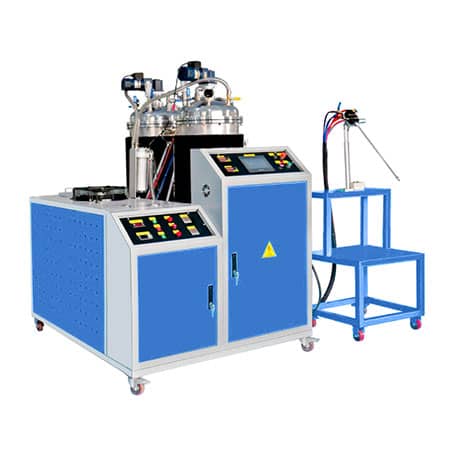
Review scope →Resin conditioning, dosing and the injection-box connection.
Review scope →Slitting, cut-off, coiling where qualified, drilling and packing.
Review scope →Trial planning, factory/site acceptance and product qualification.
Review scope →Documents, operator handover, maintenance and change control.
Review scope →A shared interface schedule connects the parties: the tool maker owns the approved tooling details, equipment suppliers confirm their machine interfaces, material suppliers identify approved grades, and the receiving factory confirms utilities and site readiness. F1’s coordination and engineering responsibilities are defined in the engagement.
Tier 1
Targeted advice for an existing operation or a new-market evaluation: recommendations you can act on, with no ongoing implementation commitment.
Deliverables
Tier 2
The complete knowledge package (die design, process recipes, quality systems and operator training) for independent production.
Deliverables
Tier 3
End-to-end delivery, from the business case through equipment installation to production ramp-up at target volumes.
Deliverables
Step 1 · Define the baseline
An evaluation of your situation, objectives and constraints. For a new operation: market analysis, product range and investment scoping. For an existing one: production audit, quality data review and equipment assessment. It ends with a documented scope and feasibility statement.
Step 2 · Fixed fee
A technical and commercial proposal with scope, deliverables, timeline, milestones and a fixed fee. Each work package has measurable completion criteria, and the proposal is reviewed with you in a working session before the contract.
Step 3 · Core delivery
On-site engineering, die design and procurement, recipe development and validation, operator training, commissioning and trial runs, with weekly progress reports against the milestones. All documents are delivered in editable formats.
Step 4 · Agreed support plan
Formal handover with the complete documentation, a production validation report and a defined support schedule, confirmed in a review meeting. The support period and escalation process are agreed for the receiving team.
Production background
Our engineers come from FengDu's production network: 5 manufacturing bases and 370 pultrusion lines.
Ownership
Drawing, recipe and procedure rights are defined before work starts, including any supplier licensing and confidentiality requirements.
Method
We explain why each parameter is set as it is, so your team can troubleshoot and improve the process on its own.
Leadership
Every engagement is led by a senior engineer with production-floor experience, from assessment to handover.
| Gate | What is reviewed | Release evidence |
|---|---|---|
| Design & scope release | Product drawing and test requirements; named material candidates; tooling/line interfaces; included modules and buyer responsibilities. | Approved scope, drawings and an acceptance plan with owners for every open item. |
| Factory acceptance (FAT) | The agreed machine configuration, controls, tooling and representative materials; dimensional and process checks during a defined trial. | Trial report, sampled parts, equipment checks and a deviation/correction record. |
| Site acceptance (SAT) | Installed utilities, alignment, connections, site controls and operation with the nominated local team. | Installation checks, site trial results, training records and signed acceptance or an agreed punch list. |
| Product qualification | Finished-profile or component requirements, including the project’s mechanical, durability, electrical or other tests. | Results for the exact material/section/process. Equipment acceptance alone does not qualify the finished product. |
Approved drawings, tooling/fixture IDs, preformer and reinforcement routing diagrams, and controlled revisions.
Approved material BOM, supplier grade documents, validated trial records and an agreed process-control plan.
Supplier manuals, utilities/interface drawings, control access agreed in contract, wear/spare parts and maintenance tasks.
Operator competency checks, troubleshooting escalation, support contacts, warranty boundaries and response arrangements.
Incoming inspection, first-piece/patrol checks, test records, sample retention and review of material/tool/process substitutions.
Drawing and recipe rights, licensing or confidentiality conditions, open items and the party responsible for each deliverable.
Aftercare follows the agreed scope: identify a defect or production change, collect the batch/tool/process records, review the cause, validate the corrective action and update the controlled documents.
The agreed scope can connect product development, material qualification, dies and preforming, equipment selection, injection, fabrication, trials and operator handover. The proposal names deliverables and responsibilities for F1, the suppliers and the receiving factory.
Yes, start with an interface and capability review. Share the current line, tool drawings, material grades and quality records. The project can focus on an upgrade, a new section or local material qualification instead of a new line.
The proposal sets milestones around design release, procurement, trials and site readiness. Support duration, on-site work, spare parts and equipment warranties are stated by responsible party; they depend on the purchased scope.
Ownership, permitted use, confidentiality and any supplier licensing are agreed before design and procurement. The handover list identifies the editable records and operating documents included in the engagement.
No. Factory and site acceptance establish that the agreed equipment package performs as specified. Product qualification uses the exact profile, material and process against the project’s test requirements.
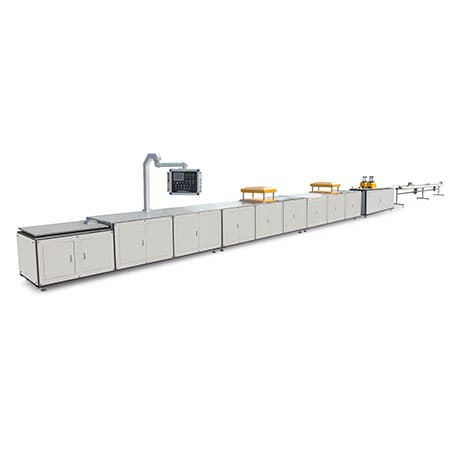
Profile, rebar and mesh lines; dies, mandrels, preformers, fixtures and resin injection. Define the modules, interfaces and acceptance plan.
Browse equipment specifications →Resins, cure systems, roving, mats, veils, fabrics, release agents and additives. Qualify the complete material package with the tooling and process.
Browse material specifications →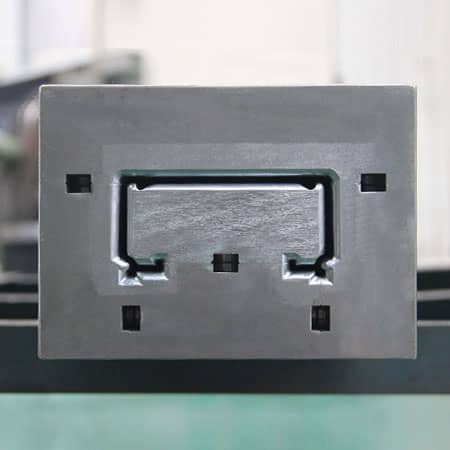
Loading project brief…
Send the dimensions, quantity, service conditions and destination. We reply within one business day.