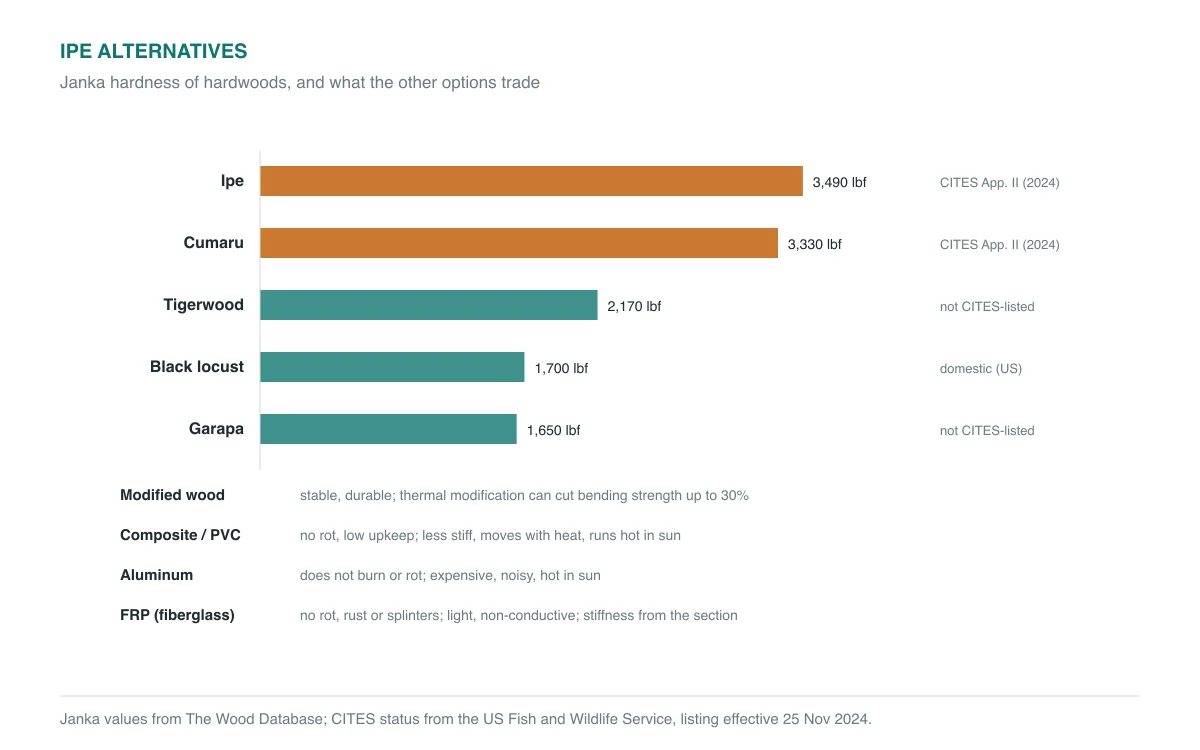
Ipe has been the benchmark for premium decking and boardwalks for decades: extremely hard, naturally durable and handsome as it weathers. It is also heavy, slow to work, increasingly expensive and, since November 2024, under international trade controls. This guide compares the realistic alternatives.
Why people look for ipe alternatives
- Trade controls. Ipe (Handroanthus, Roseodendron and Tabebuia) was listed in CITES Appendix II with effect from 25 November 2024, covering logs, sawn wood, veneer and plywood. Cumaru (Dipteryx) was listed on the same terms. International shipments now need CITES documents, and US imports need a Lacey Act declaration.
- Legality concerns. A Greenpeace review of logging authorizations in Pará, Brazil, found that most reported ipe volumes well above what the forests could naturally hold, a sign of laundered timber.
- Weight and workability. Ipe weighs about 1,050 kg/m³ (65 lb/ft³) and is hard to cut; boards need pre-drilling.
- Cost. Supply pressure and the new listing push prices up.
Ipe in numbers
| Property | Ipe |
|---|---|
| Janka hardness | About 3,500 lbf (sources range up to about 3,680) |
| Density | About 1,050 kg/m³ |
| Elastic modulus | About 3.1 million psi |
| Durability | Very durable outdoors; susceptible to marine borers |
| Fire | Some lots tested Class A (ASTM E84); product-specific |
The alternatives compared
| Alternative | What it is | Strengths | Trade-offs |
|---|---|---|---|
| Cumaru | Tropical hardwood | About 3,330 lbf Janka, very durable | Same CITES Appendix II listing as ipe |
| Garapa | Tropical hardwood | About 1,650 lbf Janka, durable, not CITES-listed | Softer; susceptible to termites |
| Tigerwood (goncalo alves) | Tropical hardwood | About 2,170 lbf Janka, very durable, not CITES-listed | Strong grain figure divides opinion |
| Black locust | North American hardwood | About 1,700 lbf Janka, very durable, domestic in the US | Limited lengths; invasive in some regions |
| Thermally modified wood | Wood heated above about 180 °C without oxygen | Much lower shrink and swell, improved durability | Bending strength can fall by up to 30% |
| Acetylated wood | Chemically modified softwood, usually radiata pine | High durability class, stable | Premium price |
| Wood-plastic composite | Wood fiber and plastic | Does not rot, low maintenance | Less stiff, moves with temperature, runs hot in sun |
| PVC (cellular or capped) | All-polymer boards | Moisture and fade resistant | Higher cost; can be slippery wet |
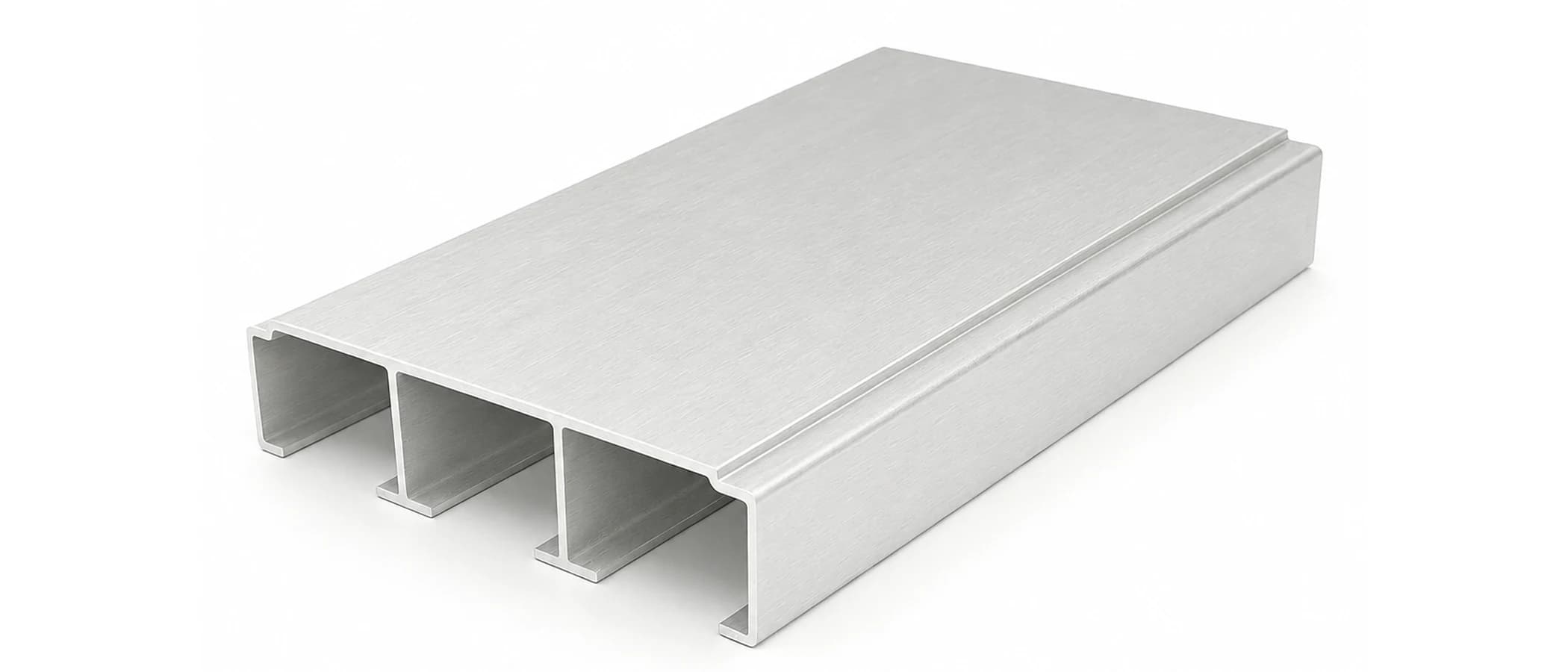
| Aluminum | Extruded planks | Does not burn, rot or attract insects | Expensive, noisy, hot in sun |
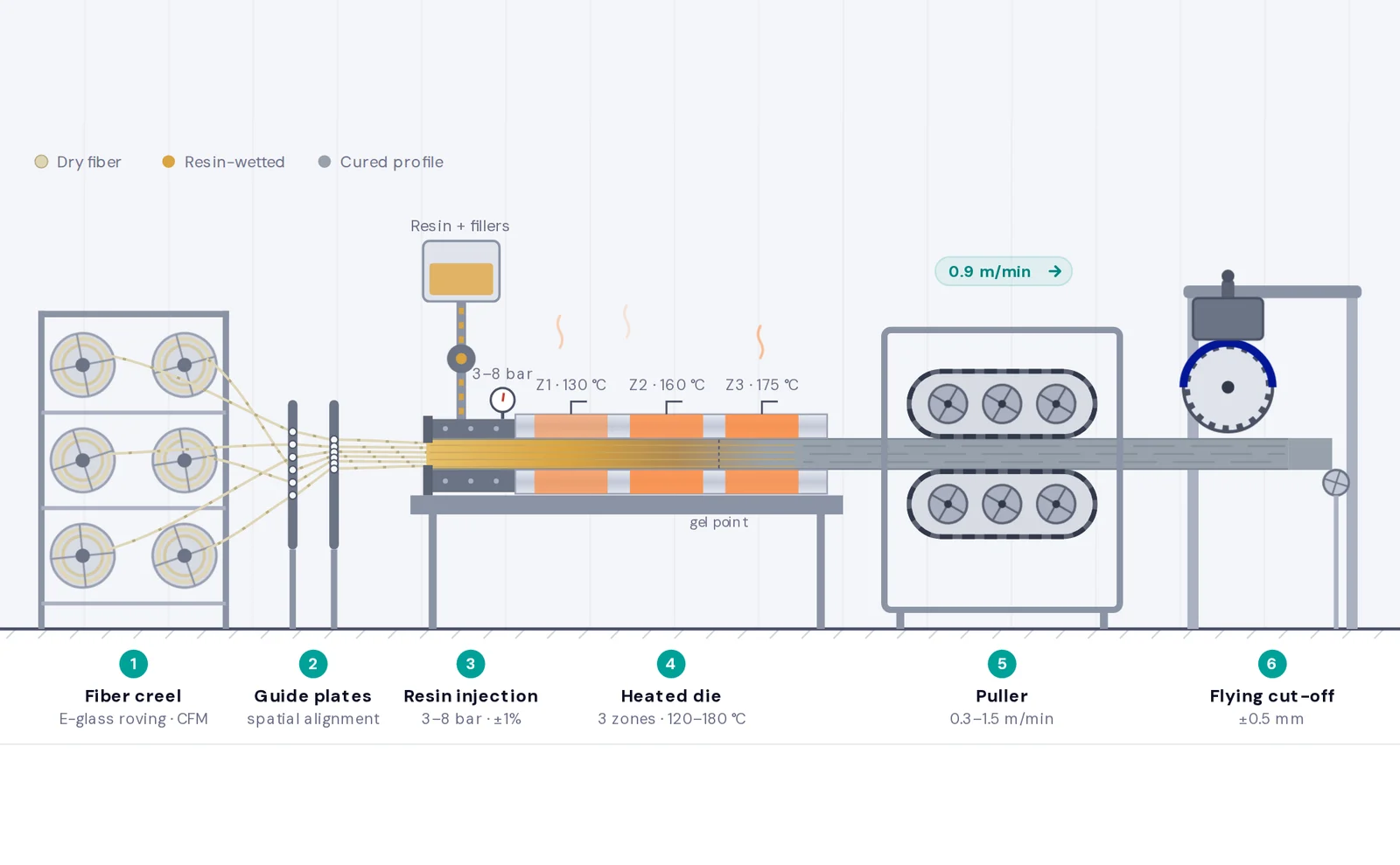
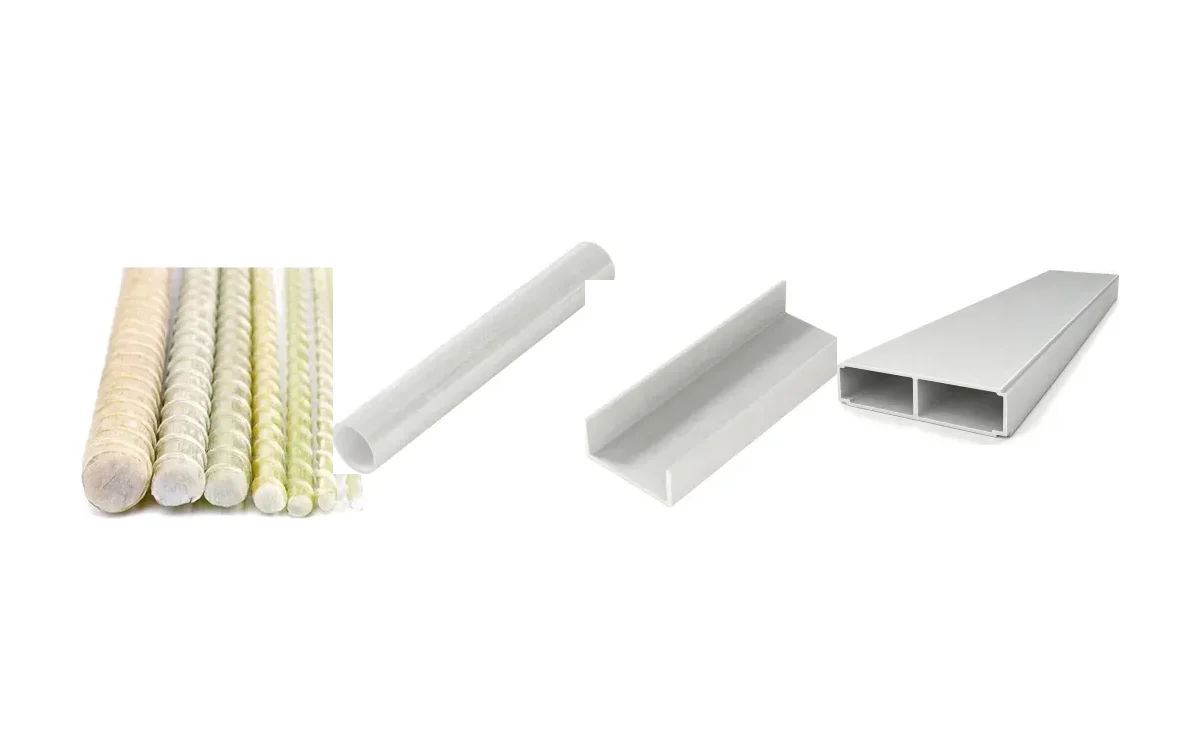
| FRP (fiberglass) | Pultruded planks, deck panels or grating | No rot, rust or splinters; light; non-conductive | Lower material stiffness than ipe; industrial look |
Janka values are from The Wood Database. Composite and PVC notes follow general buying guides; check the maker's data for the product you choose.
Where fiberglass decking fits
Fiberglass is not a like-for-like visual substitute for a hardwood deck. It is the alternative when the deck lives in water, salt air or chemicals, or when weight matters:
- Boardwalks and trails over wetlands, where wood rots and steel corrodes.
- Marinas, piers and floating docks, where salt water attacks steel fixings and timber.
- Commercial and industrial decks, such as cooling towers, wastewater walkways and rooftop plant areas.
- Pool surrounds and splash zones, where a gritted, slip-resistant surface helps.
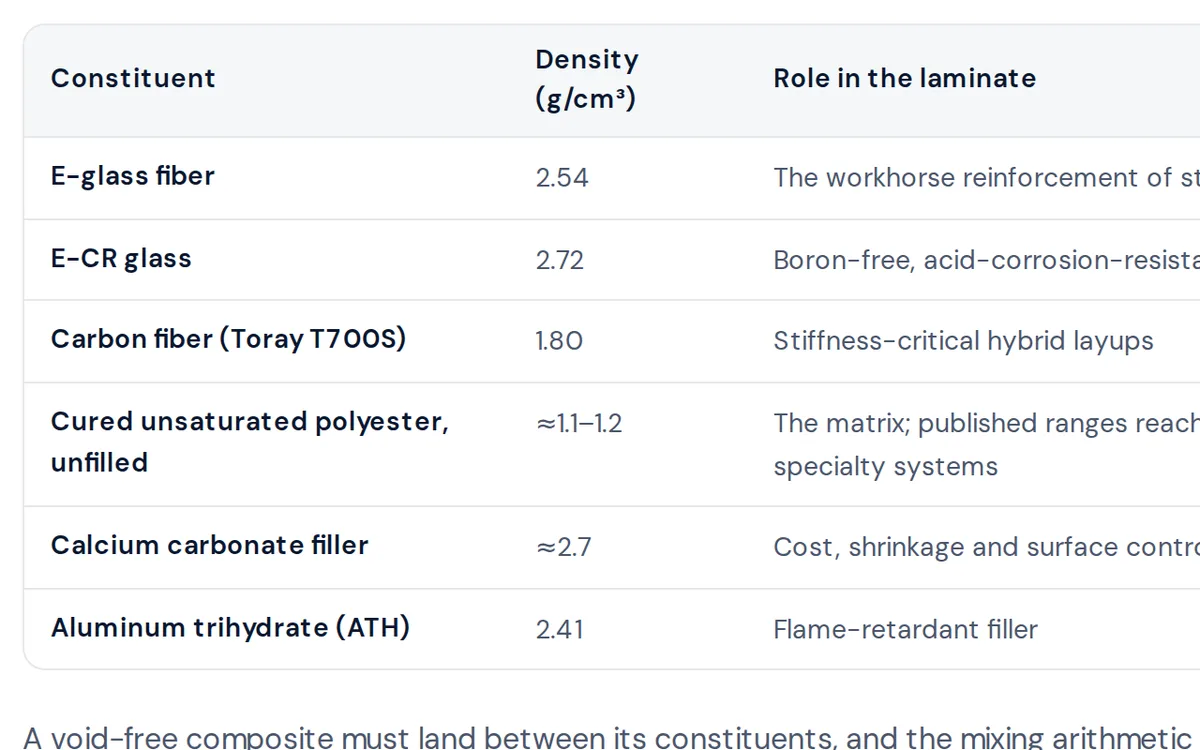
Glass FRP laminate is less stiff than ipe: a pultruded laminate is roughly 1.9 million psi against about 3.1 million psi for ipe. FRP decks reach their stiffness through the cross-section: hollow multi-cell planks and deck panels, or deep grating bars. Span tables for the chosen section, not the material alone, set the joist spacing.
Explore structural FRP deck panels and pultruded FRP grating for boardwalk and walkway decks.
How to choose
- Start with exposure. Fresh water and garden use: hardwoods, modified wood or composite. Salt water, chemicals or constant wet: FRP or aluminum.
- Check the trade status. For ipe and cumaru, confirm CITES and Lacey Act paperwork before ordering.
- Match the span. Compare deck boards at the same joist spacing and load.
- Look at heat and slip. Dark synthetic boards run hot in sun; wet PVC and smooth surfaces can be slippery.
- Price the whole life. Include fixings, finishing, maintenance and replacement, not just the board.
Ipe alternative questions
Is ipe still legal to buy?
Yes, but since 25 November 2024 the ipe genera (Handroanthus, Roseodendron, Tabebuia) are listed in CITES Appendix II, so international shipments need CITES documents. US imports also need a Lacey Act declaration naming the species.
What is the hardest alternative to ipe?
Cumaru, at about 3,330 lbf Janka against about 3,500 for ipe. It is listed under CITES Appendix II on the same terms, so it does not avoid the trade controls.
Is ipe fire rated Class A?
Some ipe lots have tested Class A under ASTM E84, but the result belongs to the tested product; others are accepted as Class B. Ask for the test report for the material you buy.
Why use fiberglass decking instead of ipe?
FRP planks and grating do not rot, rust or splinter, resist salt water and many chemicals, are light to handle and are non-conductive. They are used for boardwalks, marinas, piers and commercial decks. Ipe wood is stiffer than the FRP laminate, so FRP decks get their stiffness from the section shape.
Do composite deck boards get hotter than wood?
Generally yes in full sun, and darker colors run hotter. Retailer tests have recorded composite boards over 140 °F where hardwood stayed around 120 °F; independent data are limited.